
A step shaft is not a complicated part at first glance. It is just a shaft with different diameters. But once it is installed in a machine, small machining errors become very real. A bearing may not sit properly. A shoulder may not hold the part in the right position. A rough surface may cause noise or early wear.
That is why buyers usually do more than ask “what is a step shaft.” They also want to know how it is made, which areas need tighter control, and what kind of supplier can make the part from a drawing without creating trouble during assembly.
Ruizheng works on custom high-precision shaft parts and non-standard mechanical components for machine tools, industrial equipment, automation systems, robotic parts, motors, compressors, and related machinery. For step shaft projects, the work may include drawing review, CNC turning, milling, grinding, heat treatment coordination, surface treatment, and inspection before shipment.
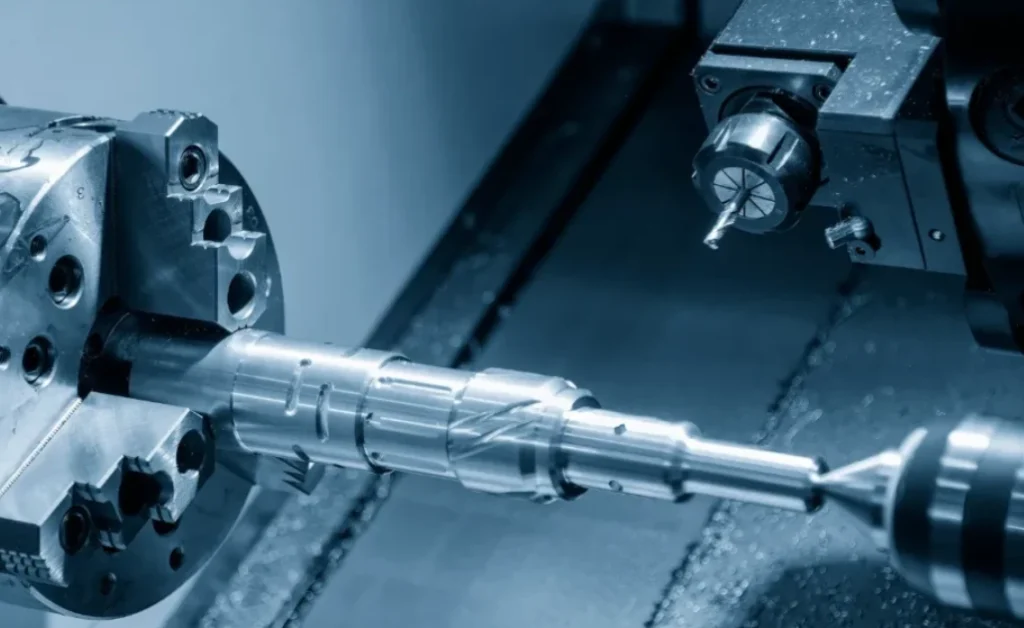
What Is a Step Shaft in Manufacturing
A step shaft is a shaft with two or more different diameters along its length. These diameter changes form steps. Each step is usually designed for a specific assembly purpose, not just for appearance.
What does each step do
A step may support a bearing, locate a gear, hold a pulley, connect a coupling, leave space for a seal, or provide a threaded locking section. Some shafts also include keyways, grooves, flats, or cross holes.
For the buyer, the point is simple. The shaft helps other parts stay where they should be. If the steps are correct, assembly is easier. If the steps are wrong, the whole machine may need adjustment.
Why not use a straight shaft
A straight shaft works for simple rotation. Many machines need more than that. One area may need a bearing fit. Another area may need a gear seat. One end may need a thread. A step shaft puts these functions on one part.
This makes the structure cleaner. It can also reduce extra spacers and loose positioning parts. For equipment with rotation, load, and repeated movement, that matters.
Why Step Shaft Quality Matters to Buyers
Step shaft quality is not about surface appearance only. Most problems come from the functional areas: bearing seats, shoulders, threads, keyways, ground diameters, and sealing surfaces.
Poor machining creates hidden costs
A bad step shaft may still look usable in a photo. The problem often appears later, during assembly or testing.
Common issues include:
- Bearing seats too loose or too tight
- Shoulder position errors
- Obvious runout during rotation
- Rough sealing surfaces
- Keyways or threads out of position
- Deformation after heat treatment
- Extra adjustment before installation
- Rework before the part can be used
For overseas buyers, these problems are not small. One wrong batch can delay assembly, increase shipping cost, and take engineers away from other work.
Which details affect assembly reliability
Not every surface needs the same control. A bearing seat usually matters more than a non-contact outer diameter. A shoulder used for positioning matters more than a simple transition area.
The areas worth checking first are:
- Bearing seats
- Shoulder faces
- Ground diameters
- Threaded ends
- Keyways
- Seal contact areas
- Hole positions
- Surface treatment areas
In many machines, the step shaft affects bearing alignment, rotating stability, and future maintenance.
How Is a Step Shaft Made
Step shaft manufacturing should follow the drawing, material, tolerance, heat treatment, and inspection requirements. A simple low-load part may only need turning and basic finishing. A shaft for high-speed or high-load use often needs more careful grinding and inspection.
Drawing review and process planning
The process starts with the drawing. The supplier should check diameter steps, tolerances, bearing positions, shoulder faces, keyways, threads, surface finish, heat treatment, and surface treatment notes.
For a custom step shaft, drawing review should also separate critical areas from non-critical areas. Some diameters may only need turning. Bearing seats or sealing areas may need grinding after heat treatment.
Ruizheng’s Custom step shaft Processing is suitable for buyers who already have 2D or 3D drawings and need a part made for a specific machine structure.
Material selection
Material should match the working condition. A shaft for heavy load may need better strength and wear resistance. A shaft used in a wet or corrosive area may need corrosion-resistant material or surface treatment. A high-speed shaft needs stable machining and finishing.
Choosing material only by price can create problems later. The material should match torque, speed, bearing fit, working environment, and expected service life.
CNC turning
CNC turning forms the main stepped shape. It cuts the different diameters, shoulders, grooves, and basic end features.
Good turning control keeps each stepped diameter closer to the drawing. That helps bearings, gears, spacers, and locking parts fit with less adjustment during batch assembly.
Milling, drilling, threading, and keyway machining
Many step shafts need secondary machining after turning. This may include keyways, flats, cross holes, threaded ends, slots, or positioning grooves.
These features are small, but they affect use directly. A keyway in the wrong position affects torque transfer. A rough thread slows assembly. A misplaced hole can make fastening difficult.
Heat treatment
Some step shafts need heat treatment for hardness, wear resistance, or fatigue performance. This is common in heavy-load equipment, repeated-motion parts, or areas with frequent contact.
The point is not to make every shaft as hard as possible. Material, diameter, tolerance, grinding allowance, and actual use all need to match. If heat treatment changes the shape, critical areas may need finishing again.
Precision grinding
Precision grinding is often used on bearing seats, sealing areas, high-speed rotating surfaces, and other critical diameters. It improves size control and surface quality after turning and heat treatment.
For buyers, this is one of the areas worth checking carefully. A ground bearing seat can improve fit stability. A smoother sealing area can reduce wear and help the shaft run more steadily.
Ruizheng’s services cover CNC turning, milling, grinding, drilling, and related processing support. This helps when one step shaft needs several machining steps under one production plan.
Surface treatment and final inspection
Surface treatment may be used for corrosion resistance, wear resistance, appearance, or assembly needs. The choice should follow the drawing and working environment.
Before shipment, inspection should focus on the areas that affect assembly. Diameter errors, poor threads, shoulder position problems, rough surfaces, and visible defects should be found before the parts reach the buyer.
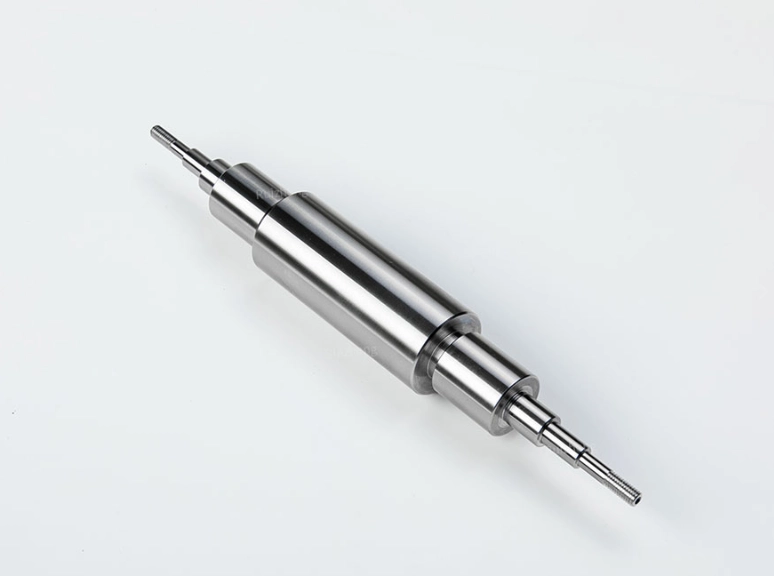
Common Types of Step Shafts and How to Choose
The step shaft type should follow the assembly function. A shaft for bearing support is different from a shaft for torque transfer or axial locking.
| Project requirement | More suitable step shaft design | What buyers should check |
| Bearing positioning | Ground bearing seat step shaft | Diameter tolerance, surface finish, runout |
| Gear or pulley mounting | Keyway step shaft | Keyway width, depth, position, torque direction |
| Compact locked assembly | Threaded step shaft | Thread length, end strength, locking method |
| High-speed rotation | Precision ground step shaft | Concentricity, balance condition, grinding quality |
| Heavy-load equipment | Heat-treated step shaft | Material, hardness requirement, deformation control |
| Non-standard equipment | Drawing-based custom step shaft | Drawing review, sample testing, inspection method |
This table is mainly for early supplier communication. It helps buyers explain what the shaft needs to do, instead of only sending a drawing and asking for a price.
How Should Buyers Choose a Step Shaft Manufacturer
A step shaft supplier should be judged by process control, not only by unit price. A cheaper part is not cheaper if it needs rework before assembly.
Check machining capability
Buyers should check whether the supplier can handle turning, milling, drilling, grinding, heat treatment coordination, surface treatment, and inspection. If too many processes are separated without clear control, tolerance matching can become difficult.
Ruizheng’s services are useful for buyers who want one supplier to coordinate several machining steps for custom shaft parts.
Check fit-related details
Before placing an order, buyers should review:
- Bearing seat tolerance
- Shoulder perpendicularity
- Surface roughness
- Runout requirement
- Keyway or thread position
- Heat treatment requirement
- Surface treatment area
- Inspection method
These points affect assembly more than general appearance. If the shaft rotates at speed or carries load, they should be confirmed early.
What should buyers confirm before sending a step shaft drawing
Before sending a drawing, buyers should mark which areas are functional and which areas are less critical. This helps the supplier control the right surfaces.
A practical drawing package should include:
- 2D drawing with tolerance notes
- 3D model if available
- Material requirement
- Heat treatment requirement
- Surface finish or grinding area
- Quantity and sample needs
- Assembly parts such as bearings, gears, seals, or couplings
- Working condition such as speed, load, temperature, or corrosion risk
- Clear information at the start saves many emails later.
Start with samples if the project is new
For new equipment or a revised design, sample production is usually safer than moving directly to batch production. A sample lets engineers test bearing fit, assembly sequence, and working clearance first.
For custom shaft projects, Ruizheng’s Custom step shaft Processing can support buyers who need step shafts made from drawings, especially when the part must match a specific machine instead of a standard size.
Why Ruizheng Fits Custom Step Shaft Projects
Ruizheng is a good fit for buyers who need more than a simple machined rod. Many step shaft projects involve material choice, turning accuracy, grinding quality, heat treatment planning, feature machining, and final inspection.
For equipment manufacturers, repair suppliers, and engineering teams, the main value is fewer drawing-to-production problems. These may include loose bearing fits, mismatched shoulders, delayed surface treatment, or parts that need rework before assembly.
A custom step shaft is worth choosing when the part must control bearing position, transmit torque, support high-speed rotation, or fit several components on one shaft. If the shaft is only used in a simple low-load structure, basic turning may be enough. If it works with bearings, seals, gears, couplings, or repeated load, buyers should pay more attention to grinding, runout, shoulder accuracy, heat treatment, and final inspection.
Project Support and Next Step
If your step shaft has tight bearing fits, special shoulders, keyways, threads, heat treatment, or grinding requirements, prepare the drawing, material request, quantity, and working condition before supplier communication. Ruizheng can review custom shaft requirements and match the process to the application. For drawings, technical details, or project discussion, use the contact page to send the required information.
FAQ
Q: What is the main purpose of a step shaft?
A: A step shaft places different mechanical parts on one rotating shaft with better positioning. The stepped diameters can support bearings, gears, pulleys, seals, threads, or locking parts.
Q: Is grinding necessary for every step shaft?
A: No. Simple step shafts may only need CNC turning and basic finishing. Grinding is more useful for bearing seats, sealing surfaces, or high-speed rotating sections that need tighter tolerance and smoother surface quality.
Q: What should I send to a supplier before ordering a custom step shaft?
A: Send the 2D or 3D drawing, material requirement, tolerance notes, surface finish request, heat treatment needs, quantity, and application details. If the shaft works with bearings, gears, couplings, or seals, mention those assembly conditions as well.

