
Precision Machining Services matter most when a part has to rotate fast, carry load, and keep its fit after long use. For buyers of high speed industrial equipment parts, a low unit price is not enough if the shaft bends, the spindle vibrates, or the engine part wears early after assembly.
Ruizheng focuses on high-precision shaft components and custom non-standard mechanical parts. Its work covers spindle parts, connecting, rod, bearing, piston, cylinder, crankcase, oil seal ect, and custom shaft parts used in machine tools, industrial equipment, robotics, and fuel-powered industrial drone engine parts. For purchasing teams, the value is not only machining. It is drawing review, material discussion, process control, inspection, sample confirmation, and support before batch production.
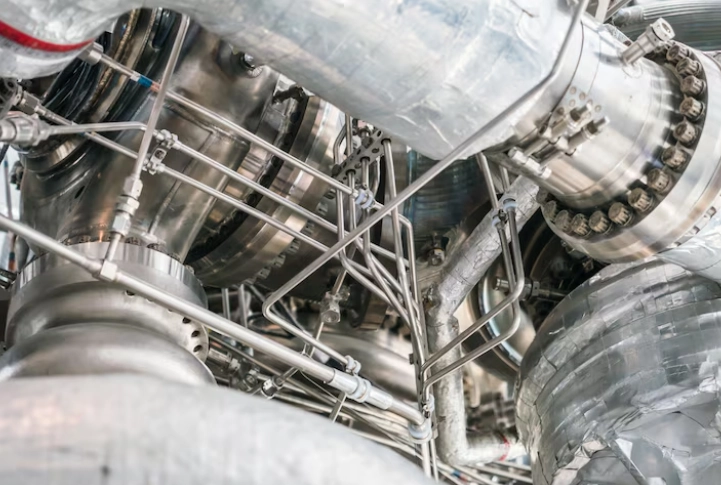
Why Do High Speed Industrial Equipment Parts Need Better Precision Machining Services
High speed equipment does not forgive small errors. A part that looks acceptable on a basic drawing may still create vibration, heat, noise, or unstable assembly after it enters a real operating system. This is why buyers need to judge machining services by application risk, not only by whether the factory can make the part.
High Speed Rotation Puts Extra Stress on Shaft and Spindle Parts
Shafts, spindles, crankshafts, camshafts, pistons, connecting rods, and covers used in engine systems all work under repeated motion. In a fuel-powered industrial drone, for example, the engine needs stable rotating and reciprocating parts because vibration can affect power output, service life, and maintenance frequency.
For these parts, buyers should pay attention to:
- Concentricity and roundness for rotating parts
- Surface finish for contact and sealing areas
- Material choice for load and wear behavior
- Heat treatment needs for parts exposed to stress
- Assembly tolerance between shaft, bearing, cover, and housing
Small Dimensional Errors Can Become Bigger Performance Risks
A small dimensional error may not be obvious during incoming inspection. The problem often appears later during assembly or testing. A bearing may not sit correctly. A spindle may produce abnormal vibration. A camshaft or crankshaft may create uneven wear. A cover may need rework because the fit is too loose or too tight.
For high speed industrial equipment parts, the question is not only “Is the part within tolerance?” A better question is “Will this tolerance still support the actual working condition?”
Precision Machining Services Help Control Stability from the First Sample
Ruizheng supports customization according to 2D and 3D drawings, which is useful when buyers are still checking a new design or replacing a difficult non-standard part. For projects that require small batch precision machining before mass production, sample confirmation helps reduce the risk of repeating the same error across a full batch.
This is especially useful for engine parts such as crankshafts, camshafts, covers, pistons, and connecting rods, where a small issue in one feature can affect the whole assembly.
What Should Buyers Check Before Choosing Precision Machining Services
The right Precision Machining Services should make the buyer’s job easier. A capable supplier should be able to review drawings, discuss difficult dimensions, suggest assembly tolerance, and explain which process should be used for each critical surface.
Machining Capability Across Turning Milling and Grinding
Not every part can be handled well by one machining method. Turning may form the main round body. Milling may create flat surfaces, slots, and complex shapes. Grinding may be needed for tighter dimensions and smoother rotating surfaces.
Ruizheng’s Precision Grinding Services are especially relevant for buyers dealing with spindle parts, custom shaft parts, and precision rotating components. For parts that need stable fit with bearings or sealing structures, grinding can help control the final surface after rough and semi-finish machining.
Material and Heat Treatment Support for Heavy Load Parts
For high speed and high load conditions, material selection should match the part’s job. Alloy steel and stainless steel are common options in projects that need strength, corrosion resistance, or better wear behavior. Heat treatment may also be needed when the part must resist repeated stress.
A buyer should not only ask, “Can you use this material?” The better question is:
| Buyer Concern | What to Confirm with the Supplier |
| Load and speed | Whether the material and process match the working condition |
| Wear area | Whether grinding or surface control is needed |
| Assembly fit | Whether tolerance advice can be provided |
| Batch stability | Whether inspection happens during the process, not only at the end |
Inspection Process Before Shipment
Ruizheng uses first-piece inspection, full-process inspection, and final inspection before shipment. Its constant-temperature testing room also supports measurement accuracy for precision components. The company states that processing accuracy can reach 0.001mm, which is useful for buyers handling tight-tolerance parts.
For overseas buyers, this inspection logic matters because rework is expensive after import. A delayed shaft, spindle, or engine part can stop a test bench, delay assembly, or force emergency local machining.
Which Ruizheng Services Fit High Speed Equipment Applications Best
Different parts need different services. A buyer sourcing a cover does not judge the same features as a buyer sourcing a spindle. Ruizheng’s service selection is easier to evaluate when the part is matched with its real application.
Precision Grinding Services for Tight Tolerance and Smooth Rotation
Precision grinding for spindle parts is suitable when the final surface controls rotation, bearing fit, or long-term stability. This service fits parts such as spindle shafts, motor shafts, compressor shafts, and other rotating components that need a controlled diameter and surface.
For buyers, the benefit is practical. Grinding can reduce the risk of rough contact surfaces, poor bearing fit, and unstable rotation. It is not needed for every feature, but it becomes valuable when the working area directly affects speed, heat, or wear.
For high-speed precision spindles and rotational core components, Ruizheng manages strict geometric dimensioning and tolerancing through climate-controlled grinding centers. Its precision grinding service can stabilize critical bearing seats and mating diameters within a strict size tolerance of ±0.002mm. To reduce early thermal deformation and friction-induced wear under high-speed rotation, contact faces can be controlled to an ultra-fine surface roughness profile of Ra 0.2–0.4 μm. During final standard inspection, customized spindles are also checked for radial runout and end-face runout, with both controlled within 0.003mm for qualified precision spindle projects.
Custom Spindle Part Processing for Rotational Core Components
Ruizheng’s Custom spindle part Processing fits buyers who need spindle-related parts for machine tools, industrial equipment, automation systems, and high-speed mechanical assemblies.
This service is suitable when the drawing includes strict requirements for concentricity, roundness, bearing position, or fit between rotating and supporting structures. For procurement teams, this is where technical communication matters. The supplier should review the drawing, confirm the critical surfaces, and avoid treating every dimension as equally important.
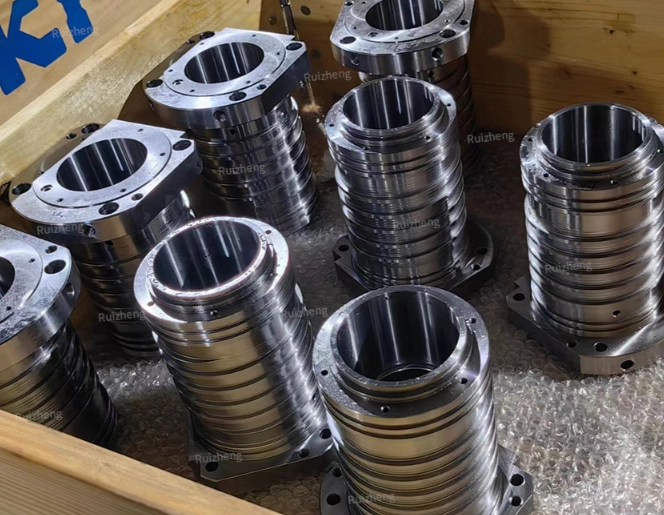
Non Standard Shaft Parts for Custom Industrial Designs
Many industrial projects do not use standard catalog parts. Engine manufacturers, repair suppliers, drone engine teams, and industrial equipment builders may need non-standard shafts, crankshaft-related parts, camshaft-related parts, covers, pistons, or connecting rods based on their own design.
Ruizheng’s custom processing model fits this type of demand because it supports drawing-based production, sample testing, and flexible project cooperation. This helps buyers who are developing replacement parts, improving an old assembly, or building a custom equipment system.
How Do Precision Machining Services Reduce Long Term Maintenance Cost
A machined part does not create value only at delivery. It creates value when it fits correctly, runs smoothly, and does not force repeated maintenance. For overseas buyers, long-term maintenance cost often matters more than a small saving on the first order.
Better Fit Means Less Vibration and Premature Wear
Poor fit can create vibration. Vibration can loosen nearby parts, increase bearing wear, and shorten the life of rotating assemblies. For fuel-powered industrial drone engine parts, vibration control is also linked with stable engine operation and easier maintenance.
Precision machining helps reduce these risks by controlling the surfaces that matter most: bearing seats, shaft diameters, sealing areas, threaded sections, and mating faces.
Stable Material Selection Supports Longer Service Life
Material selection should follow the working condition. A part used in a high-speed rotating system may need a different material and heat treatment plan from a static cover or bracket. If the part carries load, connects to a bearing, or works near heat and vibration, the buyer should discuss material behavior before confirming production.
Ruizheng can work with alloy steel and stainless steel and supports heat treatment. This gives buyers more room to match the part with the actual use case.
Assembly Advice Helps Avoid Costly Installation Errors
Ruizheng can provide usage guidance and assembly suggestions, including assembly tolerance recommendations. This is useful for buyers who are not only purchasing parts, but also trying to solve fit problems in a larger system.
For example, if a shaft, bearing, and cover do not work together correctly, changing only one dimension may not solve the problem. A supplier with machining and assembly awareness can help the buyer review the relationship between parts before production.
How Can Buyers Start a Precision Machining Project with Ruizheng
Starting a custom machining project is easier when the buyer prepares the right information. A clear drawing is useful, but the working condition is just as important. Speed, load, material, mating parts, and inspection needs should be shared early.
Send Drawings for Fast Technical Evaluation
Buyers can send 2D or 3D drawings for evaluation. Ruizheng supports fast drawing review and quotation within 24 hours for suitable projects. To improve communication, buyers should provide:
- Drawing files
- Material requirements
- Quantity and batch plan
- Key tolerance areas
- Application field
- Surface treatment or heat treatment needs
- Sample or old part photos if available
Confirm Samples Before Batch Production
Ruizheng supports samples before batch production and can cooperate during proofing and trial production stages. For ordinary parts, the delivery cycle is usually 20–30 days. For high-end precision parts, it is usually 40–60 days.
This step is useful for buyers working on new engine components, custom shaft parts, or replacement parts for industrial machinery. Sample confirmation helps catch drawing gaps, fit issues, or process risks before larger purchasing decisions.
Use Ruizheng Service and Contact Channels for Custom Support
Buyers can review Ruizheng’s services to match the project with turning, milling, grinding, or spindle processing. For parts used in high speed equipment, the key is to make the first discussion specific. A short message with drawing, material, tolerance, and application details will save time on both sides.
If your team is comparing machining suppliers for high speed industrial equipment parts, prepare the drawing, material request, quantity, and the failure problem you want to avoid. Ruizheng can review custom shafts, spindle parts, engine-related parts, and non-standard mechanical components based on actual project needs. Use the contact page when you need to share drawings or clarify which service fits your part.
FAQ
Q: How do Precision Machining Services help high speed equipment parts run more steadily?
A: They help control the critical surfaces that affect rotation, fit, and wear. For shafts, spindles, crankshafts, camshafts, pistons, and connecting rods, better machining control can reduce vibration risk, improve assembly fit, and support more stable operation during long use.
Q: Should buyers choose grinding for every custom machined part?
A: No. Grinding is most useful for areas that need tighter tolerance, smoother surface, or better fit with bearings and mating parts. Many parts still need turning or milling first. Grinding should be used where the final surface directly affects speed, rotation, sealing, or wear.
Q: What information should be sent before ordering custom spindle or shaft parts?
A: Send 2D or 3D drawings, material requirements, tolerance notes, quantity, application field, mating part details, and any sample or old part reference. If the part is used in a fuel-powered industrial drone engine or other high speed system, also explain the working speed, load, and main failure concern.

