
Choosing Precision Machining Services for custom industrial parts is not just a matter of finding a shop with machines. For buyers of machine tool parts, spindle components, bearing seats, flanges, and industrial equipment parts, the real question is whether the supplier can turn a drawing into a stable part that fits correctly after assembly.
Ruizheng focuses on high-precision shaft components and non-standard mechanical parts for machine tools and industrial equipment. Founded in 2013, the company has developed from a lathe workshop into a machining manufacturer with lathes, milling machines, grinders, a constant-temperature testing room, and automated loading and unloading systems. This equipment mix is useful because many custom parts do not rely on one process only. CNC machining may form the main geometry first, while grinding may be added later for final diameter, surface, and concentricity control.
For buyers working on custom industrial parts manufacturing, Ruizheng’s CNC machining service fits drawing-based non-standard parts, flanges, bearing seats, and small-batch trial production. Its Precision Grinding Services are more suitable for shaft parts, spindle parts, and rotating components where fitting surfaces need closer control.
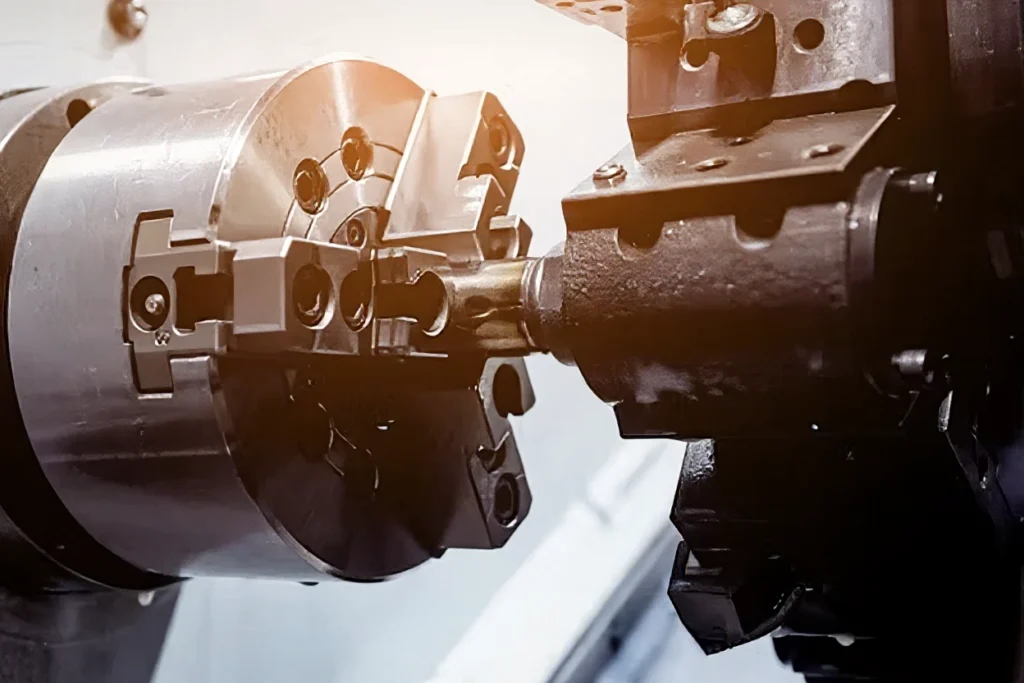
Why Do Custom Industrial Parts Need the Right Precision Machining Services?
A custom part usually has no ready-made replacement. The drawing defines the size, tolerance, material, and surface requirements, but the final result depends on how the supplier plans the process route. For machine tool component machining, one small deviation may later become vibration, poor fitting, difficult assembly, or early wear.
Drawings Are Only the Starting Point
A complete drawing tells the supplier what the part should be. It does not automatically decide how the part should be made. A shaft may need rough turning before grinding. A bearing seat may need careful datum control before the final bore is finished. A flange may look simple, but flatness and hole position can affect the whole assembly.
Good Precision Machining Services should include drawing review before production. Ruizheng supports custom production based on 2D and 3D drawings, which helps buyers check whether tolerance, material, process order, and inspection points are practical before a batch order starts.
Tolerance Stability Decides Real Assembly Performance
For industrial parts, one qualified sample is not enough. The harder part is keeping repeated parts stable. Ruizheng’s processing accuracy can reach 0.001mm, which gives buyers a clearer reference when sourcing shaft parts, spindle components, bearing seats, and other parts from a tight tolerance machining supplier.
Tolerance stability depends on machine condition, tool wear control, clamping, temperature during measurement, and inspection timing. This is why a constant-temperature testing room is useful for precision parts. It helps reduce measurement deviation when small dimensional changes matter.
Industrial Parts Need Process Matching, Not Generic Machining
Not every part should be handled in the same way. Turning can remove material efficiently. Milling can create planes, holes, slots, and mounting features. Grinding is more suitable for final surface and dimensional control on certain cylindrical or fitting areas.
For buyers, the key question is not only “Can you make this part?” A better question is “Which process route will keep this part stable after assembly?” That is the point where Precision Machining Services become a real procurement decision, not just a price comparison.
What Should Buyers Check Before Choosing a Precision Machining Supplier?
Before sending a purchase order, buyers should check whether the supplier has the right equipment, inspection routine, document support, and drawing communication. A low unit price can become expensive if the part fails during assembly or needs repeated rework.
Equipment Capability for Complex Part Structures
Ruizheng’s equipment includes lathes, milling machines, grinding machines, a constant-temperature testing chamber, and automated loading and unloading robotic systems. This matters for parts that need more than one process.
For example, a spindle part may require turning, heat treatment planning, precision grinding, and final dimensional inspection. A bearing seat may need milling, boring, and careful checking of fitting surfaces. A flange may need stable hole position and flatness. Buyers should not only ask whether the supplier has CNC machines. They should ask whether the equipment matches the part structure and tolerance target.
Quality Control from First Piece to Final Shipment
Ruizheng applies first-piece inspection, full-process inspection, and final inspection before shipment. This type of workflow reduces the risk of producing a full batch with the same hidden defect.
First-piece inspection confirms whether setup, tooling, and dimensions are correct before production continues. Process inspection helps catch problems caused by tool wear, clamping changes, or measurement drift. Final inspection checks whether shipped parts meet the agreed drawing requirements. For parts used in machine tools and industrial equipment, this inspection chain is more practical than checking only after all machining is finished.
Certification and Report Support for Overseas Buyers
Ruizheng has passed ISO 9001 quality management system certification and can provide material reports, dimensional inspection reports, RoHS documents, and related certificates upon customer demand. These records help overseas buyers with supplier approval, internal quality review, and project files.
Reports also make later troubleshooting easier. If an assembly issue appears, both sides can check measured dimensions and documents instead of relying only on photos or descriptions.
When Should Buyers Choose Precision Grinding Services Instead of General CNC Machining?
Grinding should not be treated as a replacement for CNC machining. In many projects, CNC machining builds the main structure first, while grinding is used later for key dimensions and fitting surfaces. This process logic makes precision grinding for shaft components especially useful when the part needs better roundness, concentricity, or surface control.
Better Surface Finish for Shaft and Spindle Parts
Shaft and spindle parts often work with bearings, sleeves, seals, or rotating assemblies. If the surface is rough or inconsistent, the part may create wear, fitting problems, or unstable movement. Grinding can refine the final diameter and surface condition after earlier machining steps.
Ruizheng’s Precision Grinding Services are suitable for buyers who need shaft parts, spindle parts, bearing seats, and rotating components with controlled fitting areas.
Improved Concentricity for High-Speed Applications
High-speed parts are sensitive to concentricity. If the centerline of a shaft is not controlled well, vibration may appear after assembly. Ruizheng’s solution notes mention high-speed scenarios where concentricity and heat treatment planning need to be considered together.
For machine tool parts and rotating industrial components, the supplier should review the machining datum, clamping method, grinding sequence, and inspection method. A simple size check is not enough when the part will run at speed.
Reliable Fit for Bearing Seats and Rotating Components
Bearing seats need accurate fitting surfaces because a small deviation can affect bearing life, noise, and assembly force. Some fitting areas may be finished by grinding when general machining cannot provide enough dimensional or surface consistency.
Buyers should ask how the fitting surface will be finished and how it will be measured. This question is more useful than asking only for a price per piece.
How Can CNC Machining Service Support Custom and Small-Batch Projects?
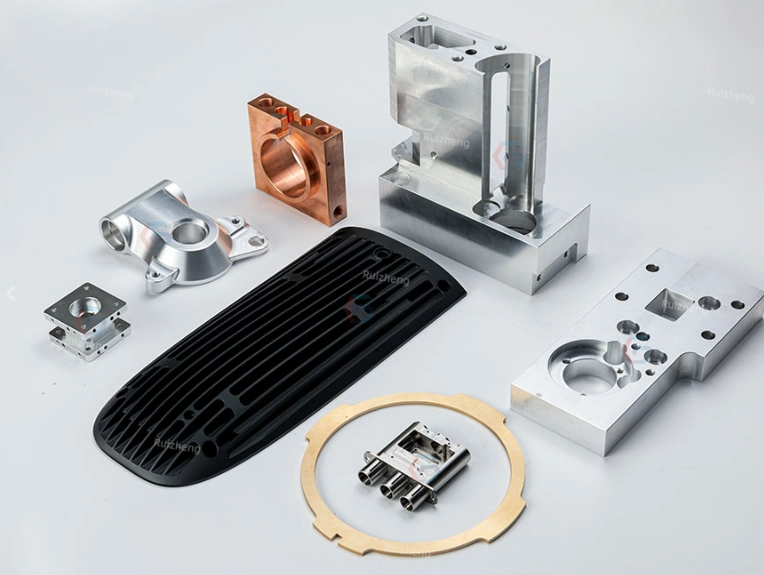
CNC machining is often the first production step for custom industrial parts. It shapes the main geometry, creates mounting features, and supports flexible drawing-based production. For CNC machining for non-standard parts, buyers usually need fast drawing feedback and a clean route from sample to batch.
2D and 3D Drawing-Based Custom Production
Ruizheng supports non-standard parts based on customer 2D and 3D drawings. This helps buyers who need parts made for their own machines, fixtures, assemblies, or equipment upgrades.
During drawing review, the supplier should check material, tolerance, surface requirements, heat treatment needs, and key assembly dimensions. A careful review can prevent impossible tolerance combinations, unnecessary cost, or process risks that only appear after production starts.
Small-Batch Trial Production Before Bulk Orders
Ruizheng supports proofing and trial production before batch cooperation. This is useful for new equipment projects, replacement parts, design changes, and parts that need assembly testing.
A small batch CNC machining service gives buyers time to test fit, check assembly, and confirm whether the process route is stable. It is usually safer to adjust details during trial production than to correct a full batch later.
Clear Lead Time for Different Precision Levels
Ruizheng’s reference delivery cycle is 20 to 30 days for ordinary parts and 40 to 60 days for high-end precision parts. This helps buyers plan procurement with fewer surprises.
Tighter tolerance parts may need more process steps, longer inspection time, or additional confirmation before shipment. Buyers should leave enough time for drawing review, sample confirmation, production, inspection, packing, and international delivery.
Why Is Ruizheng a Practical Choice for Precision Machining Services?
Ruizheng is suitable for buyers who need drawing-based customization, CNC machining, grinding support, inspection discipline, and long-term supply for machine tool and industrial equipment parts. Its value is not only in making single parts, but in helping buyers control fit, repeatability, and production risk.
Precision Machining for Machine Tool and Industrial Equipment Parts
Ruizheng’s product range includes spindle parts, flange parts, bearing seats, robot parts, and other non-standard mechanical components. This direction fits buyers sourcing parts for machine tools, industrial equipment, industrial robotic arms, and related assemblies.
The company can also provide assembly tolerance suggestions. For buyers dealing with bearings, screws, seals, or matching parts, this type of support can reduce trial-and-error during installation.
Support for Spindle Parts, Flanges, Bearing Seats, and Non-Standard Parts
Different parts need different checks. Spindle parts need concentricity and surface control. Flanges need flatness and hole position. Bearing seats need fitting dimensions and reliable measurement. Non-standard parts need careful drawing review before production.
Ruizheng’s service capability is useful when a project needs both CNC machining and grinding within one workflow. This can reduce communication gaps between separate suppliers and make process control easier.
From Service Consultation to Contact and Long-Term Supply
A reliable supplier should help buyers before and after production. Ruizheng can evaluate drawings and quote within 24 hours, support project-based or long-term cooperation, arrange international express, air, and sea shipment, and provide defect analysis reports for quality issues.
For buyers, this means the project path is clearer: drawing review, process planning, trial production, batch production, inspection documents, shipping support, and after-sales communication.
Before choosing a supplier, prepare your drawing, material request, tolerance notes, quantity plan, inspection needs, and target delivery schedule. If the part is used in a machine tool or industrial equipment assembly, explain the working position and matching parts as clearly as possible. For drawing review, process suggestions, or document needs, send the project package through Ruizheng’s contact channel so the team can check the machining route and inspection requirements.
FAQ
Q: What Should I Send Before Ordering Precision Machining Services?
A: Send 2D or 3D drawings, material requirements, tolerance notes, surface requirements, quantity, expected delivery time, and inspection report needs. If the part fits with bearings, seals, screws, or other components, include that information too.
Q: Should I Choose CNC Machining or Precision Grinding for Shaft Parts?
A: CNC machining is suitable for forming the main shape of the part. Precision grinding is better for final diameter control, surface finish, concentricity, and fitting areas on shaft and spindle parts. Many projects need both processes.
Q: Can Ruizheng Support Small-Batch Precision Machining Services?
A: Yes. Ruizheng supports proofing and trial production based on 2D or 3D drawings. This helps buyers test fit, verify assembly, and confirm the process before moving into batch production.

