
Farming is tough on gear. Between carrying 50kg of liquid fertilizer and fighting wind gusts over uneven fields, the internal stress on the drivetrain is massive. The problem most heavy-lift agricultural drones operators face is that standard, off-the-shelf parts just weren’t built for this kind of weight. This is exactly why custom non-standard engine components have become the backbone of reliable ag-tech. When a drone is hovering with a full payload, every micron of precision in the engine crankshaft determines whether you can finish the job.
If you’ve been hunting for a manufacturing partner who actually gets high-precision machining without the corporate fluff, you should check out Foshan Ruizheng Machinery, which is a serious modern factory with automated robots and a dedicated constant-temperature testing lab. They they handle the hard stuff—engine crankshafts, connecting rods, pistons and precision components with grinding tolerances hitting 0.001mm. Whether it’s for industrial robots or specialized heavy equipment, they have the ISO 9001 certification and SGS reports to back up every cut.
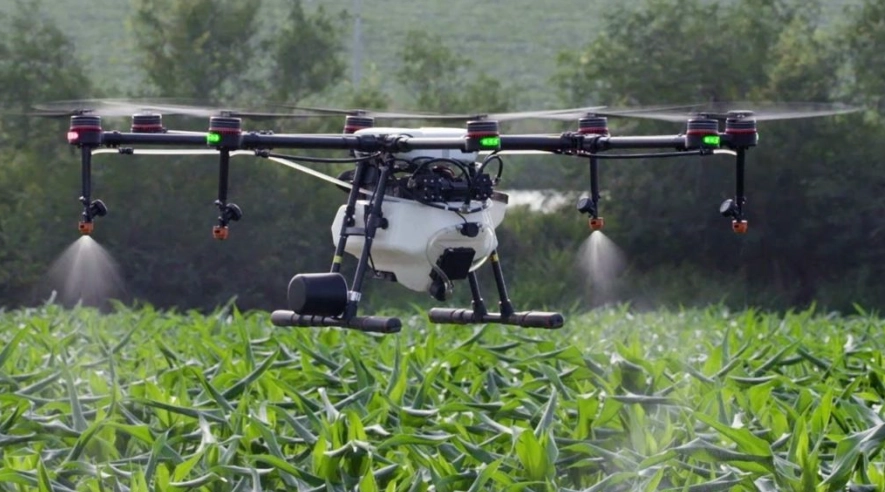
The Heavy-Lift Reality: Why Precision is Your Best Insurance
When you increase the payload of a drone, you aren’t just making it “bigger.” You are changing the entire physics of the machine. A heavy-lift drone requires massive torque to stay stable, and that torque puts a lot of pressure on the central engine rotating components. If the engine core part is even slightly out of balance, the vibration at high RPMs will eventually shake the engine bearings to death.
Most people don’t realize that standard engine parts often have tiny deviations in concentricity. On a small camera drone, you might not notice. On a heavy-lift sprayer? That tiny wobble turns into a violent vibration that ruins your sensors and kills your flight time. By using custom non standard engine parts, you get parts that are machined specifically to handle these high-load scenarios. It’s about making sure the center of gravity of the rotating mass is exactly where it needs to be.
Eliminating the “Wobble” with CNC Accuracy
The secret to a stable flight isn’t just in the software; it’s in the metal. When we talk about high-end agricultural drones, the engine crankshaft is usually the first point of failure. Using a Custom DRONE crankshaft CNC machining SERVICE allows you to choose materials like high-strength alloy steel that can withstand the constant power adjustment impact while adapting to wind changes.
Unlike standard parts that are mass-produced with loose tolerances, these custom components are checked at every stage. We are talking about IT6 or IT7 precision levels here. When the fit between engine parts and bearings is perfect, there’s no room for the part to “dance” inside the housing. This lack of play means less heat, less friction, and a much longer lifespan for your expensive drone power systems. img.Custom DRONE engine core parts CNC machining SERVICE.webp
Material Science: Choosing Strength Over Convenience
In the world of industrial equipment and machine tool accessories, material choice is everything. For heavy-lift drones, you need something that is light enough to not affect overall performance but strong enough to not bend under a 40kg load. Stainless steel and specific alloy steels are the go-to choices here.
A big part of why these parts work so well is the heat treatment. Getting the HRC (hardness) right is a delicate balance. If it’s too hard, it becomes brittle and snaps; if it’s too soft, it deforms. Professional machining services take your specific use case and suggest the right heat treatment so your custom non standard engine parts stay true for hundreds of flight hours.
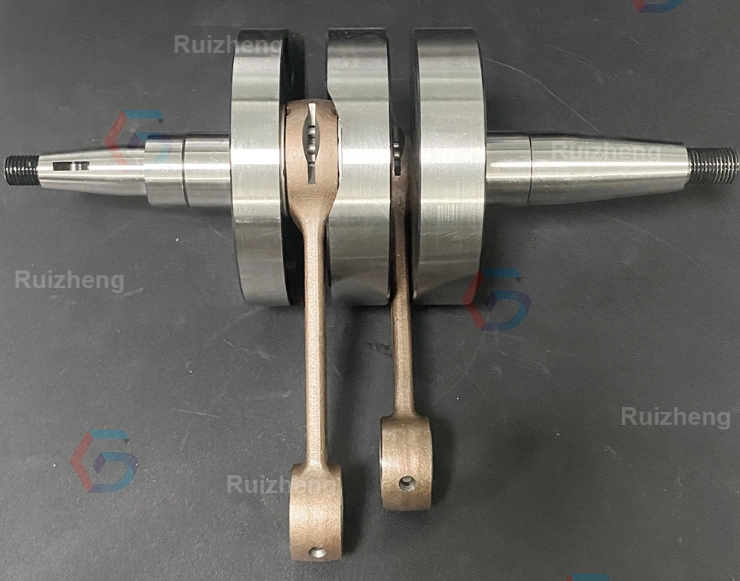
Why “Good Enough” is a Risk You Can’t Afford
Think about the cost of a drone crash. Between the frame, the high-end flight controller, and the specialized spraying equipment, you are looking at thousands of dollars. Saving twenty bucks on a generic engine part is the definition of “penny wise and pound foolish.”
When you look at the comprehensive services provided by expert shops, you see that they offer more than just cutting metal. They offer assembly tolerance recommendations. This means they can tell you exactly how to fit engine parts into your existing gearboxes or engine housings to avoid premature wear.
Streamlining Your Supply Chain with Custom Solutions
One of the biggest headaches in the ag-tech industry is the “trial and error” phase. You have a new drone design, but you aren’t sure if the engine core parts will hold up. Most big factories won’t even talk to you unless you order 10,000 pieces. That’s a huge wall for innovation.
The beauty of working with a flexible precision shop is the ability to do small-batch trial production. You can get 5 or 10 pieces of your custom non standard engine parts to test in the field before you commit to a full production run. This allows you to find weak points in the design early on, saving you a fortune in the long run.
From 2D Drawings to Finished Parts
The process is actually pretty straightforward if you have the right partner. You send over your 2D or 3D drawings, and a team of engineers evaluates them. Usually, you can get a quote and a technical evaluation within 24 hours. Once the design is locked in, the parts move through a series of inspections—first-piece checks, process checks, and a final deep-dive in a constant-temperature room to make sure the measurements haven’t shifted due to heat.
Moving Toward a Reliable Future in Ag-Tech
As the agricultural industry moves toward more automation, the demand for drones that can work all day, every day, is only going to grow. We are seeing more and more requirements for parts that can handle “high speed and high load” without breaking a sweat. Whether you are building new drones or maintaining a fleet of machine tool accessories, the focus should always be on the core engine components that move.
Investing in custom non standard engine parts is ultimately an investment in your brand’s reputation for reliability. When your customers see that your drones can handle the heavy lifting without constant mechanical failures, you’ve won the market.
Contact
Don’t let standard parts ground your fleet. Send your drawings today for a fast 24-hour quote on your custom non standard engine parts. Let’s build lasting reliability. Contact Ruizheng right now.
FAQ
Q: Can you help with assembly tolerance recommendations for drone engine crankshafts?
A: Yes, we provide specific assembly suggestions to ensure that our custom crankshafts and connecting rods fit your existing engine housings perfectly, which reduces friction, minimizes vibration, and prevents premature wear.
Q: How do you handle quality control for custom non standard engine parts?
A: Every part goes through a strict ISO 9001 process, including first-piece inspection and a final check in our constant-temperature lab to ensure precision up to 0.001mm.
Q: What is the typical lead time for a small batch of custom parts?
A: For standard precision parts, we usually deliver within 20-30 days. For high-end, extremely precise components, the cycle is typically 40-60 days depending on the complexity.

