
A stepped shaft may look simple on a drawing, but the real challenge appears at the shoulders, bearing seats, diameter transitions, and ground surfaces. If one step is slightly out of size, the shaft may still be assembled, but it can create vibration, poor bearing fit, early wear, or unstable movement inside the machine.
For buyers of machine tool parts, machine tool accessories, and industrial equipment parts, the question is not only whether a stepped shaft can be turned. The more important question is whether the final Grinding Process can control roundness, surface finish, runout, and fit consistency after machining.
That is why grinding is often the key process behind a high quality stepped shaft.
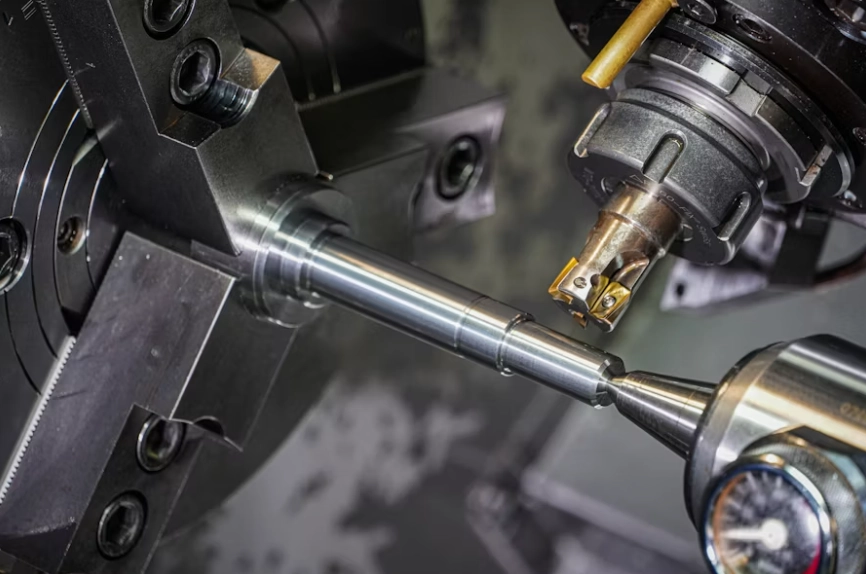
Why does a stepped shaft need grinding after machining?
A stepped shaft usually has several diameters on one part. Each diameter may serve a different function: bearing support, transmission, positioning, sealing, or assembly with another component. Turning can form the basic shape, but it may not be enough for high-fit surfaces.
Grinding helps improve the final accuracy of the shaft after rough and semi-finish machining. It is especially useful when the shaft needs better surface quality, tighter matching with bearings, or stable rotation.
For buyers, the value is practical:
- Better bearing fit
- Smoother rotation
- Lower vibration risk
- More stable assembly
- Better Ground Finish / Grinding Finish
- Fewer problems during batch production
If the shaft will be used in a high-speed or high-load position, Precision Grinding should be considered early, not only after problems appear.
Where does Ruizheng fit into stepped shaft grinding projects?
Ruizheng focuses on high-precision shaft parts and non-standard mechanical parts. Its work covers spindle parts, stepped shafts, flanges, bearing seats, machine tool parts, machine tool accessories, and industrial equipment parts. For stepped shaft projects, this background matters because the part often requires both accurate turning and stable grinding control.
Buyers often send 2D drawings, 3D drawings, or old samples. A practical supplier should not only process the shape, but also review which sections need CNC Grinding, which shoulders affect assembly, and which diameters should be treated as key fit surfaces.
For custom and non-standard stepped shafts, this early review can reduce sample correction and help the buyer avoid approving a part that looks correct but fails during assembly.
What should buyers confirm before grinding a stepped shaft?
Before the Grinding Process starts, the buyer should confirm which surfaces are functional. Not every diameter needs the same accuracy, and not every surface needs grinding. The right decision depends on how the shaft will work after assembly.
| Information to Confirm | Why It Matters |
| Bearing seat diameter | Affects fit, rotation, and wear |
| Step position | Controls assembly location and shoulder contact |
| Runout requirement | Affects vibration and rotation stability |
| Surface finish requirement | Decides whether Precision Grinding is needed |
| Shaft material and hardness | Affects grinding method and wheel selection |
| Sample wear condition | Helps avoid copying worn dimensions |
| Batch quantity | Decides whether to start with sample, small batch, or repeat production |
If the project is based on an old shaft sample, worn bearing seats should be checked carefully. A used sample may no longer show the original size. Buyers should mark the functional surfaces clearly before confirming production.
What grinding methods are used for high quality stepped shafts?
A stepped shaft may require more than one grinding method. The right process depends on the shaft shape, fit surfaces, length, diameter difference, and assembly requirement.
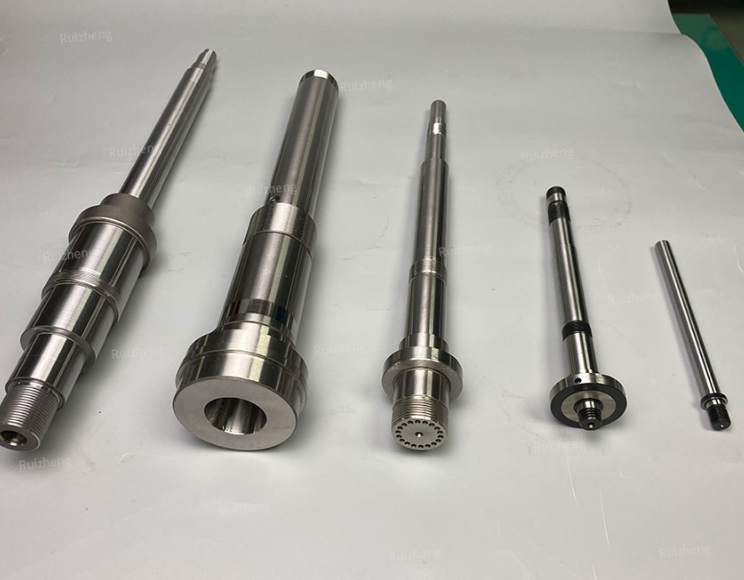
Cylindrical Grinding for outer diameters
Cylindrical Grinding is commonly used for the outer diameters of stepped shafts. It helps control roundness, size, and surface finish on bearing seats, shaft journals, and fitted sections.
This process is useful when the shaft must rotate smoothly or match bearings, sleeves, gears, or other mechanical parts. Poor outer diameter control may lead to loose fit, tight assembly, or vibration after installation.
CNC Grinding for repeatable accuracy
CNC Grinding is suitable when the shaft has several critical diameters or when batch consistency matters. It can help keep different steps under a more stable process route.
For buyers, CNC Grinding is valuable because it reduces dependence on manual adjustment and improves repeatability for repeat orders.
Surface Grinding for shoulders and end faces
Some stepped shafts have shoulders that must contact other parts during assembly. If the shoulder face is uneven, the matched part may not sit correctly.
Surface Grinding can help improve flatness and contact quality on end faces, shoulders, and certain positioning surfaces. This is useful for parts that need stable axial location.
Centerless Grinding for suitable shaft sections
Centerless Grinding can be useful for certain straight cylindrical sections where efficient and consistent outer diameter finishing is needed. It is not suitable for every stepped shaft, but it can be considered when the geometry and production quantity match the process.
The buyer should let the supplier decide whether Centerless Grinding fits the shaft structure, instead of forcing the process by keyword.
Internal Grinding when inner holes are critical
Some stepped shafts include inner holes, sleeves, or bore-related features. If the inner diameter affects fit or rotation, Internal Grinding may be needed.
This is not required for every shaft, but it becomes important when the inside surface also works as a positioning or matching surface.
What is the full machining route before grinding?
Grinding is not the first step. A high quality stepped shaft usually starts with turning, then moves through other processes before final grinding. If the earlier machining stage leaves too much error, grinding may not fully correct the problem.
A typical route may include:
- Material preparation
- CNC turning for the basic stepped shape
- Milling or drilling if slots, flats, or holes are required
- Heat treatment if the working surface needs better wear resistance
- Rough grinding or semi-finish grinding
- Precision Grinding for key fit surfaces
- Final inspection before shipment
Ruizheng’s services can support buyers who need turning, milling, grinding, drilling, heat treatment, and inspection under one production plan. This is useful when a stepped shaft must match other parts such as sleeves, flanges, bearing seats, or spindle components.
For buyers, keeping these related processes in one machining communication flow can reduce drawing misunderstanding and fit mismatch.
How should buyers judge the quality of Ground Parts / Precision Ground Parts?
A ground shaft should not be checked only by appearance. A smooth surface looks good, but the buyer should care more about whether the size, roundness, runout, and shoulder position match the assembly requirement.
Before batch production, buyers should check:
- Bearing seat diameter
- Roundness of ground sections
- Runout between different steps
- Shoulder position and contact face
- Ground Finish / Grinding Finish
- Burrs near steps, holes, or grooves
- Fit with bearings, sleeves, or matched parts
Some problems only appear after assembly. The table below connects common shaft problems with possible grinding or machining causes.
| Problem After Assembly | Possible Cause | What Buyers Should Check |
| Bearing is too tight | Ground diameter is oversized or finish is unsuitable | Bearing seat size and Grinding Finish |
| Bearing is loose | Ground diameter is undersized | Fit tolerance and inspection record |
| Shaft vibration | Runout or concentricity is unstable | Runout between stepped diameters |
| Matched part does not sit flat | Shoulder face is not properly controlled | Step position and Surface Grinding area |
| Early wear | Surface finish or hardness does not match use | Ground surface and working condition |
For fit-sensitive parts, inspection should happen before shipment, not after the buyer finds the problem during assembly.
What supplier signs should buyers pay attention to?
A reliable supplier should ask which diameters need grinding, which surfaces are bearing seats, which shoulders control assembly, and whether the shaft is for sample testing or batch production.
Warning signs include:
- No review of functional surfaces
- No discussion of grinding allowance
- No inspection plan for bearing seats
- No attention to runout between steps
- No sample route for non-standard stepped shafts
If the supplier only asks for material, quantity, and delivery time, the buyer should review the risk before placing a batch order.
Final selection advice for buyers
Choose the grinding route before comparing unit price. If the stepped shaft only needs a general shape, turning may be enough. If it supports bearings, rotates at speed, or fits tightly with other parts, Precision Grinding should be included in the process plan.
If the part is copied from an old sample, check worn areas before copying dimensions. If the part is new, confirm the key bearing seats, shoulders, and runout requirements before machining. If the order will repeat, set a stable grinding and inspection standard from the first batch.
Project contact for stepped shaft grinding
If your stepped shaft project involves bearing fit, runout control, unclear drawings, worn samples, or strict Ground Finish requirements, prepare the drawing, sample photos, material request, key fit notes, and quantity plan before you contact the team. Clear information helps decide whether the part should start from sample checking, CNC Grinding, Cylindrical Grinding, Precision Grinding, or full custom machining.
FAQ
Q: Why is grinding important for a stepped shaft?
A: Grinding helps improve the final size, roundness, surface finish, and fit of key shaft sections. It is especially important for bearing seats, rotating areas, and stepped surfaces that affect assembly accuracy.
Q: What is the difference between CNC Grinding and Cylindrical Grinding for stepped shafts?
A: Cylindrical Grinding focuses on finishing outer round surfaces such as shaft journals and bearing seats. CNC Grinding uses controlled machine movement to improve repeatability, especially when the stepped shaft has several critical diameters.
Q: Can a stepped shaft be made from an old sample?
A: Yes, but worn areas should be checked before copying. Bearing seats, shoulders, and ground surfaces may have changed after use, so functional dimensions should be confirmed before machining.

