
When a high-precision rotating system fails, the cost is rarely just the price of the part—it is the downtime of the entire assembly line. As a procurement manager or engineer, you know that the reliability of a Step Shaft is defined by the integrity of its material and the consistency of its tolerance across every diameter. Avoiding premature failure requires more than standard machining; it demands a manufacturing partner who treats your technical specifications as the primary directive. This guide breaks down the essential production stages that define shaft quality and impact your long-term operational success.
Ruizheng operates as a modern facility equipped with specialized grinding and automated systems. We focus on producing components that meet stringent performance demands for industrial robotic arms and heavy-duty equipment. Our custom step shaft processing services are built on the foundation of consistent quality management. By focusing on the integration of material science and precision machining, we assist manufacturers in reducing maintenance frequency and assembly errors common in high-load rotating systems.
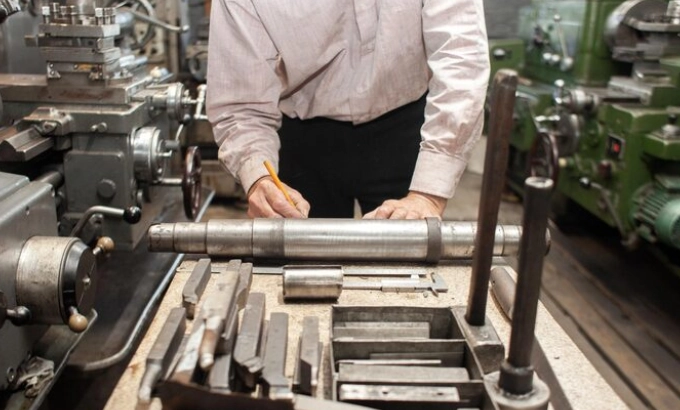
Material Selection and Metallurgical Integrity
The path to a durable Step Shaft begins long before the first metal chip is removed. Picking the right material grade stands as the most critical decision in the engineering phase. If the material does not match the application’s stress profile, even the most precise machining cannot stop early fatigue or failure.
Selecting the Right Alloy for Load Conditions
- Alloy steels serve as the main choice for applications that need a balance of toughness and wear resistance.
- When equipment runs in corrosive environments, stainless steel or titanium alloys become necessary to keep component life intact.
- Material selection calls for deep analysis of thermal stability to keep the part functional under varied operating temperatures.
The Role of Heat Treatment
Heat treatment proves essential to reach the needed surface hardness while keeping internal ductility that prevents brittle fracture. Our team reviews these factors against your specific load needs to ensure the part foundation can handle the intended work.
| Scenario Needs | Suggested Material | Key Considerations |
| High-speed robotic joints | Alloy steel | Concentricity and dynamic balance |
| Heavy industrial equipment | Heat-treated alloy steel | Fatigue strength and impact resistance |
| Corrosive environments | Stainless/Titanium | Surface protection and hardness retention |
Precision Machining and CNC Technology
Once the material is solidified, the transformation into a high-precision component relies on disciplined machining sequences. Reaching tolerances as tight as 0.001mm calls for a clear approach to temperature control and vibration dampening.
Maintaining Concentricity at High Speeds
Modern CNC setups support complex profiles, yet the real challenge lies in holding concentricity across multiple stepped diameters. If a shaft lacks perfect alignment along its length, it creates extra vibration at high rotational speeds. This shortens the life of bearings and housings.
Integrated Machining Workflows
- We use a mix of CNC lathes, milling stations, and specialized grinding equipment to carry out precise cuts.
- This workflow keeps the transition between steps dimensionally accurate and holds the surface finish needed for mating components.
- For those looking to streamline their assembly process, our services extend beyond mere cutting, encompassing the technical oversight necessary to ensure your components fit perfectly into their final destination.
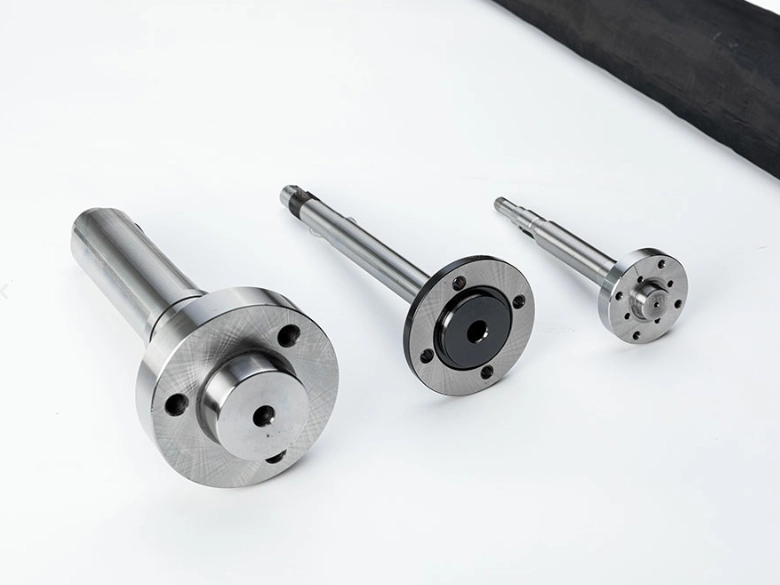
Quality Assurance and Dimensional Verification
Measurement forms the last barrier between a working part and a rejected batch. A component that appears correct to the eye may still fail under high-stress conditions if internal stresses or small deviations exist.
Inspection Protocols
- A sample is checked against the blueprint before the full batch moves forward to confirm alignment with specifications.
- Ongoing inspections during production stop tool wear or process drift from causing deviations
Constant-Temperature Environment
Final verification takes place in a constant-temperature testing chamber. Stable conditions remove thermal expansion variables from the measurement and ensure the report shows the true dimensions of the part.
Addressing Engineering Challenges Through Collaboration
Procurement often struggles with the gap between 2D designs and real-world assembly. A drawing may be technically sound on paper but difficult or cost-prohibitive to manufacture efficiently.
Early collaboration in the design phase can fix these issues. Whether you need a prototype for a new robotic mechanism or larger volumes for an established industrial component, talking through assembly tolerances and material stress points often brings real cost savings. We support partners through proofing and trial stages so you can test fit and performance before moving to large volumes. If you have a custom step shaft processing need that involves complex shapes or specific fatigue-resistance requirements, we can review the manufacturability of your design.
Managing Your Project Requirements
When selecting components for your project it is vital to communicate the production timeline and technical documentation such as drawings. When your project requires certain components to be assembled i.e. bearings, seals etc or even post-machining services, we can advise on the best course of action to ensure the final delivery of components is on time. Contact us today to discuss your current project and we shall provide you with clear advice and feedback on lead times and the technical feasibility of your requirements. We shall also review your technical documentation and drawings to ensure that you avoid potential pitfalls of procurement and that the correct components are delivered to you ready for assembly.
FAQ
Q: Does your team support customization based on 2D or 3D drawings for a Step Shaft?
A: Yes we manufacture non standard components and we can make from your own engineering drawings. We can also meet your required size and tolerance to form part of your overall assembly.
Q: How do you ensure the precision of your components?
A: We keep quality on the desired level by processing according to our ISO 9001 certified processes, by checking the first article only and by checking test data in a controlled constant-temperature testing room in order to avoid mistakes when measuring.
Q: What is the typical timeframe for prototype production versus bulk manufacturing?
A: How long will it take? The parts that are not so intricate and don’t require such exotic materials typically go through the shop in a timely fashion. We can go into more detail about timing in our initial review of your project needs.

