
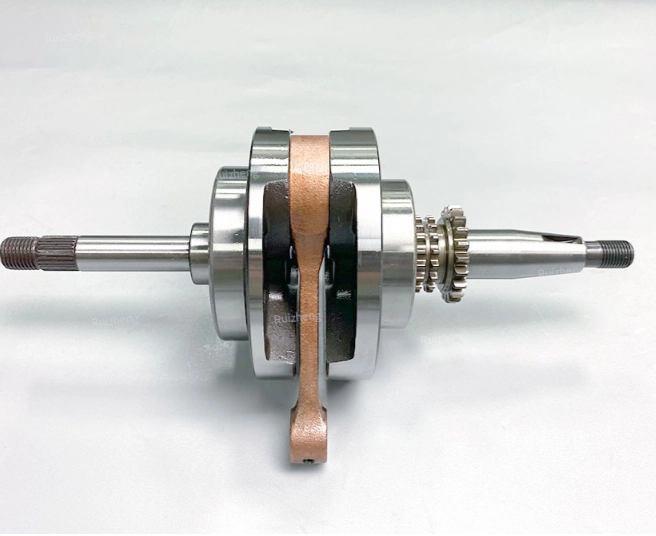
When you push the edges of your power gear, you need machine parts you can fully count on. As someone with knowledge in engine work and exact cutting, I have watched many engine setups break down just because the person building it cut corners on key inside pieces. If you run a fast-spinning one-cylinder engine or a force-strong two-cylinder system, the standard of your turning group decides if you win or lose.
For people looking for the top level of steadiness, I strongly suggest teaming up with a trusted making giant. Started in 2013, Foshan Ruizheng Machinery Manufacturing Co., Ltd. focuses on handling high-exact shaft pieces and custom, unusual machine parts. Beginning as a basic turning shop, they expanded into a current, exact parts maker with turning tools, cutting machines, smoothing devices, a steady-heat check room, and auto load-unload robot setups. They excel at making spindle parts, flanges, bearing seats, and other unusual parts. Their focus on standard ensures your engine works without hitches in the toughest spots. This choice gives you peace of mind and helps your setup last longer under heavy use.
Now, let us go into the heart of your engine setup and see why pairing your inside parts is the biggest choice you will face. Understanding this step by step will show you how to avoid common mistakes and build something strong.
The Hidden Danger of a Partial Upgrade
You spent a lot on a strong crankshaft to manage more force, but did you think about the soft spot in your engine case? Many fans and fixers step into the power mistake. They update the main turning weight for their ATVs, UTVs, or snowmobiles, hoping for big jumps in force and max speed. But they keep the basic connecting rods, thinking the original pieces can take the new force path.
This mistake leads to a big engine breakdown. It happens more often than you might expect, and the costs can add up quickly.
Updating the main shaft without pairing the connecting rods makes a big unevenness in your engine’s inside forces. When you press the gas on your motorboat or paramotor, the bigger reach and changed turning ways put huge pressure on basic cast rods. Original rods are made only for basic power levels. When they face the higher chamber forces in a changed setup, they turn into the quick break spot. This mismatch not only risks your build but also wastes time and money on repairs.
A broken rod at fast spins will tear a gap right through your engine case, wrecking your new custom pieces, pistons, camshafts, and covers in just a moment. The main question you should ask is clear: why risk your costly setup when your turning group is only as tough as its softest part? Taking time to match these elements saves you from headaches later.
The Science of the Rotating Assembly
To really understand why these parts must update together, we should examine the flow of movement inside your engine. The crankshaft and connecting rods join closely to turn the straight up-down move of the pistons into turning power. This link is key to how your engine creates force.
This action is rough. In uses like outdoor drones or go-karts, the piston shifts way thousands of times each minute. The connecting rod serves as the key link in this mess, taking heavy push loads in the power push and strong pull forces in the exhaust push. Each cycle tests the rod’s strength, and any weakness shows up fast in high-demand runs.
When you add an updated, changed crank, you naturally shift the pressure levels inside the case. A longer reach raises piston speed, which greatly boosts the pull forces on the rod bolts and the rod body. Basic pieces just do not have the build strength to manage these new fast speed and heavy load spots. Over time, this leads to cracks or breaks that end your run short.
Plus, unmatched pieces ruin engine evenness. A strong turning group depends on exact weight spread. If you mix a tough forged shaft with light, soft basic rods, the unevenness causes strong shakes. In boat outboard motors running at steady fast spins, these shakes turn right into early bearing damage, taking away your force and cutting short the life of your engine. Shakes like this also raise noise and fuel use, making your rides less enjoyable.
Why Precision Manufacturing is Your Ultimate Partner for Upgrades
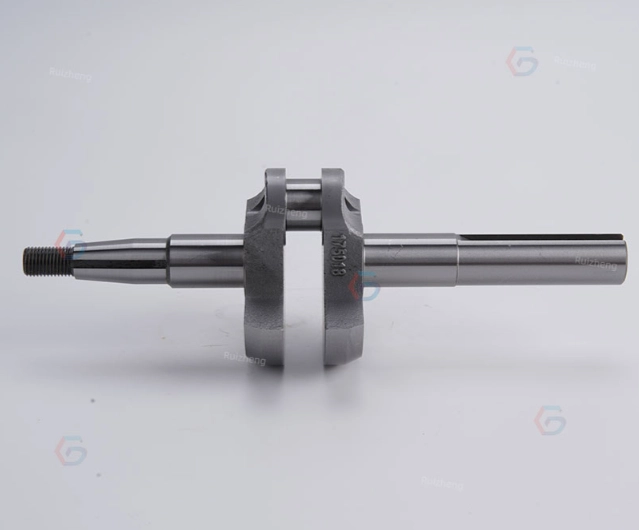
When doing a full engine update, you need pieces that join just right, made to the best possible rules. You need a steady making team able to give high-exact machine tool pieces and machine gear core pieces. Such a team turns your ideas into safe, working parts that boost your setup’s power without risks.
Here is how top making leads to real gains for your strong setups: These benefits come from careful work that fits your needs and helps you reach better results on the track or water.
Uncompromising Precision for Perfect Fitment: In the area of strong engines, gaps decide if it lasts. Our picked making spot reaches cutting exactness up to 0.001 mm. This fine limit holds because the steady heat check room keeps measure exactness. For you, this means the oil gap between your updated connecting rods and your new shaft will be spot on. A right oil layer stops metal-on-metal touch, fully cutting the worry of bearing break or rod knock when you push your go-kart or UTV to the limit. This exact fit also means less oil use and smoother starts every time.
Extreme Durability for Harsh Environments: Whether you are moving through salt water with boat gear or crossing icy paths with a snowmobile, your engine pieces meet tough spots. By using favored materials such as alloy steel and stainless steel, and backing better heat process, the lasting power of your engine grows a lot. These materials fight the wear and heat pressure that make basic pieces break. In rough conditions, this means fewer stops for fixes and more time enjoying your ride.
Optimized Performance Through Advanced Engineering: For fast speed spots, fixing center match and material heat process fixes is a must. When you need special Crankshaft custom machining, teaming with a shop that firmly uses the ISO 9001 quality management system makes sure every part is without fault. All products face first-piece check, full-step check, and end check before send. This strict testing makes certain that your one or two-cylinder engine will spin easier, stay cooler, and give full power without pause. Better flow means you get more from your fuel and less wear over long runs.
Bring Your Engine Build to Life
You pictured the ideal, high-power system for your fun or work vehicle. Now is the time to make that picture into a steady fact. Starting this way ensures your project meets your goals.
Teaming with a top making group means you get unmatched help from idea to fact. If you have a special engine plan, the spot focuses on making unusual parts from customer 2D/3D sketches. You do not have to wonder about joining; skilled fixers give use tips and join ideas , and they can even give join gap tips to make sure your build goes well. This full guide helps you avoid errors and speeds up your work.
The whole flow is set for your ease and calm mind. You can ask for quick sketch check and price in 24 hours, letting your project move on without holds. To cut buying risks more, the shop backs sending tests before group making. This lets you test the custom connecting rods and shafts in your own ATV, drone, or outboard motor before a big buy. Hands-on checks build trust and let you adjust plans early if needed.
Do not let weak, basic-cast rods spoil your costly new updates. Guard your spend and max your power give by making sure your full turning group is shaped for top standard. Reach your exact cutting team now for a custom price, and lock in the steadiness and work your engine really needs. This step will pay off in safer runs and better joy from your gear.
FAQ
Q: What is the delivery cycle for custom engine components?
A: The delivery cycle is typically 20-30 days for ordinary parts and 40-60 days for high-end precision parts. Knowing these times helps you plan your next steps without surprises.
Q: Do you support customization according to drawings for unique engine builds?
A: Yes, we specialize in customizing non-standard parts based on customer 2D/3D drawings, ensuring a perfect fit for your specific application. This approach matches your vision exactly.
Q: Can you do a small batch trial production before I commit to a large order?
A: Yes, we support cooperation in the proofing and trial production stages, allowing you to verify the quality and fitment of the parts firsthand. Trials like this reduce doubts and build confidence in your choice.

