
Have you thought about how your whole production setup depends on a part that is usually no wider than an arm? In the area of close-tolerance making, the spindle does more than spin. It acts as the core of your equipment. This holds true whether you build detailed industrial machinery or improve tool attachments for machines. The gap between gear that runs for years and one that breaks soon often depends on small changes in how you customize it.
Such details matter a great deal in daily work. They affect speed and cost. Good choices lead to better results over time.
Foshan Ruizheng Machinery Manufacturing Co., Ltd. is that helper. Since 2013, they have changed from a focused shop into a current top name in close-tolerance making. They focus on special shaft pieces, parts for factory gear, and main parts for robot setups. When you team up with them, you do more than get a piece. You use a plant with auto robot tools and a steady-heat check room. This makes sure each part hits a finish closeness of 0.001mm. Their group handles your flat and 3D sketches with care. They give cost checks in one day. They back small test runs to ongoing project output.
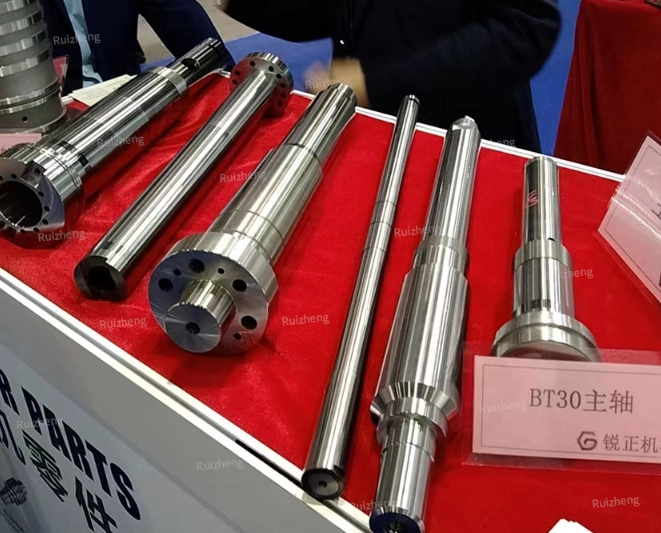
Why Your Spindle Design Dictates Your Machine’s Future
When you start making custom spindles, think beyond basic sizes. A spindle for industrial machinery must deal with strong force while keeping even spin. If your plan ignores how the shaft works with its cover, you may face early bearing breaks and too much shaking.
These risks show up in real use. They slow down work. They raise fix costs. Smart planning avoids such problems.
Picking the correct making method makes sure your factory gear stays steady in fast and heavy use. This steadiness begins with a close look at how the spindle links with other machine tool parts. You seek outcomes that bring:
Thermal Stability: Making sure the part does not bend as heat builds during runs.
Rotational Accuracy: Cutting wobble to lengthen the life of your machine tool attachments.
Mechanical Strength: Choosing metals that take the turning force of current industrial main machines.
Each of these benefits helps your setup run better. They cut down on stops. They boost overall output. You gain from less worry and more focus on main tasks.
1. Prioritize Material Integrity and Heat Treatment
The main advice for good customization starts with knowing a spindle works based on its metal base. For strong factory gear, choose alloy steel and stainless steel. These metals offer the right mix of bend and power needed for close cutting.
But the base metal tells only part of the tale. To really improve your custom spindle, add skilled heat work. Why does this matter to you?
Surface Hardness: Heat work boosts fight against scrapes. This is key for parts that touch bearings or seals.
Core Toughness: It makes the shaft take hits without cracking in quick load shifts.
Stress Relief: Right cooling stops the metal from shifting or bending after the last close grind.
By paying attention to these metal bases, you build a part that goes beyond sketch lines. It holds up to factory demands.
This approach saves money in the end. It reduces early fixes. Your gear lasts longer with less effort.
2. Demand Micro-Level Precision (0.001mm)
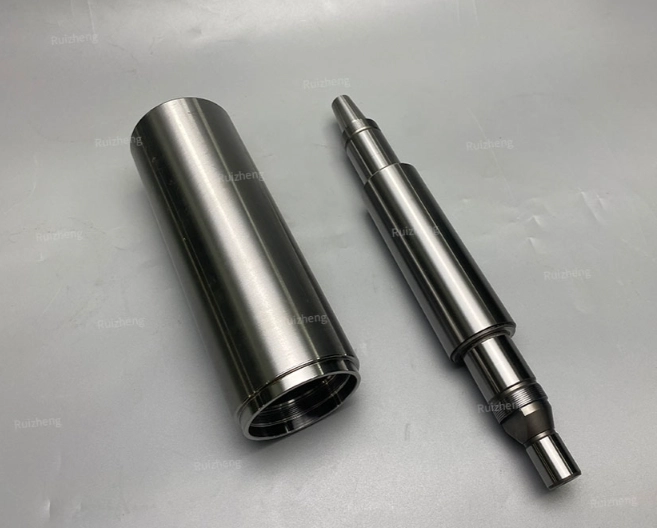
Basic cutting works fine for common tools. But for spindle parts, basic leads to trouble. When you seek custom spindle part processing, call for a gap level of 0.001mm.
Hitting this closeness takes more than a new lathe. It needs a steady setting. Top makers use even-heat check rooms. This keeps heat growth from messing up size data. This setting is vital for:
Concentricity Optimization: In quick runs, a tiny bit off can cause spin imbalance. This leads to loud sounds and setup breaks.
Fitting Precision: Making sure bearing spots and edges match with no loose space.
Consistency: Each item in a group must match the first check. This keeps your putting-together line solid.
These steps make your parts reliable. They fit right the first time. Your work flows without hitches.
In the end, this closeness pays off. It cuts errors. It speeds up builds.
3. Leverage Specialized Engineering Expertise Early
A frequent error in spindle customization is locking in a plan without asking the maker. A skilled helper gives more than work. They share views on how to build it that save you lots in making costs.
Early input changes everything. It spots issues fast. It improves the final product.
When you send your flat or 3D sketches, seek a helper who gives quick checks, best in a day. This teamwork lets you:
Refine Tolerances: At times, a small change in a less key gap can drop cutting costs a lot. It does not harm how it works.
Receive Assembly Advice: Skilled makers can give tips on put-together gaps. This makes the last match between the spindle and other machine tool links smooth.
Validate via Small Batches: Do not rush to big runs. Use small test output to check the plan in actual spots before a full order.
This kind of help builds trust. It makes the process easy. You end up with better gear.
Partners like Ruizheng bring years of skill. They guide you through choices. Your project succeeds faster.
Ensuring Reliability Through Certified Quality
You cannot risk not knowing if parts meet world rules. When your industrial machinery heads to world markets, parts must follow quality marks of Europe and North America.
A solid making flow rests on known marks and strict check steps:
ISO 9001 Implementation: This makes every making step follow a written, repeatable quality plan.
Documented Transparency: You get SGS check papers, metal lists, and RoHS marks when asked. This meets your own quality needs.
Full-Cycle Inspection: Quality covers more than the end check. It includes first-piece look, ongoing watch, and last send-off review.
This watch level brings calm. Parts reach your spot ready to join right away.
With Ruizheng, you get full proof. Their marks build your trust. Exports go smooth.
Global Logistics and Seamless Integration
The last part of custom spindle work is getting the pieces to you. Close parts are sensitive. They need good packing and sure send ways. If you run a plant or fix gear, you want choices in how you get and pay for orders.
Right logistics ease your day. They cut delays. They fit your needs.
Current send help should cover:
Flexible Shipping: Choices for world fast mail, plane, and boat to weigh cost and quickness.
DDP Services: Delivered Duty Paid (DDP) choices make bring-in easy. You get parts without customs stress.
Complete Documentation: Early bills, English pack lists, and start papers should be usual for easy rule clear.
Technical After-Sales: If a problem comes in joining, you get video help to fix it live.
By using these tips, with focus on metal base, call for tiny closeness, and team with a build-led maker, you make custom spindles a lasting help. They do not become fix burdens.
This path leads to strong gains. Your machines run true. Costs drop over time. Choose partners who deliver this value.
Ruizheng stands ready to support. Their full service fits your goals. Start your project with confidence.
Frequently Asked Questions
Q: What is the typical lead time for custom spindle components?
A: For regular special parts, look for a send cycle of 20-30 days. But for top close parts that need harder cutting and checks, the cycle often falls between 40-60 days.
Q: Can I start with a small trial order before moving to mass production?
A: Yes, the flow backs teamwork in sample and test making steps. You can ask for samples to check quality and match before a full group order.
Q: Do you provide support for how the spindle should fit into my existing assembly?
A: Yes. Past making, you get tips on join gaps and use guides. This makes the part blend well with your machine tool pieces.

