
In the busy field of factory making, the gap between a well-working device and an expensive breakdown often comes down to tiny measures. Equipment that runs under heavy pressure or fast motion depends on the exactness of each inside part to set the full system’s working life.

Why Precision is the Silent Guardian of Your Mechanical Integrity
Think about how a small flaw in a shaft might add up to lost work time for your company. In factory tools—such as four-axis turntables or detailed robotic arms—shaking stands as the main foe. A shift as minor as 0.001mm might cause unevenness. This leads to early damage, extra sound, and final lock-up of the mechanism.
Moving the norm to 0.001mm tolerance means more than getting a single piece. It acts as protection for your gear’s steadiness. This fine level keeps fast turns fully aligned. As a result, rubbing and warmth rise drop. For firms dealing with tool machines and key parts in factory setups, such small care turns into large gains via fewer fix rounds.
Beyond the Surface: The Real Value of Accurate Machining
People often see “accuracy” as just a tech detail. But for buyers or main engineers, it solves key troubles. These include three main areas of concern.
- Operational Stability: Pieces join right away without hand tweaks or warm-up times.
- Energy Efficiency: Less rubbing lets motors and drives—from UTVs to main factory machines—work with reduced pushback.
- Brand Reputation: End items like snowmobiles or boat motors hold up in use. This builds a stronger spot in the market.
High-Performance Engine Components: The Core of Your Power System
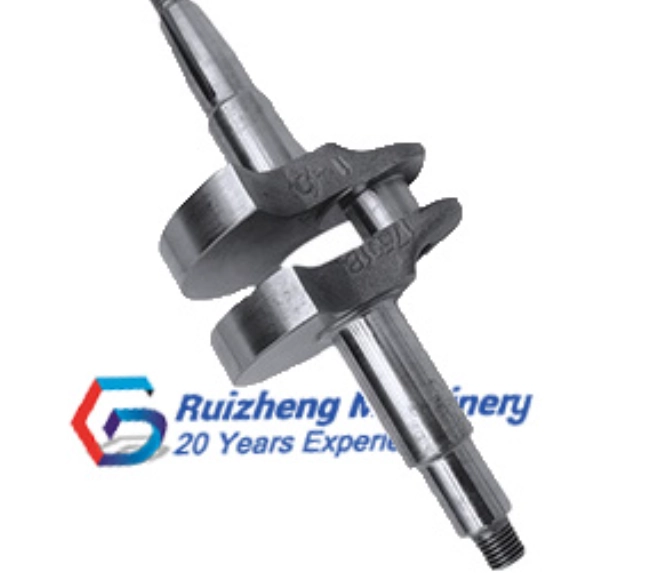
Power setups in tough spots, like those in ATVs, go-karts, or powered parachutes, count on smooth matching of inner pieces. The engine’s center—made of the crankshaft, camshaft, piston, and connecting rod—handles thousands of turns each minute.
Building fuel-driven factory drones raises the bar higher. Steady flight rests on the engine’s skill to keep even pull without wild shakes. Here, focused building turns vital. A Custom DRONE crankshaft made for fuel-powered industrial UAVs makes sure the power source gives steady work. Even hard delivery runs benefit from this.
Master the Single and Twin-Cylinder Challenge
Single-cylinder engines for yard tools or twin-cylinder ones for snowmobiles both need spot-on inner shapes.
- Crankshafts and Camshafts: They form the base for timing and power flow. The method improves alignment for even energy pass.
- Pistons and Connecting Rods: Well-balanced and shaped pieces cut the pounding in the tube. This lengthens the engine shell’s time.
- Engine Casings and Covers: Even flat join faces stop oil spills and hold inner push. Such steps matter for boat outboards and wave riders.
A Partner Who Speaks the Language of Precision
Locating a provider who handles your plans with care proves tough. Beyond a basic shop, a skilled teammate extends your own line of work.
Meet a group that fully commits to fine factory work. Foshan Ruizheng goes past a usual plant. They grew from a tiny turning shop in 2013 to a strong modern base. With steady-heat test rooms and auto robot aids, they reach the hard-to-get 0.001mm care for shaft pieces and robot bits. Their edge lies in a personal touch. Rather than just send items, they give join tips and video help for real floor issues.
Services That Adapt to Your Project Lifecycle
Project wants shift from idea to real item. A service setup should bend like your plans.
- Fast Evaluation: No need for long waits on bids. Get a full check of 2D or 3D plans in a day.
- Material Integrity: From mix steel to rust-proof types, each bit gets pro warmth care (HRC) for your set firmness needs.
- Trial Production: Test small runs first. Check if limits fit your true use before big makes.
- Customized Documentation: Ease border checks and standard reviews with full stuff lists, RoHS papers, and size check reports.
Transforming Technical Requirements into Competitive Advantages
The pick stands clear. Go for usual pieces that risk usual breakdowns. Or, put money into bits that lift your gear’s work. Fine shaping for tool add-ons or factory part choices sets you to guide the field, not trail it.
Fine work builds the base of steadiness. Boat drives, UTVs, or factory bots that run smooth under load catch buyer eyes. That win begins with one 0.001mm check.
Conclusion
In the demanding world of industrial machinery and high-performance engines, settling for average components is a risk you cannot afford to take. Whether you are assembling power systems for rugged ATVs, twin-cylinder snowmobiles, or critical marine outboard engines, the microscopic details dictate your long-term success.
Precision machining is not merely a technical specification; it is your ultimate competitive advantage. By integrating 0.001mm tolerance engine parts into your builds, you guarantee operational stability, minimize friction, and extend the lifespan of your core equipment. You deserve a manufacturing partner who treats your blueprints with absolute rigor. Stop letting subpar components compromise your engineering brilliance. Elevate your production standards and deliver machinery your clients trust unconditionally.
Ready to Upgrade Your Precision?
Take the next step in securing unparalleled reliability for your industrial equipment. Reach out today to discuss your 2D/3D drawings, request a fast 24-hour quotation, or arrange a small-batch trial. We are ready to provide usage guidance, assembly suggestions, and dedicated video support.
Contact Us
- Inquiries & Quotes: Send us your specifications to get started.
- Global Delivery: We arrange international express, air, and sea transportation, fully supporting DDP services for your convenience.
FAQ
Q: Can you support specialized customization based on my specific 3D drawings?
A: Yes. We focus on tailoring odd parts from your special 2D or 3D tech plans. The end item fits your clear design rules.
Q: What is the typical lead time for high-end precision components?
A: Normal bits need 20-30 days. Top fine pieces with hard shaping or warmth care take 40-60 days. This covers all standard tests.
Q: Is it possible to test the quality with a small batch before a large order?
A: Yes. We back work in sample and test make steps. Run a small group to check work before full runs.

