
Introduction
Ever hit a snag in a project because a part didn’t fit quite right? In precision manufacturing, those headaches disappear with the right team. Consider Foshan Ruizheng Machinery Manufacturing Co., Ltd., a standout in crafting high-precision shaft components. Since kicking off in 2013 as a small lathe shop in Foshan, China, it’s grown into a go-to for custom, non-standard parts. Imagine a crew that’s scaled from a few machinists to pros handling lathes, milling machines, grinders, temperature-controlled testing rooms, and robotic systems for loading and unloading. They focus on shafts, flanges, and bearing seats—key pieces that drive industrial machines.
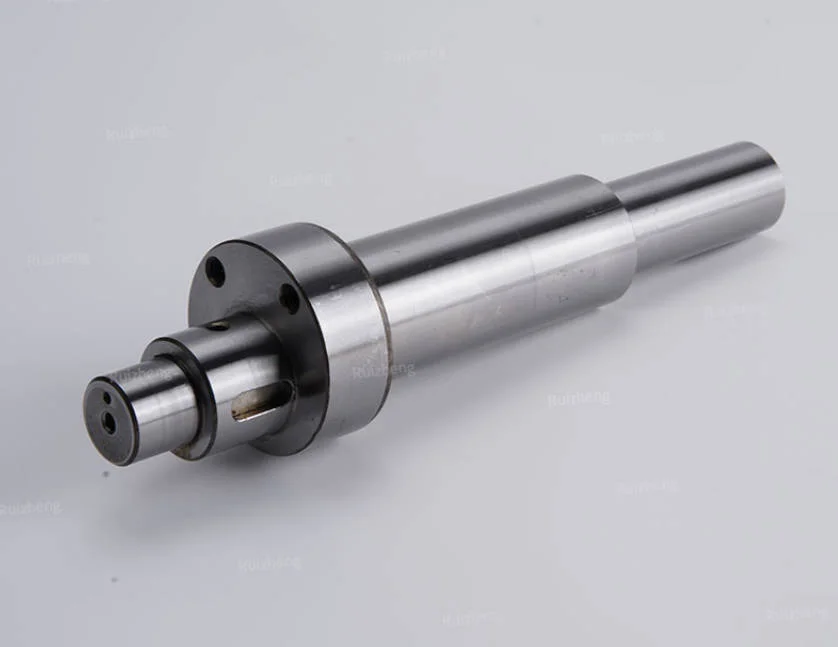
What makes them special? A sharp focus on accuracy down to 0.001 mm, backed by ISO 9001 certification, SGS reports, and National High-tech Enterprise status. Their parts meet European and American standards, with material reports and RoHS compliance available on request. Clients stretch across Europe, the U.S., Japan, and Southeast Asia, including long-term partners in automation and robotics. They’ve hit major trade shows like EMO in Germany and Metalloobrabotka in Russia, building a tight-knit global network. If your shop deals in machine tools or industrial gear, teaming up with Ruizheng means dependable parts that keep your work flowing smoothly, free from quality hiccups. Their track record, serving robotics and high-end equipment leaders, proves they deliver the precision edge you need.
Now, let’s dig into why CNC machines rely on so many tools. Precision parts like eccentric shafts demand exact features. That’s where tool variety comes into play.
The Complexity of Precision Parts
Your parts might seem simple at first, but they hide layers of detail. Take an eccentric shaft, for example. It has multiple arms, counterweights, and keyways, each needing specific shapes to ensure smooth rotation. The offset design requires tight control—eccentricity at 0.005 mm and cylindrical accuracy at 0.003 mm. These features guarantee reliable power transfer in tough setups.
These designs go beyond basic shapes. You need rounded journals for low friction, flat surfaces for mounting, and grooves for keys to lock parts in place. Materials add complexity. Alloy steel offers strength. Stainless steel fights rust. Heat treatment boosts hardness to HRC levels that resist wear.
This intricacy ties straight to your CNC setup. One tool can’t handle every detail. You move from rough cuts to fine finishes. This leads us to why multiple tools are a must.
Why CNC Machines Need Multiple Tools
You start a CNC job, and the part’s shape immediately shapes your tool choices. Begin with turning tools for the cylindrical base. In a custom processing of eccentric shaft, these tools form the main journals and pins, setting up the core rotation path. Rough turning clears away material quickly. It paves the way for finer steps.
Cylinders are just the beginning. Milling tools jump in for flat faces, slots, or tricky offsets. An eccentric shaft needs this precision. Milling shapes the off-center profile for its unique motion. Without a sharp end mill or face mill, hitting those offsets accurately is tough. You risk vibrations that cut part life short.
Grinding tools finish the job. You use them last to get surface finishes like Ra 0.1, smoothing out marks from earlier cuts. For bearing seats or flange faces, this step ensures tolerances that prevent leaks or misalignment in your machine tools.
Special tools tackle extras. Broaching cuts keyways cleanly. Honing refines bores for perfect fits. Heat-treated surfaces may need diamond tools to avoid cracks. Each tool switch, programmed into your CNC, keeps work efficient. It cuts setup time between tasks.
The pattern is clear. No single tool handles every surface or tolerance. In high-load cases, like a five-axis turntable, skipping a tool risks reliability. This variety builds parts that thrive under speed and stress. It feeds directly into the strengths these components bring to your projects.
Product Advantages in CNC Machining

You choose parts that fit and perform well. That’s where pinpoint accuracy shines. Tolerances reach 0.001 mm, ensuring your spindle stays steady without wobble. This precision supports high-speed spins in machine tool attachments. Even tiny errors affect cut quality.
Material choices boost performance. Alloy steels, heat-treated to HRC 58-62, resist fatigue for long cycles. Stainless options handle humid shops, keeping rust at bay—perfect for dynamic arms in industrial setups.
Customization makes it work. You provide 2D or 3D drawings, and production matches your specs, from prototypes to full runs. This means no compromises. Every flange or bearing seat fits your design perfectly.
Reliability comes from quality checks. First-piece inspections spot issues early. Ongoing monitoring tracks every cut. Final checks in a temperature-controlled room ensure measurements are spot-on. You get parts that meet global standards, ready for your equipment without fixes.
These benefits cut downtime in your shop. A well-machined eccentric shaft, like in a custom processing of eccentric shaft, delivers steady torque. It lets your CNC tackle complex paths easily. These are parts that work hard, so you don’t have to.
Applications of Precision Shaft Components
Your systems depend on these shafts, and their role shines in daily use. In machine tools, an eccentric shaft drives the spindle, turning motor power into precise rotation. You need it for milling slots or threading holes, where consistent torque keeps feeds steady.
Bearing seats secure these drives. You bolt them into frames, and their ground surfaces ensure no play. This is key for multi-axis setups like four- or five-axis turntables. The shaft’s keyway locks rotation, preventing slips during heavy cuts.
Industrial equipment relies on flanges for connections. You join sections with these, and their machined faces seal against pressure, common in coolant lines or gear housings. Eccentric shafts excel in adjustment mechanisms. You tweak offsets for alignment in robotic linkages, fine-tuning motion for pick-and-place tasks.
In humanoid robot arms, these parts form joints. You need low-friction journals for smooth movement, lasting thousands of cycles without wear. The tool variety in their production ensures IT6 or IT7 precision grades, meeting the needs of coordinated axes.
Across these uses, the benefits show up. Your setups run faster with less vibration, shortening cycle times. A failing part disrupts everything—a mother machine’s downtime hits the whole line. Strong shafts keep that chain solid, proving their value in real workflows.
Comprehensive Service and Support
You launch a project, and fast feedback keeps things moving. Drawings get reviewed and quoted in 24 hours, so you plan without delays. Samples ship before big runs, letting you test fits early.
Cooperation matches your needs—short projects or steady supply. Small batches work for trials, scaling as you commit. Payments include wire transfers or Alipay, simplifying global deals.
Shipping covers the rest. Express delivers prototypes fast. Air or sea handles larger orders, with DDP to ease customs. You get packing lists, invoices, and origin certificates in English or Chinese.
After delivery, video guidance helps with assembly tweaks or tolerance tips. Quality issues trigger returns with detailed defect reports—no guesswork on solutions. Custom parts are final once confirmed, but you shape details upfront.
This support fits your needs, turning orders into partnerships. It leads naturally to why tool variety drives these results.
Conclusion and Contact
You now see why CNC machines need diverse tools—to handle complex shapes, hit tight tolerances, and deliver durable parts like eccentric shafts. These components power your machine tools and industrial gear, boosting efficiency across your work.
Teaming up with a precision machining expert unlocks that potential. Advanced tools and strict checks mean parts that fit perfectly, cutting your risks and costs.
Ready to explore custom solutions? Reach out for quotes, samples, or chats about your next project. Visit the contact page to connect—your precision edge is waiting.
FAQs
Q: How do I start with custom shaft machining?
A: Send your 2D or 3D drawings for a quick review and quote within 24 hours. Samples follow to confirm the design before production scales up.
Q: What materials work best for high-load machine tool parts?
A: Alloy steels, heat-treated to HRC 58-62, provide top strength. Stainless steels resist rust in tough environments, tailored to your specs.
Q: Can small batches fit my prototyping phase?
A: Yes, trial runs support low volumes. Full inspections ensure quality matches larger orders from the start.

