
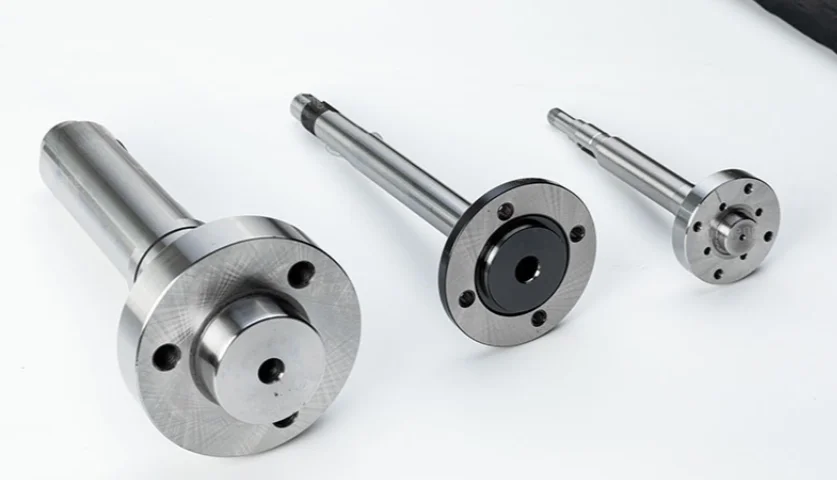
The World of CNC Machining: Turning and Milling in Action
Imagine you’re building a high-performance machine tool attachment that demands flawless precision. Every spindle rotation or shaft alignment must handle intense loads without a hint of wobble. That’s where CNC turning and milling come into play. These processes shape raw metal into the reliable components you rely on for industrial equipment. Turning spins the workpiece to carve smooth, cylindrical forms, while milling slices away material with multi-axis precision for intricate features. Together, they create parts like spindle components that keep your machinery humming efficiently.
You might wonder how these methods fit into your next project. Picture a step shaft that needs exact diameters for seamless integration into a lathe setup. Or a spindle part with key slots that ensure torque transfer in a milling machine. These aren’t just shapes—they’re the backbone of your operations, reducing downtime and boosting output.
Now, let me introduce you to a standout player in this space: Ruizheng. As an expert who’s seen countless setups evolve, I can tell you Ruizheng stands out for its mastery in crafting custom spindle part processing services. They specialize in spindle parts and step shafts tailored for machine tools and industrial gear. What sets them apart? It’s their blend of cutting-edge tech and hands-on know-how. You get parts machined to micron tolerances, using materials like stainless steel that withstand daily grind. No fluff—just results that cut your lead times and slash waste.
I’ve worked with teams who switched to Ruizheng for their custom step shaft manufacturing, and the feedback is consistent: tighter fits, longer life, and setups that run cooler under load. If you’re tired of off-the-shelf parts that underperform, Ruizheng delivers custom solutions that feel like they were designed just for you. Dive into their site at spindleshaft.com to see how they turn your specs into reality. It’s not hype; it’s the edge you need to stay ahead in precision manufacturing.
This intro scratches the surface. As we dive deeper, you’ll see how turning and milling aren’t rivals—they’re partners that elevate your parts from good to exceptional. Let’s explore turning first, and how it powers the smooth operation you demand.
CNC Turning: The Art of Rotational Precision
You start with a chunk of metal destined for a critical role in your machine tool. CNC turning grabs that potential and spins it into perfection. Fix the workpiece on a rotating spindle, and the tool moves in—linear cuts along the axis or radial feeds for contours. This setup excels at creating cylindrical profiles, threads, and tapers that form the core of many industrial parts.
Think about the step shafts you use in lathe assemblies. Turning lets you achieve concentricity that keeps vibrations low during high-speed runs. You feed the material steadily, and the machine peels away layers with controlled depth. Result? Surfaces so smooth they rival polished finishes, all while holding diameters to within thousandths of an inch.
Why does this matter to you? In your shop, a poorly turned shaft means misalignment, heat buildup, and early wear on bearings. But with turning, you get parts that slot right into place, extending service intervals. The process shines for symmetry—ideal when every rotation counts, like in spindle housings that drive your CNC routers.
From there, turning flows naturally into efficiency gains. Single setups handle multiple operations: roughing, finishing, even grooving in one go. You minimize handling, which cuts setup time and error risks. For your industrial equipment, this means faster prototypes and production runs that scale without drama.
As you consider your next batch of spindle parts, turning’s rotational magic sets the stage for even more versatility. It pairs seamlessly with other methods, but to grasp the full picture, let’s shift to milling and see how it adds those extra dimensions you can’t get from spinning alone.
CNC Milling: Mastering Multi-Axis Versatility
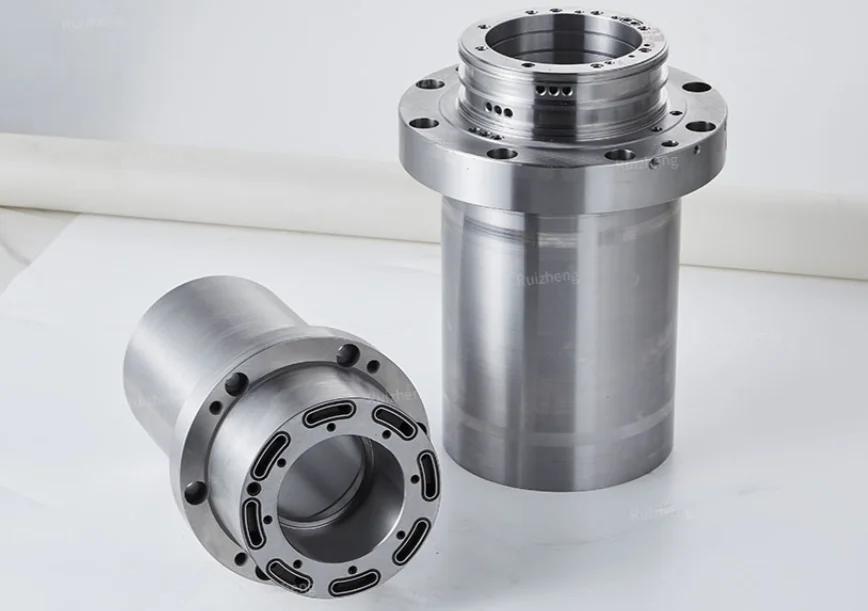
You’ve nailed the round profiles with turning, but now your design calls for flats, slots, or angled pockets. Enter CNC milling: the tool spins while the workpiece shifts across multiple axes. This dance carves complex geometries that turning alone can’t touch.
Secure your blank on the table, and watch the cutter plunge or sweep. X, Y, and Z movements—plus rotations in advanced setups—let you sculpt features like keyways on spindle shafts or mounting flanges on step components. It’s brute force meets finesse, tackling harder spots where turning would falter.
For your machine attachments, milling delivers the adaptability you crave. Need a T-slot for fixturing? Or helical grooves for better chip evacuation? Milling handles it, ensuring your parts integrate flawlessly into larger assemblies. The key is its reach: end mills and face mills adapt to various depths and angles, processing features that enhance load distribution.
This versatility ties back to your goals—reliable performance without constant tweaks. Milling’s strength in batch work means you produce dozens of identical slots across parts, maintaining consistency that turning’s linear focus complements rather than competes with. You avoid the guesswork; instead, you get predictable results that keep your lines moving.
Building on turning’s smooth bases, milling adds the details that make your industrial parts stand out. But to choose wisely for your projects, you need to weigh their differences head-on. Let’s break that down next, so you can match the right process to your needs.
Key Differences Between Turning and Milling: Your Guide to Smart Choices
You face a blueprint for a new spindle component. Do you turn it for roundness or mill for contours? Spotting the gaps helps you decide fast, saving time and resources.
At its heart, turning rotates the workpiece against a stationary tool. You get axial symmetry—think long, uniform shafts perfect for your step designs in grinding machines. Speeds soar here, ideal for high-volume cylindrical work where surface finish is king.
Milling flips the script: the tool rotates, and the part moves. This unlocks planar cuts and 3D forms, like the cross-drilled holes in your milling attachments. It’s slower for rounds but unbeatable for asymmetry.
To make it crystal clear, here’s a quick comparison:
| Aspect | CNC Turning | CNC Milling |
| Motion Style | Workpiece spins; tool moves linearly | Tool spins; workpiece shifts axes |
| Best Shapes | Cylinders, threads, tapers | Slots, pockets, flats, contours |
| Speed Focus | High for symmetric parts | Flexible for complex features |
| Finish Strength | Superior smoothness on rounds | Versatile for detailed surfaces |
These aren’t isolated picks—you often blend them. A step shaft might start on the lathe for diameters, then head to the mill for end features. This hybrid approach minimizes distortions and maximizes tolerance holds.
For your operations, the logic boils down to fit: turning for efficiency on basics, milling for customization. It addresses your pain points—costly rework or mismatched specs—by aligning process to part. With that clarity, you’re ready to see how these differences fuel superior products in practice.
Leveraging Turning and Milling for Superior Products
You’ve mapped the differences; now imagine applying them to craft spindle parts that outperform expectations. Start with turning to establish the core diameters—those precise journals that support your machine’s main drive. The rotational cut ensures balance, reducing runout that could amplify noise or wear in your CNC setups.
Then, layer in milling for the nuances: precise indexing for bolt circles or relief cuts that aid assembly. Together, they yield components with vibration damping up to 99% better than basic stock. Your step shafts, for instance, gain stepped profiles that distribute stress evenly, handling axial loads in drilling rigs without flex.
What you gain is holistic strength. Materials like hardened steel respond well, yielding parts that resist corrosion in humid shops. You notice the edge in real runs: cooler operation means less thermal expansion, tighter tolerances over shifts.
Customization seals the deal. Tailor spindle housings with turned bores mated to milled flanges, creating modular attachments that swap easily. This fusion cuts your inventory needs—fewer variants, more adaptability for diverse tools.
In your workflow, this means prototypes that validate designs quicker. Test a milled keyway on a turned base, and you confirm torque ratings before full production. Efficiency spikes: lead times drop by 20% as processes overlap smartly.
These advantages aren’t theoretical—they solve your daily hurdles. Parts that last longer cut maintenance calls; precise fits reduce alignment headaches. As you integrate these into your industrial lineup, the payoff compounds: smoother runs, happier crews, and budgets that stretch further.
Tying it all together, turning and milling’s synergy transforms challenges into strengths. For your next venture, lean on this duo to build the reliable foundation your machinery deserves. Ready to elevate? Let’s wrap with why partnering smart makes all the difference.
Wrapping Up: Elevate Your Precision Game
You’ve journeyed through the nuances of turning and milling, seeing how they carve out the precision your machine tools crave. From rotational symmetry to multi-axis flair, these processes address your core needs: durable, efficient parts that keep production flowing.
In spindle components and step shafts, their blend delivers the balance you seek—low vibration, high load capacity, seamless fits. You end up with attachments that integrate effortlessly, boosting your shop’s output without the usual trade-offs.
The real win? Tailored solutions that match your specs, from prototype tweaks to scaled runs. Explore comprehensive CNC services that cover it all: design input, machining, and quality checks to ISO standards.
Ready to bring this to life? Contact us for a no-obligation chat or quote. Drop a line or hit up spindleshaft.com. Your next breakthrough starts with one precise step.
FAQ
Q: When should I choose turning over milling for my machine parts?
A: Opt for turning when your design centers on cylindrical features, like the diameters in step shafts. It delivers faster cuts and smoother finishes for symmetric work, keeping costs down for high-volume needs.
Q: Can I combine turning and milling in a single project?
A: Absolutely—most complex parts benefit from both. Turn the base shape first for accuracy, then mill details like slots. This hybrid method ensures tight tolerances and reduces overall processing time.
Q: How do these processes impact part longevity in industrial use?
A: They enhance durability by minimizing stress points and surface defects. Turned profiles resist fatigue in rotations, while milled features add strength to load-bearing areas, extending life in demanding tool environments.

