
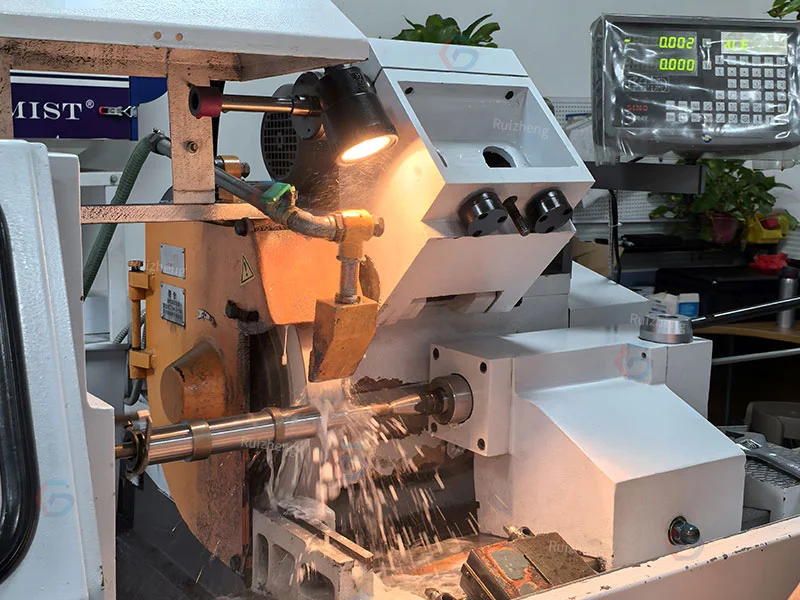
Machining is a cool process that turns raw stuff like metal or plastic into super precise parts. It uses neat methods like turning, milling, drilling, and grinding to shape materials. Awesome tools like CNC, EDM, and laser cutting make the job quick and accurate. Machines such as lathes, mills, and grinders, paired with tough tools like carbide, get sizes perfect—sometimes as tiny as 0.001mm. Checking with tools like CMMs and micrometers ensures every piece is just right. Companies like Ruizheng shine at this. They follow ISO 9001 rules and craft custom parts for people worldwide. New trends like robots and eco-friendly methods are making Machining even better.
What Does Machining Mean and Why Is It Crucial in Manufacturing?
What purpose does it serve in industry?
The goal is to make parts that work perfectly and meet strict standards. Even small mistakes can cause big issues.
Machining starts with a chunk of material. A tool slices off bits to shape it. For example, it can make a rough metal block into a precise gear. The process ensures parts fit together just right. Without it, building complex machines would be tough.
Why does Machining play such a vital role in modern manufacturing?
Machining is key because it makes complex parts in large amounts. It creates things like engine shafts and robot arms with amazing accuracy. Many folks now need high-precision shaft parts, especially for electric cars and medical gear. This shows Machining is a huge part of today’s building work. It helps industries keep up with demand for precise, reliable parts. Without Machining, making intricate stuff fast would be nearly impossible.
Which materials are most commonly used in Machining processes?
Machining works with lots of materials. Common ones include carbon steel, stainless steel, aluminum, titanium, brass, and strong plastics. People often pick alloy steel, stainless steel, or titanium and heat them to make them tougher. These are great for hard jobs, like parts that spin fast or carry heavy loads. Each material has its strengths, so the choice depends on what the part needs to do.
What Are the Core Types of Machining Operations?
How do turning, milling, drilling, and grinding differ from each other—and when should each be used?
Each Machining method has a special role. Here’s how they work:
- Turning: A tool cuts while the material spins quickly. It’s perfect for round things like shafts or bolts. The spinning makes smooth, even cuts.
- Milling: A spinning tool cuts a piece that stays still. It’s good for making slots, pockets, or odd shapes. Mills can handle flat or curved surfaces.
- Drilling: A twirling bit creates round holes in tough materials. It’s used when parts need holes for bolts or fittings.
- Grinding: Rough wheels smooth surfaces or get super exact sizes. It’s great for final touches to make parts super smooth.
These methods often work together. They help make complex parts fast and well. For example, a part might get turned first, then milled for extra details.
What advanced techniques are transforming traditional Machining today?
New ideas are making Machining way cooler.
- CNC (Computer Numerical Control): Machines follow computer plans to move tools. This keeps work steady and reduces mistakes. It’s like giving machines a smart brain.
- EDM (Electrical Discharge Machining): Sparks shape hard materials like tough alloys. It’s great for tricky cuts that regular tools can’t do.
- Laser/Waterjet Cutting: These cut without touching the material. They’re awesome for delicate or heat-sensitive stuff. Lasers use light, and waterjets use high-pressure water.
These tricks make complex shapes quickly and with great accuracy. They help Machining stay modern and fast.
What Tools and Equipment Are Essential in Machining?
Which machine tools are indispensable—and what do they do?
Key machines make Machining possible. Here are the main ones:
- Lathes: Spin materials so tools can cut them. They’re used for turning jobs, like making round parts. The spinning creates smooth shapes.
- Mills: Use spinning cutters on still parts. They shape flat or curvy surfaces, like slots or grooves.
- Grinders: Smooth things with rough wheels. They give parts a super precise finish for tight fits.
- Routers: Like mills but often cut softer stuff like plastic or wood. They’re great for lighter tasks.
Each machine is important for specific shapes or finishes. The right machine depends on the part’s needs.
What types of cutting tools exist—and how do their materials affect performance?
Cutting tools come in different types, and their materials matter:
- Carbide: Stays sharp for a long time. It’s great for fast jobs and tough materials. It saves time by lasting longer.
- High-Speed Steel (HSS): Works well but wears out faster than carbide. It’s good for simpler tasks.
- Ceramics & Coated Tools: Handle super hot jobs. They’re used for tough work, like cutting hard metals.
Choosing the right tool keeps parts high-quality. It also prevents stops to fix worn-out tools. The material affects how long the tool lasts and how well it cuts.
How Does a Standard Machining Operation Flow From Start to Finish?
What steps take you from raw material to finished product?
Machining follows a clear process. It starts before any cutting happens:
- Design & CAD Modeling: Engineers draw plans with exact sizes. They use 2D or 3D models to show what the part should look like.
- Toolpath Programming & Setup: Software plans how machines will move. Workers set up tools and materials to match the plan.
- Cutting & Finishing Operations: Machines cut the material bit by bit. Rough cuts shape it. Fine cuts make it perfect. Sometimes, grinding adds a smooth finish.
Ruizheng is great at making custom parts from your drawings. They ensure every piece matches your needs, even for super tiny measurements. Their process is smooth and reliable.
How Is Quality Maintained Throughout the Machining Process?
Why are tight tolerances and smooth finishes so important—and how are they measured?
Being super exact is critical in Machining. Tolerances show how much a part’s size can vary. For example, a part might need to be within 0.001mm of the plan. Smooth surfaces make parts work better. They reduce friction or help parts seal tightly. This is key for industries like aerospace or medical tools, where mistakes can’t happen.
Quality is checked with special tools. These ensure parts meet strict rules. Accurate parts keep machines running smoothly and safely.
Which inspection methods ensure parts meet specifications?
Quality checks use these tools:
- Coordinate Measuring Machines (CMMs): Measure exact sizes. They check if parts match the design perfectly.
- Optical Comparators: Look at shapes to check them. They help spot errors in outlines.
- Surface Roughness Testers: Test how smooth surfaces are. This ensures parts feel right for their job.
- Micrometers and Calipers: Measure tiny details. They’re used for super small measurements.
Ruizheng checks parts at the start, during, and before shipping. This catches problems early. It keeps projects on track and ensures top quality.
How Does Ruizheng Deliver Precision Machined Parts You Can Rely On?
If you need custom parts with great accuracy, Ruizheng offers full solutions for industrial work. Started in 2013 in Foshan, China, Ruizheng makes high-precision shaft parts and special mechanical pieces. They’ve grown big with lathes, mills, grinders, and robot helpers. They have a special room for checking parts where the temperature stays perfect.
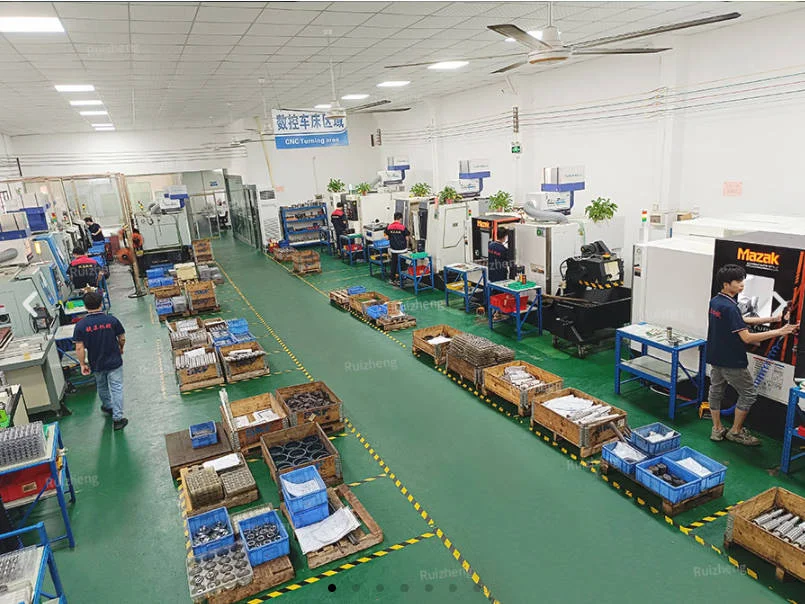
Their products include custom shafts for fast or heavy jobs. They use heat-treated alloy steels or titanium. These parts go into machine tools, industrial gear, four- and five-axis turntables, robot arms, and even humanoid robots. Ruizheng’s work is trusted by robotics firms in Germany and motor makers in Japan. Their ISO 9001 badge proves they care about quality.
Why Should You Choose Ruizheng as Your Precision Machining Partner?
How does this company demonstrate its commitment to quality and innovation?
Ruizheng follows strict ISO 9001 rules. They’ve won China’s National High-Tech Enterprise award. They provide detailed reports, like RoHS compliance, material proofs, and size checks. They even suggest ways to improve assembly if you need help. Their focus on quality and new ideas makes them stand out.
They’re flexible, too. They make sample parts before big orders. This shows they put customers first in a busy market. You can test your designs with them before going all in.
Which industries benefit most from their products?
Ruizheng helps many fields, like electric car parts and medical tools. Their clients are in Europe, the USA, Japan, and Southeast Asia. They’ve shown their work at big shows like Germany’s EMO, Russia’s Metalloobrabotka, and Shenzhen’s Industrial Exhibition for years. This proves they’re a big deal in cars, aerospace, electronics, automation, and medical tech.
Where Is Machining Headed Next?
Will automation redefine how we approach Machining tasks?
You bet it will! CNC machines with robot arms already do “lights-out” work. This means they run without people at night. As smart factories grow with IoT and AI helpers, Machining will get faster. It’ll make way fewer errors, too. Automation is making Machining smarter and more efficient.
Can sustainable practices coexist with high-performance Machining?
Yes, they can! Companies use eco-friendly coolants. They recycle metal scraps into new materials. They plan tool paths to waste less. These steps make Machining kinder to the planet. They don’t hurt quality, either. Green Machining is the future, and it’s already starting.
FAQ
Q1: Can I request custom parts based on my own CAD drawings?
A: Yes! Ruizheng is awesome at making custom parts from your 2D or 3D drawings. They make sure every detail is just what you want.
Q2: What kind of tolerance can I expect from precision-machined parts?
A: Machining can be as exact as 0.001mm. This works for big jobs like aerospace or medical tools.
Q3: Do you support small-batch production before scaling up?
A: Yes! Ruizheng helps with samples and trial runs. This lets you test designs before making lots of parts.

