
Introduction
You often deal with a big piece of steel in your project. It has to turn into a key part for your factory setup. This part keeps things running smooth without problems. That’s when exact machining comes into play. And that’s what pulls you toward pros like Ruizheng. Ruizheng leads in custom machining fixes. They make parts that handle tough daily work in machine tools and factory gear. Their crew mixes years of real-world know-how with top tech. They create pieces that match your exact plans each time. Do you need something vital like a custom crankshaft or detailed valve setups? They manage it with care. This turns big issues into easy fits.
What makes Ruizheng stand out? It’s their straight-up style. They hear your wants. They build prototypes quick. And they ramp up making without cutting corners on standards. Think about this. You upgrade your CNC system. Instead of basic store-bought parts that break too soon, you get custom ones made to last. Their shop buzzes with lathes, mills, and grinders set for fast work. This gives fits that stand up to warmth and shakes. The best thing? They keep it real, like talking to a work buddy who knows your due dates. If you hate sellers who talk big but give junk, check out Ruizheng’s options. It’s the boost your work needs.
Now, let’s hit the main point. Why do your machined bits work well or fail? It’s the clear jobs of roughing and finishing. These two steps form everything from spindles to holders in your shop. You count on them to build solid tools that raise output. We’ll spell out their aims. We’ll show how they run. And we’ll explain why mixing them well can change your outcomes. By the finish, you’ll spot how these steps touch the strength of your machine add-ons and gear insides.
What is Roughing in Machining?
You begin with a firm lump of stuff, don’t you? Roughing starts the trip by cutting off extra to show the basic shape of your piece. This part stresses quickness and amount. It clears out lots of metal fast. So you can shift to better work without losing time.
See it as the hard work step. You boost the feed speeds. You make cuts deeper. And you drive the spindle stronger. Tools in this spot—such as carbide bits with hard covers—take the beating. They break off steel or mixes with little bend. The aim? Reach near your final form speedy. Leave a face that’s bumpy but strong inside. Warmth grows, so coolant pours heavy to hold steady.
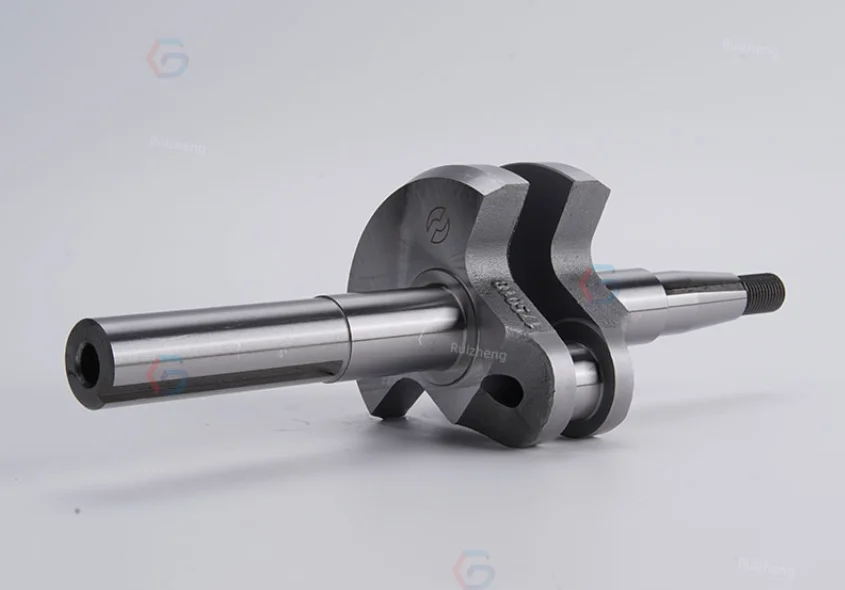
In real use, this lets your machine tool extras shape up fast. Take forming a crankshaft for spindle motors. Roughing cuts the main shafts and arms in one or two goes. You get a item that’s mostly done. It’s set for the next move. And you’ve cut time from the timer—key when you run lots for factory presses or lathe frames.
But roughing goes beyond rush. It lays the base. Bad work here causes off-balances that later steps can’t mend. Like shakes in your turning bits. You need even stock cut to skip soft areas. That’s why experts set numbers based on your stuff’s toughness—say, a harder mix for strong holders. This makes sure the part comes out even and worry-free.
As you move from this bold slice to the soft strokes next, keep this in mind. Roughing makes the frame. Now, shape it into something that shines and holds just right.
What is Finishing in Machining?
You have the main outline set—now the shine makes it work right. Finishing sharpens that bumpy form into an exact item. It sets fits and faces that count for easy run in your system.
This part changes pace to handle and skill. You lighten the depths. You slow the feeds. And you use soft passes. Tools turn to keener points—maybe diamond ends for super-smooth ends. This cuts noise and warmth. The payoff? A face that lowers pull, closes firm, and holds up longer under weight.
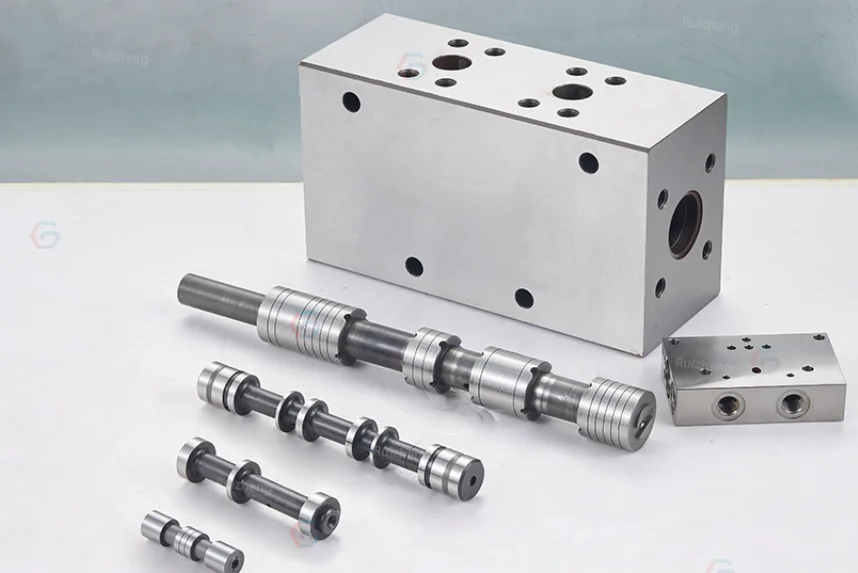
Put this on valve cores in your fluid setups. And you see the win. Finishing lines up the holes and rests. It hits fits that stop drips in high-push pipes for pumps or movers. You reach Ra levels below 0.8 microns. That means less rub and grind on pair parts. It’s what sets apart a bit that runs quiet from one that stops quick.
Still, finishing needs calm. You check often—small rulers, CMMs—to nail those close specs. Like ±0.005 mm on key widths. Go too hard, and you add rough edges. Skip too much, and work drops. The trick is steady, repeat passes that boost not hurt the main power from roughing.
With the sides honed and faces locked, you’re ready to match how these parts aid each other. This team work makes sure your factory bits don’t just slot—they do great.
Key Differences Between Roughing and Finishing
Seeing the gap between these steps hones your check for good work. Roughing tears through stuff like a big digger. Finishing carves like a small knife. You catch it in each slice. One picks flow, the other close work.
Look at the aims first. Roughing wants to clear 70-90% of extra stock swift. It often leaves 1-2 mm for after. You accept a rougher face—maybe 50-100 microns Ra. Speed beats gloss here. Finishing goes for that last bit. It chases tiny-smooth and shapes that lock in work.
Tools show this break. In roughing, you pick heavy end mills or face mills with many edges for chip clear. They fade quicker under push but open ways fast. Finishing picks one-point tools or smoothers. They’re made for long life and edge hold. They slide over faces without cuts.
Rates and feeds tell it clear too. Roughing heats up—high turns, bold drops—to eat metal quick. But you eye tool bend that might twist your spindle rods. Finishing cools down. Lower turns, up-mill to cut clean. This gives bits that join without loose.
Here’s a fast match-up to fix it:
| Aspect | Roughing | Finishing |
| Primary Focus | Bulk material removal | Dimensional accuracy and surface quality |
| Removal Rate | High (0.5-2 mm per pass) | Low (0.01-0.1 mm per pass) |
| Surface Finish (Ra) | 25-50 microns | 0.4-1.6 microns |
| Tool Type | Coated carbide inserts | Polished HSS or ceramic tips |
| Cycle Time Impact | Shortens overall process | Extends for detail but ensures fit |
These splits aren’t blocks—they’re your pulls for better. In making valve bodies for guide valves, roughing draws the openings. Finishing smooths the rests for no play. You get bits that close under 500 psi without buzz. This cuts stop time in your build lines.
Learning this match fixes your top fear. Will the bit last? Yes, when roughing keeps stock whole and finishing closes it. It points right to why joining them lifts your full flow.
Benefits of Integrated Roughing and Finishing for Precision Components
You balance close times and costs, so why not use how these steps pair? Joining roughing and finishing smooths your road to prime machine add-ons. It drops junk and raises trust.
Quickness rises first. Link the steps on the same rig. You rough a holder base. Then switch to finishing without reset. Run times fall 25-40%. This frees your space for more jobs. For crankshafts that push your grinders, this means test pieces in days, not weeks. With even arms that turn true at 3000 RPM.
Standards come next. Roughing’s deep slices make a worry-free heart. Finishing’s soft strokes add wear hold. You land with insides for gear pumps that fight marks. This stretches check times by 50%. No more shocks like uneven rub on your tool grips.
Tailor work glows here too. Fit roughing to your mix’s cut ease—say, a warmed steel for firm clamps. Then finish to your plan’s bends. This bend lets you pick lighter builds without losing power. Great for tight boxes in your CNC covers.
Money wins lock it. Less setups mean less waste. Close finishes cut after work like edge clean. Over a year, that’s true cash back. Special on repeat lots for valve groups that take sour flows in coat lines.
You’re not just building bits—you’re making run time. This joined flow turns fears about changes into sure in each lot.
Conclusion and Next Steps
You’ve spotted how roughing sets the base and finishing adds the shine. This makes bits that run your work without hitches. From spindle crankshafts to valve cores, these gaps make sure your machine tools and factory gear go cleaner, longer, and wiser.
Set to use this in your next make? Our custom processing for valve cores and bodies waits to fit your plan. Get in touch. Let’s talk plans and dates. Your top bit is close.
FAQ
Q: How do I know if my roughing parameters are right for a specific material?
A: Start with your machine’s RPM and feed charts, adjusted for the alloy’s hardness. Test on scrap to check chip load—aim for continuous curls without built-up edge. Monitor vibration; if it spikes, dial back the depth by 20%.
Q: Can finishing alone fix issues from poor roughing?
A: Not fully. Roughing flaws like deep chatter marks often carry over, forcing extra finishing passes that eat time and tools. Always verify stock after roughing to stay within 1 mm allowance.
Q: What’s the biggest time-saver in combining these processes?
A: Toolpath programming that flows seamlessly from rough to finish on one fixture. This cuts setups by half, letting you focus on output rather than repositioning.

