
Introduction
Picture this. You manage a busy shop. Every link in your industrial gear has to stay solid amid constant strain and shakes. Flanges act as those quiet champs. They are tough links that screw pipes, valves, and shafts into place with sharp exactness. They form tight seals that keep your work running without stops. This holds true whether you handle liquid streams in big machines or lock parts in tool setups.
You may ask why flanges count so much in your routine tasks. They spread out force in even ways. They stop breakdowns that might pause your output. They fit the special calls of your tools. In sharp cutting work, flanges make sure items like valve bodies and cores line up just right. This lifts speed and lasting power. Think of a flange on your valve setup. It fights harsh flows with no trouble. This saves you lost time and fix bills.
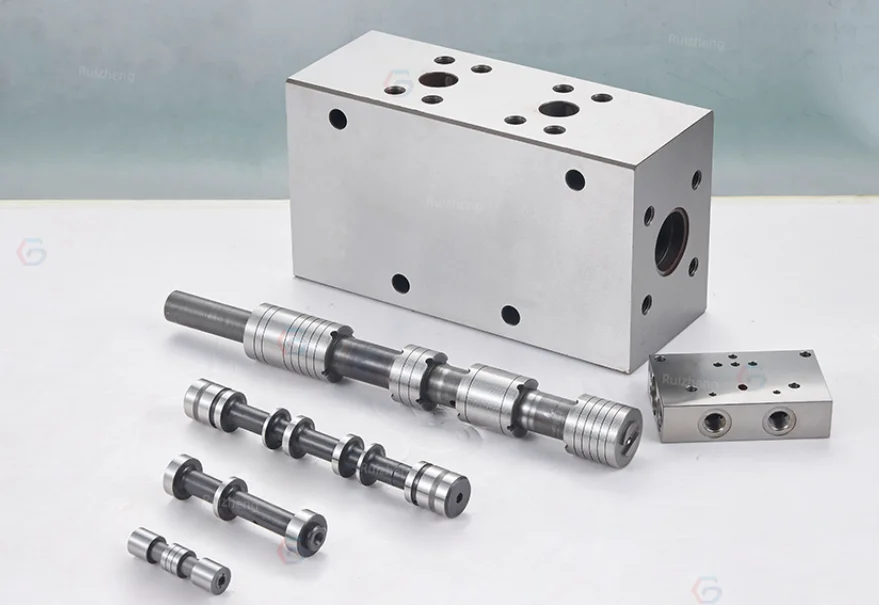
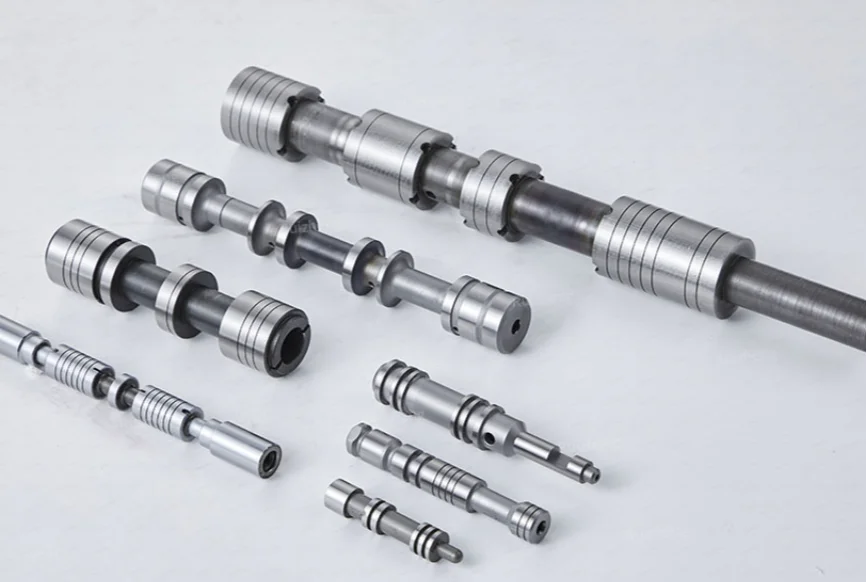
If you hunt for prime fixes for such items, think about experts in CNC sharp work. Ruizheng, a strong force in spindle shafts and made-to-order cutting, builds these must-haves with gaps as small as 0.001mm. Built on long years of direct new ideas, their crew mixes fresh tech with everyday skill to hand over parts that match your clear plans. From first sketch changes to last checks with Zeiss CMM gear, they manage it all in a watched space that skips usual traps like heat twists. It’s more than making. It’s teaming up with you to fix sore spots. Like finding steady valve cores that blend smooth into your lines. With eyes on machine tool add-ons and factory stuff, Ruizheng flips hard jobs into easy wins. They often do it with quicker wait times than you guess. Check their goods. You will spot a sure partner for raising your tasks without the normal woes.
As you dig into flanges more, you will spot how their shapes straight affect your links and the cutting that sparks them to life. We will split it open. We start with the main kinds that fit your wants.
Flange Types: Tailored Choices for Your Precision Needs
You run into picks when you pick flanges. Each kind is made to face set strains in your machine tools or factory gear. These do not fit all. They mirror the pulls of your line. From fast-flow valves to stiff shaft holds.
Weld Neck Flanges: Built for High-Stress Endurance
Kick off with weld neck flanges if your jobs hit hard presses. Their drawn-out, slim necks blend easy into pipes or valve bodies. This cuts swirl and wear at the spot. You land a full-deep weld that clamps all tight. It suits spots where shakes hit hard. Like in spindle-led machine tools.
In real use, team these with made-to-order valve bodies cut to spot-on fits. The plan cuts soft spots. So your gear runs more laps between looks. For example, when you hook a weld neck to a valve core that deals with rough liquids, it steers force off the seal. This drops drip chances by plan.
Slip-On and Socket Weld Flanges: Ease Meets Reliability
Move to slip-on flanges when you put quick sets first without losing grip. These glide over pipe tips and lock with side welds. They make a smart pick for low-to-mid press tubes in your factory pipes. You cut time on lining up. Yet they give firm links for valve groups.
Socket weld kinds push it one more for tinier holes. The socket hugs the pipe tip. It makes a smooth inside rush that fits sharp liquid rule in machine add-ons. Use them for valve cores where room gets tight. You will see less line-up pains in putting together.
Threaded flanges give one more view if welds do not work. Their inside threads grab pipes right. This lets you trade parts fast in fix-up work. In your place, this means less down time when you boost valve bodies for better rush rates.
Blind flanges top off lines for short spells. Lap joint ones let turn tweaks for line-up fixes. Each kind leads smooth into how you link them. This keeps your full setup tied.
Connection Methods: Locking in Dependable Performance
After you grab your flange kind, the true check hits in how you tie it to the rest of your line. These ways are not side notes. They are the bind that turns lone parts into one sure group. You want ties that fight tugs, spins, and heat jumps without slip.
Bolting pops out for its plain way and flip-back ease. Pair raised-face flanges with pads and pins. You make seals that press even over the top. In valve body ties, this way lets you check or swap cores with little fuss. A big plus for keep-up full factory stuff.
Welding goes farther for lasting hold. Full-deep tricks on weld neck kinds melt the flange into pipes without split. They take the tough of high-shake spots like those in machine tool spindles. You skip cracks that might hold rust. This grows the days of your liquid-move tubes.
Threading brings bend where heat-sharp stuff joins. Screw in a threaded flange. You have a spot that breaks apart for clean or boosts. This glows in block setups. Such as hooking flanges to made shafts for tweak machine add-ons.
Rules like ASME lead these picks. They make sure your pins twist just so or welds go full deep. Stick to them. Your ties get the sure path you seek. From there, cutting sharpens these spots to top. It smooths the road to best output.
The Machining Process: Precision at Every Turn
Cutting flanges calls for skill to hit your close plans. It turns plain stock into parts that slip into your gear without mess. You open with stuff choices. Think hard steels or carbon mixes that shake off rust in liquid paths.
CNC turning starts the play. It spins the blank to shape the hole and side line. Many-way machines cut hub slims or socket deeps with tiny-bit sharp. Key for flanges on valve bodies where off-line spells pain.
Milling comes next to mark pin rings and tops. It makes sure level that seals firm. You rule deeps sharp. No over cuts that hurt the build. End fixes like facing or knurling add hold and even. Preps for welds or pins.
Pains pop up. Like heat pile that bends thin bits. But watched spaces keep twists small. After cutting, checks prove gaps. So your flange pairs perfect with shafts or valves.
This way does not stand alone. It pours right into the wins you will grab. It makes your spends pay back in tough and quick work.
Key Advantages: Why Precision Flanges Elevate Your Operations
You put cash in cut flanges for wins that spread over your flow. First, tough jumps. Kinds like weld necks steer loads off spots. They cut wear in high-loop machine tools. Your valve groups last more. This cuts swap rounds.
Cash keeps come after. CNC lines cut junk. You get more from each bar. Made runs for set hole sizes beat store buys. They tailor to your clear needs without extra stock.
Bend fills it out. Mix threaded flanges with socket welds for mix lines. They fit to growing factory calls. In spindle holds, this means grow plans that stretch with your make.
Output marks lift too. Tighter seals mean less drips. This boosts up time by 25% or better in liquid setups. These tips hit your main fears. Sure hold without busting the wallet.
Applications in Industry: Flanges Powering Your Core Equipment
Flanges show their pull in the front lines of factory tasks. Sharp rules there. In the oil field, they pin valve bodies against harsh oil bits. They lock pipes that pump without stop. You lean on them for risers and splitters. One weak spot could roll into full halts.
Push that to machine tool add-ons. Flanges pair shafts to shells. They steady spins in lathes or mills. Made kinds make sure shakes fade. This sharpens slices and grows tool days.
Deeper bonds show in liquid rule for pumps and squeezers. Blind flanges shut test spots in build. Lap joints let small fixes in line-up for best rush. These jobs light how flanges back your daily make. From oil pull gear to shop musts.
Conclusion: Step Up Your Connections Today
Flanges do more than spots. They mark the spine of your sure lines. From picking the right kind to cutting it keen, each move builds to setups that work without give.
Set to blend these in your jobs? Look at made picks for valve bodies and cores that fit your plans. Reach our crew for price tags or talks. Let’s build fixes that hold you front.
FAQ
Q: How do I choose the best flange type for my valve assembly?
A: Check your press ranks and set needs. Pick weld neck in hard-press oil tubes for power. Choose slip-on in lower-press machine tools for fast slots. Match to your line’s rush and shake to skip wrong fits.
Q: What tolerances should I aim for in machined flanges?
A: Shoot for 0.001mm for holes and tops to lock leak-free seals. This sticks for factory valve cores. Sharp stops line-up pains and lifts long days.
Q: Can flanges handle corrosive environments without extra coatings?
A: Pick hard or mix bases for built-in fight in oil jobs. Cutting even tops helps more. But team with pads for full shield in rough liquids.

