
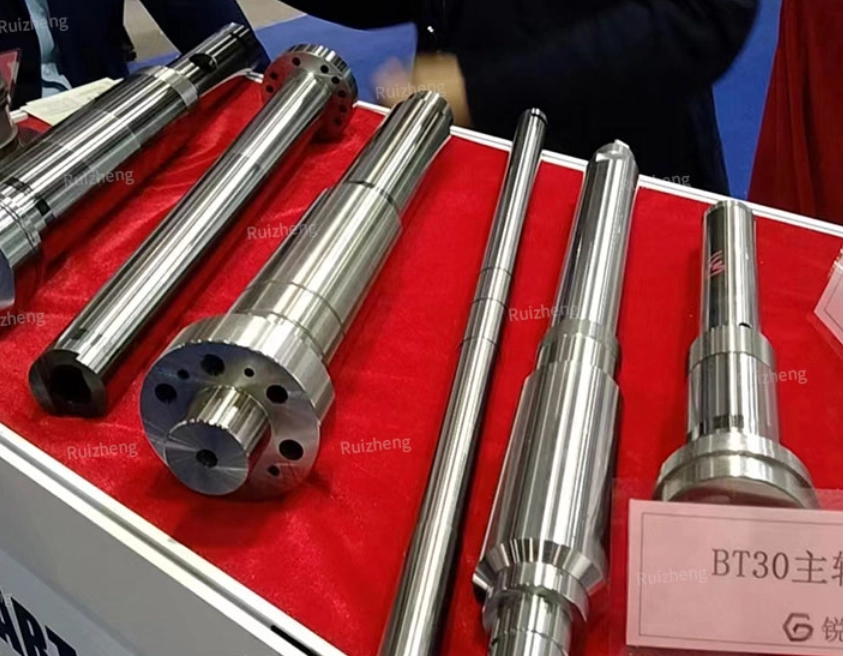
Have you ever looked at a finished metal part and felt a sinking feeling in your chest because the surface looked wavy or “chattered”? Think of your CNC machine as a professional athlete. Even if that athlete is in the best shape of their life, one tiny problem—like a shoe that does not fit quite right or a slightly uneven running path—can turn a fast sprint into a clumsy fall. In the world of high-speed machining, that “loose shoe” is a phenomenon known as spindle runout.
If you are seeing strange marks on your workpieces, wasting money on expensive carbide tools that break too fast, or struggling to hit a size target that should be easy, you are not just having a bad day. You are dealing with a hidden thief that steals your profit every single minute the machine runs. True precision work requires a perfect center of rotation. When that center wobbles even a tiny bit—less than the width of a thin hair—your whole shop feels the pain.
Why Your CNC Precision Starts and Ends with the Spindle
The spindle acts as the soul of your machine tool. It takes the raw power from the motor and turns it into the sharp, clean cutting action needed for various industrial equipment parts. However, simple wear and tear, heat, or cheap replacement parts can make the spindle wobble. When the central shaft does not spin perfectly on its intended line, the tip of your cutting tool moves in a shaky, swinging circle instead of a steady point.
This creates a “hammering” effect that you can actually hear if you listen closely. Instead of a smooth, easy slice through the metal, your tool is basically hitting the material thousands of times every minute. For any shop manager or business owner, this leads to immediate and expensive problems:
- Surface Roughness Struggles: Those ugly, wavy lines on your finished parts mean you have to spend hours hand-polishing them. In the worst cases, your customer might reject the whole batch, forcing you to start over.
- Size Mistakes: You might set your machine settings perfectly, but because the spindle is shaking, the holes come out too big or the slots come out too wide.
- Bearing Damage: Vibration does not just stay at the tool tip. It travels backward into the machine’s heart, crushing the expensive balls or rollers inside the bearings long before they should naturally wear out.
The Science of Fixing the Problem: High-Precision Solutions
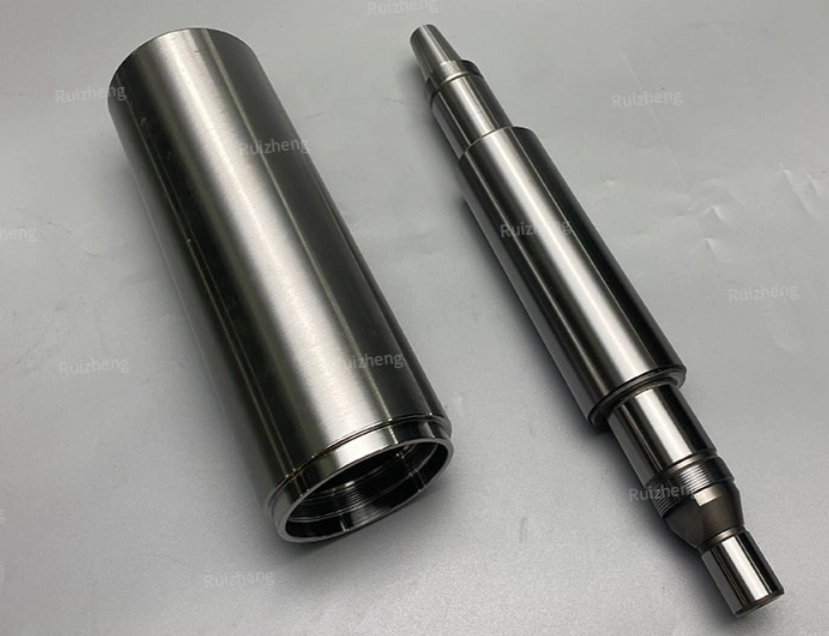
To fix your accuracy, you have to look at the specific bits and pieces that control how the machine spins. This is where high-level engineering beats a quick “band-aid” fix. When you decide to buy top-tier Spindle Parts, you are not just buying metal; you are buying the long-term health and stability of your entire workshop.
Great parts are about more than just looking shiny. They are about using the right type of strong steel and following exact shapes. By focusing on how the shaft, the bearings, and the tool holder all fit together, you can almost completely stop the shaking that causes chatter. A high-quality replacement makes sure the weight is spread out perfectly around the center. This is very important when you run your machine at high speeds to get jobs done faster.
Why Choose Ruizheng for Your Critical Components?
If you have spent a lot of time looking for a partner who really understands how much money you lose when a machine stops working, you have probably seen many different companies. However, Ruizheng is different. They do not act like a simple store that just ships boxes. Instead, they act like a part of your own team. They are experts in the world of high-end CNC work, focusing on the tricky details of spindle shafts and the small parts inside your machines.
Their skill is not just about cutting steel; it is about keeping the very tight measurements needed for machine tool accessories and other industrial device components. When you choose to work with them, you are getting more than a physical part. You are getting a promise that your parts will be straight and balanced. This keeps your machines running cool and steady, even when you are pushing them hard with heavy work.
Solving the “Chatter” Crisis: A Customer-First Plan
When you see a bad surface on a part, you might be tempted to just slow down the machine or take smaller cuts. While this might hide the shaking for a little while, it ruins your productivity. You are paying for a fast, powerful machine but running it like an old, slow one.
the real answer is found in the strength of the spindle itself. By swapping out old or cheap parts for high-precision ones, you fix the real reason for the vibration. This lets you go back to your top speeds—or maybe even go faster than before.
Big Wins from Choosing Better Parts:
- Less Scrapped Metal: When the tool goes exactly where it is supposed to go, you stop making mistakes. This means you save money on raw materials and keep your customers happy.
- Longer Tool Life: Instead of tools snapping without warning, they wear down slowly and naturally. This lets you plan when to change them instead of stopping the machine for an emergency.
- Better Heat Control: Good parts handle heat better. This prevents the metal from growing or shifting as your shop gets warmer during a long work day.
Smart Parts for All Kinds of Industrial Needs
Every machine has its own “personality.” A fast mill needs different parts than a heavy grinder. This is why “one-size-fits-all” parts usually fail when you need the best accuracy. You need parts that are built for your specific job, whether you are working with lathe parts, milling machine attachments, or special drilling unit components.
By looking at the exact weight and pressure your machine tool parts have to handle, you make sure the spindle stays stiff. Stiffness is the best friend of precision. If a shaft is too weak or the metal was not hardened correctly, it will bend under the pressure of a cut. This creates a “moving wobble” that is very hard to fix without replacing the whole unit with something better.
From Technical Drawings to Real Results
It is easy to get confused by a bunch of math and charts, but the only thing that really matters is the part you hold in your hand at the end of the day. You need to be sure that when you press the green button to start the machine, it will do exactly what you told it to do.
Picking the right partner for your custom spindle part processing means you get to see the proof. You get reports that show the measurements are correct and that the parts are balanced. This honesty gives you the bravery to take on harder, more expensive jobs from your own customers because you know your equipment is ready for the challenge.
Easy Steps to Get Your Accuracy Back
If you think your spindle is the weak part of your shop, do not wait for it to break completely. Taking care of your spindle before it fails is the smartest way to save money.
·Check for Wobble: Use a simple tool called a dial indicator to see how much the spindle moves while it spins slowly.
·Look at the Taper: Check the inside hole where the tool goes. If you see wear marks, it means your tools are wiggling while they cut.
·Buy Better Parts: Replace old, weak parts with ones that are built to be better than the original ones that came with the machine.
·Balance Everything: Make sure the whole spinning unit is balanced together. This stops vibration before it can even start.
By following these steps, you stop just fixing problems and start making your shop better. Your CNC machine is a huge investment. Do not let cheap parts ruin its value.
Quality That Helps Your Business Grow
At the end of the day, your machine shop is about the numbers. Better accuracy brings in better customers, more repeat work, and more profit. When your machines run quietly and smoothly, your workers are less stressed, your tools last for days instead of hours, and your whole shop runs like a well-oiled machine.
Precision is something you choose. By picking the best Spindle Parts and partnering with people who care about your success, you make sure your shop stays ahead of the competition.
FAQ
Q: How can I tell if the problem is my spindle or my cutting tool?
A: There is a very easy test you can do. Measure the wobble with your tool in place. Then, take the tool holder out, turn it halfway around (180 degrees), and put it back in. Measure it again. If the “high spot” moved with the tool, the tool or the holder is the problem. If the “high spot” stayed in the same place on the spindle, then the spindle is the part that needs fixing.
Q: Can I just buy new bearings to fix the wobble, or do I need a new shaft too?
A: Bearings usually break first, but they usually break because something else is wrong. If the main shaft is slightly bent or the spots where the bearings sit are worn down, new bearings will just break again very quickly. You should always have an expert check the shaft before you just put in new bearings.
Q: Is it really possible to have “zero wobble” in a real shop?
A: To be honest, nothing is perfectly perfect. There is always a tiny, tiny bit of movement. However, in professional shops, “zero wobble” means keeping the movement so small—usually between 0.002mm and 0.005mm—that it does not affect the quality of your work at all. Getting this close to perfection requires the best parts and very careful work.

