
Motor shafts might look like simple metal rods, but they’re the heart of almost every rotating system we rely on. From high-speed CNC spindles and robotic joints to HVAC compressors and deep-well pumps, the shaft transmits power, handles complex loads, and directly affects precision, noise, and service life. Getting the material, geometry, tolerances, heat treatment, and surface finish right is critical—small mistakes here cascade into vibration, premature bearing failure, or complete downtime. This guide covers everything you need to know about modern motor shaft design, common pitfalls, and what truly separates an average shaft from one that lasts for years under real-world conditions.
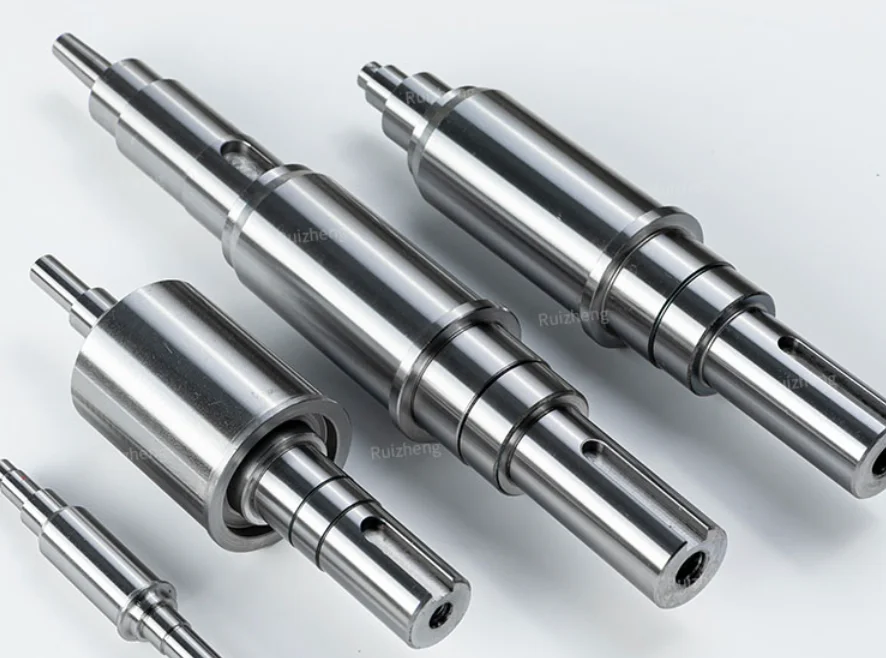
Overview of Motor Shaft Technology
Defining the Motor Shaft and Its Role in Mechanical Systems
A motor shaft acts as the main mechanical part that moves turning power from the motor to the part it drives in a machine. It powers things like a CNC spindle. It turns a robotic arm joint. Or it opens a valve. The motor shaft changes electrical power into useful mechanical movement.
Its main job is to pass on torque and turning motion well. It also carries the mechanical weights of the system. How the shaft works affects the accuracy, speed, and lasting quality of your setup. If there is any wrong alignment or size mistake in a motor shaft, it can lead to big mechanical problems in the whole setup.
In places that need high accuracy, such as factory robotics or auto systems, the motor shaft is more than a simple mechanical connector. It is a key part of the whole electrical-mechanical system’s dependability and quick response.
Core Components and Materials Used in Motor Shaft Construction
Motor shafts are usually made from strong materials like carbon steel, stainless steel, and alloy steel. These metals give a good mix of ease in shaping and strength against forces. Alloy steel and stainless steel are top choices. They handle heat treatment well. This helps boost tiredness resistance, surface toughness, and size steadiness under heat and force stress.
To fit certain work needs, heat processes like quenching, tempering, or nitriding get used. These steps raise strength. They also make the work life longer. Plus, surface work methods like grinding and polishing are key. They help reach exact shape limits and cut down wear during fast turns.
Design Considerations for High-Performance Motor Shafts
Dimensional Accuracy and Tolerances
Exactness is a must in motor shaft design. Shafts need close limits to fit right with bearings, couplings, and gears. Even a small change in width or round shape can cause wrong setup or shaking.
Work exactness can hit 0.001 mm. This is a key mark for top setups. There, turning accuracy shapes the system’s results. CNC machining gets used a lot. It gives steady outcomes, even with tricky shapes.
Load Capacity and Torque Transmission Requirements
Your motor shaft has to deal with both still and moving loads without breaking. The shaft’s skill to pass torque comes from its twist firmness. It also comes from its fight against bending under weight. Engineers often check key speed to make sure the shaft skips matching shake speeds during work. This is extra true in high-RPM setups.
These points are very important in changing settings like factory machines or powered movers. There, weight conditions change during the work round.
Shaft Geometry: Solid vs. Hollow Designs
Based on your setup’s weight limits and build needs, you might pick solid or hollow shaft types. Hollow shafts cut weight. They also give better twist firmness per weight unit. This makes them great for robotic arms or servo-powered movers. There, quick moves count.
But solid shafts offer better power. They are often picked for setups with big shock weights or side forces.
Balancing, Vibration Control, and Noise Reduction
Uneven spots in the shaft can bring shakes that hurt machine work. That is why balance checks during making are key. Lining up the shaft right with other turning parts also helps cut work noise.
In fields like spring winding machines or balance systems, where shakes matter a lot, these things cannot be ignored.
Functionality Across Different Application Scenarios
Integration with Motors in Industrial Automation Systems
Motor shafts act as the linking part between motors and work outputs in auto systems. You might use stepper motors for spot control. Or servo motors for changing torque supply. The motor shaft must fit certain torque-speed-weight outlines.
Setups like robotic arms, CNC machines, or belt systems often need custom shapes and material care. A good motor shaft makes sure of the best mechanical reply under often speed-up and slow-down rounds.

Performance in HVAC Systems, Pumps, and Compressors
In HVAC compressors or factory pumps, motor shafts face wetness, heat changes, and pressure gaps. These places need rust-proof covers like chrome plating. Or special finishes that lower wear. They keep seal wholeness too.
Shaft seal systems are key here as well. They stop fluid leaks. They also block dirt in inner parts. Both can cause early breakdowns if not fixed in the design step.
Ruizheng’s Expertise in Motor Shaft Manufacturing
Started in 2013, Ruizheng grew from a tiny lathe shop into a top maker of high-exact shaft parts for new factory uses. It began as a small lathe place. Now it is a fresh, high-exact parts maker. It has lathes, milling machines, grinders, a steady-heat test room, and auto load-unload robot setups.
Today, their making skills serve custom odd shafts for machine tools, factory auto systems, human-like robots, harmonic gear reducers, and even UAVs. If your setup needs turning exactness under hard weight or speed settings, their making setup is built to give just that.
Advanced Production Capabilities at Ruizheng
CNC Precision Machining Technology
Their use of many-axis CNC machining spots makes sure tricky shapes get made with very high size exactness. It could be stepped shafts. Or multi-width outlines with thread parts. Ruizheng gives repeat results you can trust.
Heat Treatment Facilities for Enhanced Durability
We back heat treatment ways like quenching and tempering. They lift tiredness life and wear fight. These get done inside for full step watch.
Surface Finishing Options Tailored to Application Needs
To cut rub during turns and lengthen use life under weight conditions, choices like grinding, polishing, and chrome plating are open. This fits shafts in balance machines or deep well uses. There, surface wholeness is vital.
Customization Services Based on Client Specifications
Engineering Support for Application-Specific Design Requirements
Ruizheng gives co-build services. Their engineer group works with yours to adjust settings like torque room, material pick, or shape. All this comes from your 2D/3D drawings. We focus on custom odd parts from customer 2D/3D drawings.
Flexible Batch Production from Prototyping to Mass Manufacturing
If you need one test model for checks or full big runs for wide use, their making system grows easy. We back work in the sample and test making steps.
Quality Assurance Standards at Ruizheng
Inspection Protocols Throughout the Manufacturing Process
Dimensional Verification Using CMMs (Coordinate Measuring Machines)
Every shaft goes through hard checks at many steps with CMMs. This makes sure it follows design limits. All goods get first-piece check, full-step check, and end check before send-off.
Material Traceability and Certification Compliance
Trace work gets backed by full papers. This includes RoHS, REACH follow reports, ISO papers, and size check sheets. We can give material reports, size check reports, RoHS and other linked papers when customers ask.
Applications Highlighting Ruizheng’s Product Versatility
Sectors Served by Ruizheng Motor Shafts
Ruizheng’s shafts get used in many fields. This includes factory machine making, like machine tool add-ons. It covers robotics, with harmonic reducers. It also hits home electronics, like smart home tools. Plus spring coiling machines, UAV push systems, valve movers (valve body/core), oil field rotors, and more.
They work well in machine tools, factory main machines, key parts of factory gear, four-axis and five-axis turntables, factory robotic arms, human-like robots. These parts show good work in many mechanical spots.
Partnering with Ruizheng: Services and Contact Information
End-to-End Service Model Supporting Global Clients
From idea build to world send logistics, Ruizheng gives a full back chain:
- Technical consultation
- Fast prototyping
- Logistics coordination with DDP support
World express, air and sea moves can get set up. This comes with many-language send papers. It includes pack lists and start papers.
How to Connect with Ruizheng’s Engineering Team
You can touch base right via their site ask form or email. Get personal help on your plan needs. Set account keepers will check in all through your build round.
FAQ
Q: Can Ruizheng manufacture shafts with complex multi-step diameters or internal threads?
A: Yes. Their advanced CNC capabilities enable machining of complex geometries including stepped diameters and threaded sections across both solid and hollow shafts.
Q: What is the typical lead time for customized motor shafts?
A: For standard parts it ranges from 20–30 days; for high-precision parts it may take 40–60 days depending on complexity.
Q: Do they support low-volume production runs for prototyping?
A: Absolutely. Ruizheng supports both trial production and small batch volumes as part of their scalable manufacturing service model.

