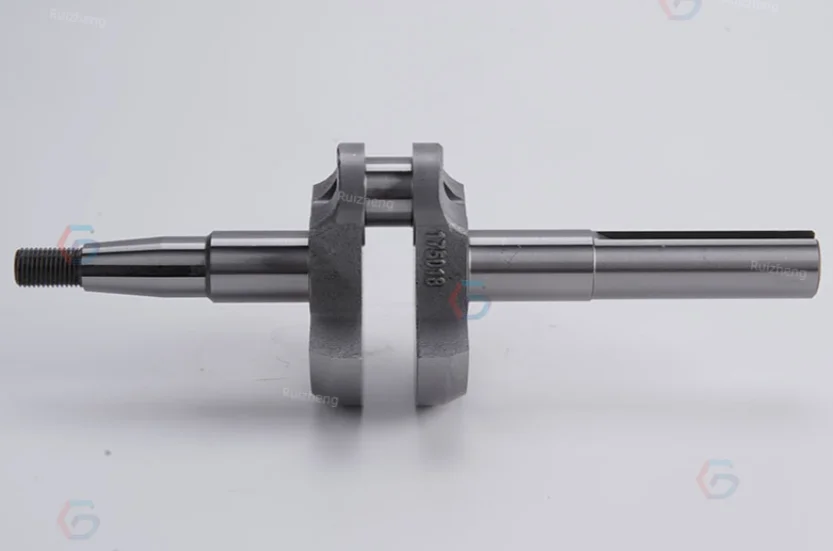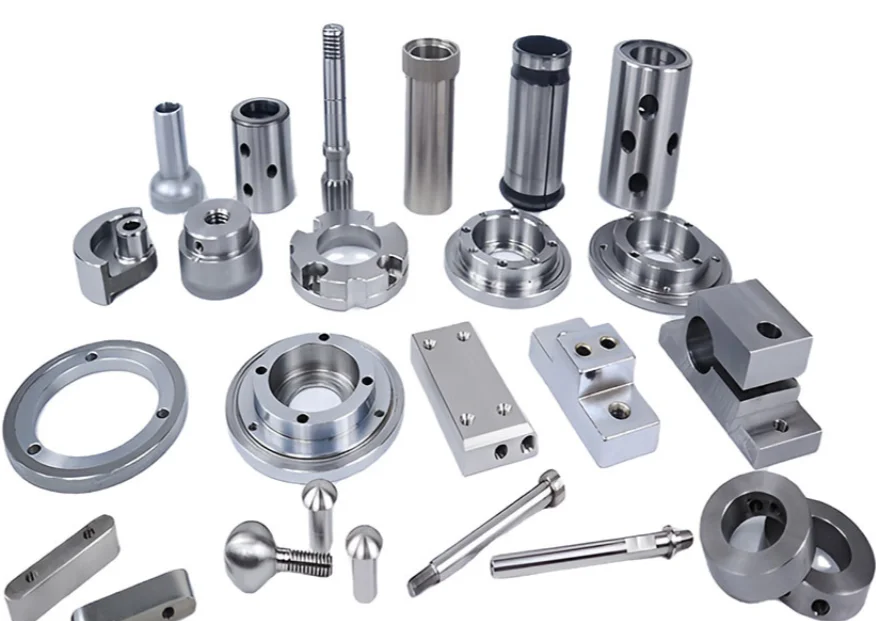
Introduction to CNC Precision Turning
You walk into your shop. You look at that piece of steel on the lathe. You feel ready to turn it into a shaft that drives key parts in industrial machines. CNC precision turning is more than a method. It is the skill of cutting exact shapes from rough stock. You do this one spin at a time. This way lets you make shafts with tight fits. They work well in tools like mills and grinders. Think of shafts that turn smooth. They have no shake at all. They slide right into spindles or drive parts. This boosts your work speed. It also cuts lost time.
So why learn this in depth? Well, top shafts support strong machines. They take the twist and quick spins of lathes and grinders. They do this without a hitch. One small flaw can mess up fits. It might be just a tiny bit off in shape. That leads to big fixes or tossed pieces. Precision turning fights back. It uses computer-led tools to guide each slice. You get shiny surfaces that pass checks easily.
Now, think about teaming up with folks who make this skill a real craft. Ruizheng, a strong player in custom shaft work, has years of real-world know-how. Their techs are not just operators. They fix issues. They have shaped tons of parts for spindle shafts and holders. They always aim for no bad runs. What makes them stand out? It is the mix of new machines and smart old tricks. For example, they use firm setups to stop shakes on thin shafts. Or they build special holds that keep lines straight from the start. Customers talk about fast waits that save weeks. They hit marks like ±0.005mm with ease.
If you have dealt with uneven pushes or tool shakes, you get the annoyance. Ruizheng changes that. They send test pieces that work right away. They back this with top quality stamps. It does not matter if you test a new offset style for speed changers. Or if you ramp up for big batches. Their way feels close. It is like talking to a long-time shop guy over a cup. Check out their setup. You will see how they shape your ideas into shafts that beat what you expect. This is not just talk. It is the steady trust of experts who know the ropes. They keep pushing higher. Set to boost your turning skills? We will go through it bit by bit. That way, you can add this sharp cut to your own place.
Essential Fundamentals for Beginners
You begin with the simple stuff. That is where true skill starts. Before you start the lathe, get how spin speed, push rates, and tool shapes work together. They shape your shaft. Spin speed sets how quick the stock turns. If it is too slow, chips clog up. If too fast, heat grows. That bends your piece. Push rates set how deep you cut each turn. You tweak this to remove stock clean. Tool shapes, like the slant on bits, make sure cuts start and stop sharp. No rough edges.
Pick your stock type next. It builds the base. Steels and mixes lead for tool parts. They give power for heavy spin jobs. Or bend for bits like grips. Choose by what your job needs. A tough steel works for shafts that fight wear in grinders. Or a treated mix holds heat steady in warm spots. These picks boost how long your shaft lasts. It handles hard daily turns in shop gear.
Then, get your machine right. Line up the grip and back push spot-on. This keeps the center true. A tuned lathe cuts wobble. So your shaft comes out straight end to end. With these base parts set, you gear up to do cuts that hit marks each go. From this point, you add steps that sharpen your hold.
Step-by-Step Mastering Techniques
Move easy from prep to do-time with a clear plan. First, set up and test your task. Put your design file into the path software. Mark the tool lines for shaft sizes and spans. Run a fake spin to find bumps or slow spots. This catches most goofs before you cut metal. For tricky lines, like ones with side bumps, the test shows how shifts hit balance. It saves time on site.
After you set it, turn to tools and holds. Grip your rough piece tight with soft pads or push chucks. This spreads force even. Pick bits with covers that fight edge build on steels. Slant them for good chip slide. Right holds cut bend, key on slim spots. It makes your slices steady.
Now, do the cut jobs. Start with rough slices at fast pushes to clear stock quick. Then go to fine cuts with light depths for glass-smooth looks. Add threads if you need them. Use one-point bits timed to spin beats for right spacing. Watch the cool flow to clear bits and chill the area. This stops heat swell that twists sizes.
All the way, mix in check points. Test width mid-slice or use air tools for fast shape reads. Change quick to keep that ±0.005mm line. These parts link up. They turn rough into a shaft set for join in your tools. As you build trust, step to higher ways that grow your wins.
Advanced Strategies for Perfection
You have the main ways set. Now lift your play with multi-spin blends. Add live bits to your lathe for side cuts like flats or slots in one hold. This drops move errors on shafts for holders. This extra spin lets you cut side features to the line. It makes mix parts that fit tight shop drives.
Fight shakes next. It steals sharp work quiet. Cut it with weight tuners on the spin or even tool packs. Set cool send with in-bit spray to hold temps steady. This cuts twist on warm mixes. These small changes let you run faster speeds. You keep the smooth look.
Add auto-run for same results. Tie your control to feelers that spot bit fade by shake signs. It shifts pushes auto to hold shapes. For group jobs, code short cuts that run steps over many shafts. This keeps all the same. These plans not only hone your work. They fix the tug between quick and sharp in make runs. But even top hands hit bumps. Knowing how to skip them keeps your flow going.
Common Challenges and Pro Tips
You know how it goes. A task that runs fine can skid from wobble or buzz. Wobble slips in from bad center. Beat it by planing both ends first. Then check with a turn gauge before you slice. Shoot for less than 0.01mm full. If it jumps, reset the grip and re-plane.
Bit fade strikes tough on rough stocks. Stretch it with step pushes. Start bold, then soft. And swap new bits every few. Tip: track fade ways to guess changes. No shock in the middle.
For big batch ups, weigh speed with looks. Use number checks to test every tenth shaft. Spot shifts soon. This holds wins over 98% with no full watch. On green ways, reuse cool and bits. Pick power-save drivers to clean your spot. These patches turn pains to routines. They clear the path for true-use wins. Let us look at how they work in a key sample.
Real-World Application: Eccentric Shaft Excellence
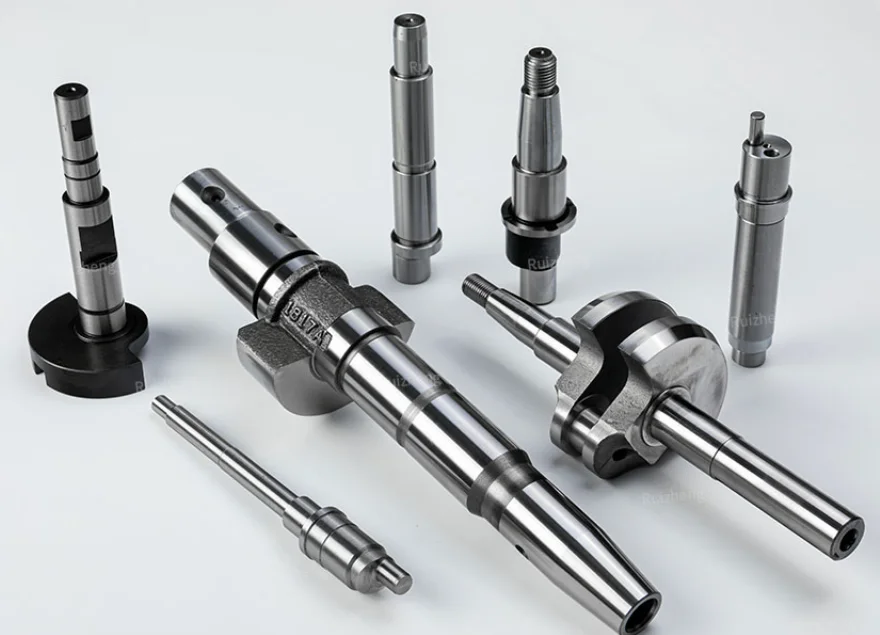
Put these rules to build an eccentric shaft. It changes the game for tune parts in tools. See this: you want a shaft where the center shifts exact. It drives change reaches in cams or links for spin tweaks. Begin with a block of mix steel. Code the shift with circle marks in your path soft. The test checks the bump size without extra cuts.
Holds need fresh ideas. Use a firm spot at the shift to fight bend force in rough. End with a hard-tip bit for 0.4μm soft touch. Check for shift in ±0.01mm. The end? A shaft that gives spot-on move lead. It cuts wear on bits and grows life in grinders or mills.
What tips it over? Better even cuts noise in spin groups. While rust-fight coats guard from shop dirt. Tailor spans or shifts to your rig. It beats store buys in weight hold and sharp. In one shop swap, they ditched plain for these. It cut shake fails by half. And trimmed power in drives. Numbers like 99.9% good rates and fast turns show the gain. Use this, and your shop parts get that sure kick.
Conclusion: Elevate Your Shaft Production
You hold the guide now. It goes from base to tuned plans. That turns fair cuts to great ones. These shafts do not just slot in. They work hard. They power your tools with firm sharp. Use them, and see lost time fall. While make goes up.
Jump in: test a tail offset or tweak your pushes now. Teaming with pros opens ways to gear and tips you can’t go alone. Link up by the site for bids or bits. Your next spot-on run is close.
Ruizheng Services and Contact
Check full help range: from quick tests to big cuts of shafts and bits. Use new lathes for lines past norms. All fit to your shop wants.
Why link? Shown wins in parts that take daily hits. With spots set for quick and sharp.
Send a note or scan for talks, marks, or to start your task.
FAQ
Q: What materials work best for precision shafts in machine tools?
A: Steels like 4140 offer toughness for high-torque applications, while alloys such as 303 stainless provide machinability and corrosion resistance for attachments. Select based on load and environment to match your setup’s demands.
Q: How do I reduce vibration during high-speed turning?
A: Balance your tooling setup and use through-spindle coolant to stabilize cuts. Add damping fixtures if needed—these steps keep chatter at bay, ensuring clean finishes on slender shafts.
Q: Can I customize eccentric shafts for specific offsets?
A: Yes, program the exact throw in CAM software and fixture accordingly. This yields parts with precise motion control, ideal for adjustable drives in your industrial equipment.