
In CNC machining, quality control keeps dimensions spot-on by checking designs upfront, watching the process closely, and using tools like CMMs for final measurements down to 0.001 mm. RUIZHENG nails this with real-time data tracking, ISO standards, and trained pros to catch issues early and cut down on fixes. It’s all about delivering solid, consistent parts for tough jobs in robotics or industrial gear that fit perfectly and hold up over time.
Dimensional Accuracy in CNC Machining: Why It Matters
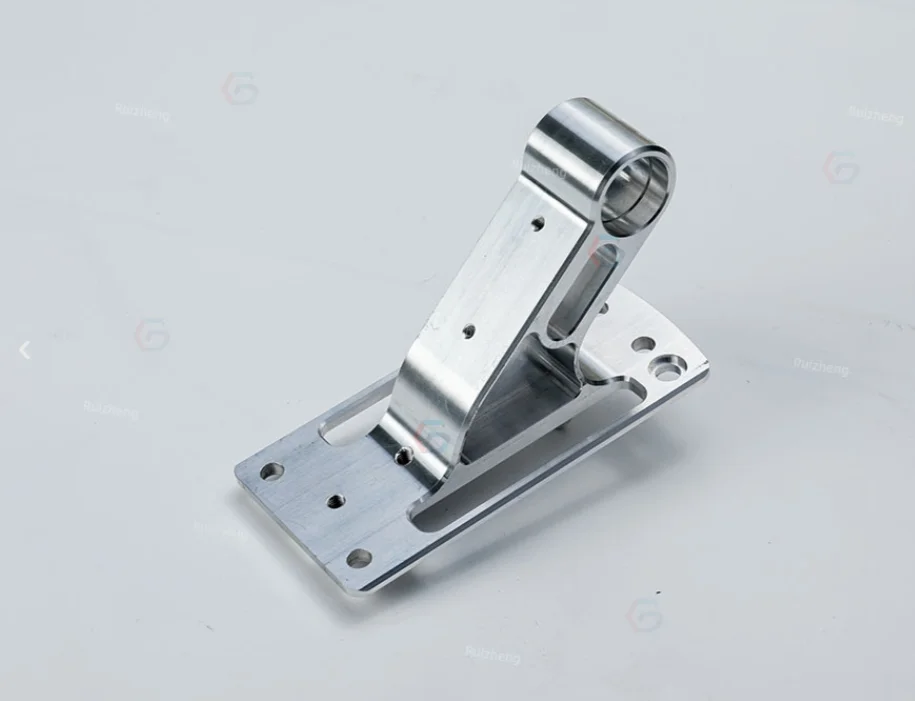
What’s Dimensional Accuracy and Why’s It a Big Deal?
In CNC machining, dimensional accuracy is the backbone of making parts that work right and last long. It’s about how close a finished part matches the sizes on your technical drawing. Even a tiny slip, like 0.001 mm, can make parts for fancy machine tools or industrial gear totally useless.
RUIZHENG’s CNC machining hits accuracy down to 0.001 mm. This is super important for stuff like machine tools, core industrial parts, four-axis and five-axis turntables, robot arms, and even humanoid robots. Tight measurements make sure parts fit, line up, and handle tough jobs without breaking.
Tolerance Rules for Precision Parts
CNC machining uses global standards like IT6 or IT7 to set how much wiggle room is okay for sizes. IT6, for example, allows super tiny differences, perfect for fast-spinning shafts or robot joints.
RUIZHENG focuses on custom CNC machining for non-standard shafts, flanges, bearing seats, and other precision bits. These need to stick to strict tolerance rules to perform like you expect.
How Accuracy Affects Performance
Mess up the measurements, and you’re in for trouble—parts might not fit, wear out fast, shake too much, or even cause whole systems to crash. But spot-on parts save you from rework hassles and keep things running smoothly.
Want a supplier you can trust for this? Check out RUIZHENG’s precision CNC machining parts. Their focus on micron-level accuracy brings your designs to life exactly as planned.
Key Quality Checks in CNC Machining
Getting dimensional accuracy isn’t luck—it comes from solid quality control steps, from design checks to final inspections.
Planning Before Production
- Checking CAD/CAM Files: Before CNC machining starts, RUIZHENG reviews your CAD/CAM files to make sure they’re doable. They look at things like shape tolerances, surface smoothness, and tool paths. Any issues get caught early to avoid pricey mistakes.
- Material Tracking: The metal you pick affects how easy it is to CNC machine and how stable the part stays. RUIZHENG’s parts meet European and American quality standards, and they can provide material reports. Tracking where materials come from is key for industries needing super reliable parts.
Checks During Machining
- Watching the Process Live: While CNC machining runs, systems keep an eye on spindle speed, feed rate, temperature changes, and cutting force. This lets RUIZHENG fix things right away if measurements start drifting.
- Tool Checks: Worn tools mess up accuracy. Automated systems measure tools during CNC machining. If wear gets too high, alerts tell operators to swap or tweak tools without slowing down.
Final Checks After Machining
Once parts come off the CNC machine, they go through serious inspections based on how complex they are.
CMM Measurements: Coordinate Measuring Machines (CMMs) are must-haves for checking tight tolerances on fancy shapes. RUIZHENG does first-piece, full-process, and final inspections using CMMs in a constant-temperature room to avoid heat-related errors.
- CMM in Action: For a spindle shaft needing concentricity within 5 microns, CMMs give 3D checks with crazy precision. This ensures parts like bearing seats fit perfectly during assembly.
Laser and Optical Scans:
- Non-Contact Checks: For tricky shapes or delicate surfaces, laser scans check measurements without touching. This works great for robot arm joints or flanges with lots of curves.
- Surface Smoothness: Accuracy isn’t just size—it’s about smooth surfaces too. RUIZHENG uses profilometers to check Ra values, making sure surfaces meet specs for friction or sealing.
RUIZHENG’s Quality Gear
To keep parts consistent across big batches, RUIZHENG uses top-notch tools.
- Fancy Metrology Tools: Their setup includes lathes, milling machines, grinders, and robotic loading systems, plus CMMs, profilometers, and micrometers at every step of CNC machining. These catch issues early, not after production when fixes cost more.
- Stable Testing Conditions: A constant-temperature testing room keeps measurements dead-on. Even small heat changes can stretch metal a few microns, but RUIZHENG’s setup stops that.
Keeping Quality Steady at RUIZHENG
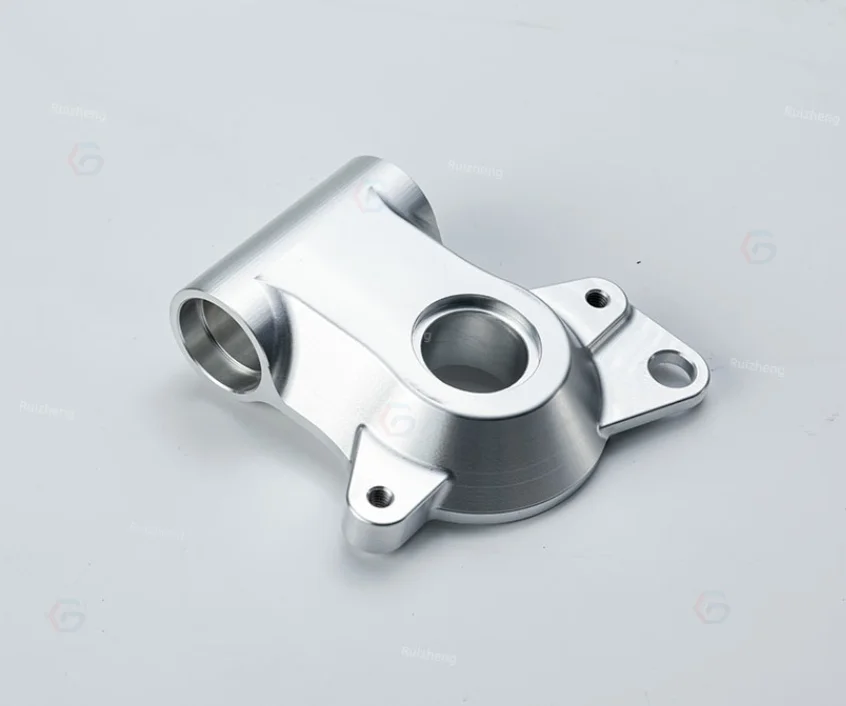
Consistency in CNC machining comes from smart process controls, not just tech.
Using Data to Stay on Track
- Statistical Process Control (SPC): RUIZHENG grabs real-time data—like shaft diameters or flange flatness—and plots it on charts to spot trends before they turn into defects.
- Data for Stability: This helps plan tool changes, cuts scrap, and makes sure repeat orders months later are just as good.
Learning and Improving
RUIZHENG takes customer feedback and uses it to tweak things like clamping pressure or coolant use in drilling. This makes every CNC machining job better than the last.
Skilled Workers Make a Difference
Even with automation, people are key in CNC machining.
- Training at RUIZHENG: They follow ISO 9001 rules but go beyond with hands-on training. Workers learn to read blueprints, understand tolerances, and handle measuring tools, ensuring no mistakes at micron levels.
- Manual Checks: Operators double-check random samples with calipers or pin gauges for custom features CMMs can’t easily reach, adding extra confidence before shipping.
Meeting Global Standards
Global markets want global quality, and RUIZHENG delivers with proper paperwork.
- ISO and More: They’ve got ISO 9001 certification, SGS test reports, and a National High-tech Enterprise title. These prove their CNC machining meets world-class standards, no matter where you are or what your parts do.
- Paperwork Done Right: RUIZHENG offers dimensional reports, material certifications, and RoHS docs on request. This makes life easy for regulated industries during audits.
Why RUIZHENG’s Approach Rocks
Partnering with a CNC machining pro who nails dimensional accuracy from start to finish is a game-changer.
- Super Reliable Parts: RUIZHENG’s triple-check system—first-piece, full-process, and final inspections—slashes defect risks compared to basic spot checks. Check out their flange parts if you need rock-solid reliability for tough assemblies.
- Less Rework, Faster Delivery: Catching issues early with SPC or tool monitoring means fewer delays and quicker turnaround, even for tricky shapes.
FAQ
Q: How do I know if my design’s tolerances are doable?
A: RUIZHENG’s team checks your 2D/3D drawings during quoting. They give feedback within 24 hours on what’s possible with their CNC machining tools.
Q: Can you provide full material tracking?
A: Yup, RUIZHENG offers material certifications with full traceability on request.
Q: What surface finish checks do you do?
A: They use profilometers to measure Ra values, ensuring surfaces are smooth enough for sealing or low friction in CNC machining parts.

