
CNC machining makes rotating shafts super precise, hitting tolerances down to 0.001 mm to keep spins smooth and vibes low. RUIZHENG crafts custom shafts—like step shafts, crankshafts, and spindles—for robots and heavy gear, using fancy CNC tools and grinding for rock-solid high-speed performance. Their know-how, real-time fixes, and strict checks cut wear and keep machines running longer.

The Critical Role of Dynamic Balancing in Rotating Machinery
Basics of Dynamic Balancing
Dynamic balancing keeps rotating parts like shafts, spindles, and cranks running smoothly. It’s about fixing the weight around a spinning axis so the center of mass lines up with it. When done right, this cuts down on shakes, saves wear on bearings and supports, and makes machines last longer.
In high-precision setups, like robotic arms or machine tool spindles, even tiny imbalances can mess things up. They might throw off accuracy or break parts early. That’s why dynamic balancing isn’t just nice to have—it’s a must for top-notch manufacturing.
What Happens When Machines Aren’t Balanced
Unbalanced rotating parts create outward forces when they spin. These forces grow fast as speed picks up, causing shakes, noise, and extra heat. In fast-spinning setups, like shafts in automation gear, this can hurt performance big time.
Worse, imbalance puts uneven stress on bearings and supports. This wears them out quicker and can lead to unexpected shutdowns. That’s a pricey problem in any factory. RUIZHENG specializes in custom processing of non-standard shafts, flanges, bearing seats, and precision parts, used in high-end fields like machine tools, industrial equipment, robotic arms, and humanoid robots.
What High-Precision Shafts Need
To keep up with modern demands, shafts must hit strict standards: perfect shape, smooth surfaces, even material strength (sometimes with heat treatment), and balanced weight. These get tougher as speeds go up.
For example, a custom spindle part for fast industrial jobs needs tight measurements across its shape. It must also resist heat growth and mechanical stress.
How CNC Helps Make Precise Shafts
What CNC Does for Shaft Making
CNC (Computer Numerical Control) machining gives awesome control over size and repeat accuracy—key for dynamic balancing. It uses computer designs to guide tools, shaping complex parts with almost no mistakes.
For shafts, CNC turning machines keep diameters steady along long pieces. Multi-axis milling machines add tricky features, like keyways or stepped shapes, without moving the part. Processing accuracy can reach 0.001 mm, perfect for parts where tiny measurements matter.
Why CNC Is Great for Tight Fits and Balance
Balanced weight needs parts machined the same every time. CNC nails this by keeping every batch consistent, even over long runs. Plus, tools like live tooling and multi-axis cutting let complex shapes get done in fewer steps. This cuts errors from repositioning and keeps parts even on all sides—super important for spinning parts like crankshafts or spindles.
Mixing CNC with Balancing Steps
Modern CNC setups often include tools that check balance before parts are used. After machining, balancing steps—like drilling holes or adding weights—can use data from CNC programs. This teamwork ensures parts aren’t just the right size but also spin smoothly.
RUIZHENG’s Custom Shaft Solutions
If you need high-precision rotating parts, from one-off tests to big batches, RUIZHENG gets it. They understand materials and how parts act under stress. Foshan Ruizheng Machinery Manufacturing Co., Ltd., started in 2013, makes high-precision shaft components and custom parts. From a small lathe shop, they’ve grown into a modern factory with lathes, milling machines, grinders, a constant-temperature testing room, and robotic loading systems.
Custom Step Shaft: Built for Steady Spins
A custom step shaft needs perfect alignment across different diameters. Any slip-up causes wobbles when spinning. In high-speed jobs, RUIZHENG uses optimized concentricity and heat treatment to keep things stable at high RPMs. Advanced CNC turning machines make smooth transitions between steps, keeping everything aligned for balance.
Custom Crankshaft: Handling Tricky Shapes
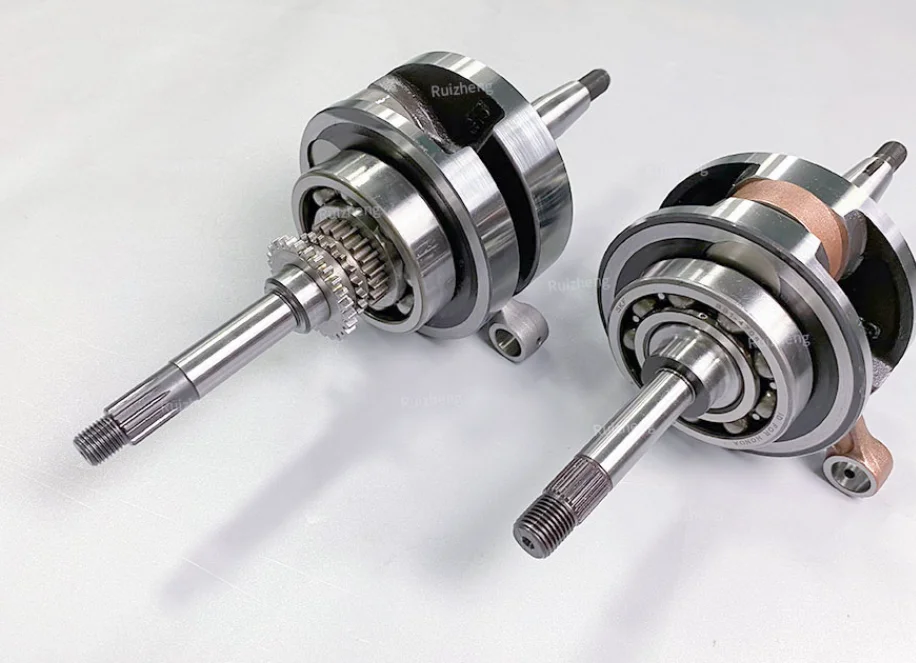
Crankshafts are tough because of their off-center journals and weights. Balancing them needs precise material cuts and smart design choices based on computer models. Multi-axis CNC machines cut lobes or throws accurately without moving the part mid-process. This keeps weight even across the shaft, cutting shakes under heavy loads.
Custom Spindle Part: Ready for High Speeds
Spindles spin crazy fast, so even small flaws can cause big failures. A custom spindle part needs super tight tolerances, often within microns, and smooth surfaces to cut friction. RUIZHENG uses materials like alloy steel, stainless steel, or titanium alloy, with heat treatment. Advanced grinding after CNC machining gives ultra-smooth finishes for high-RPM uses, like machine tool heads or robot actuators. Balance comes from both shape and even material density, controlled with certified material checks.
Boosting Performance with CNC and Balancing
How CNC Keeps Parts Consistent
Making lots of parts that act the same under stress is key. CNC cuts follow exact computer paths with super tiny precision, hitting 0.001 mm accuracy. This ensures every part is balanced when spinning fast. It also makes final balancing easier, needing fewer fixes after machining—a big win for big production runs without losing quality.
Real-Time Tweaks and Simulations
CNC systems with modern software let you test how parts will spin before they’re made. You can model stresses from imbalance or try different designs on a computer. This saves time and money early on. Some setups even have sensors that check vibrations or tool wobble during cutting, letting you tweak things right away to keep parts perfect.
RUIZHENG’s Expertise in Shaft Making
When you work with RUIZHENG, every part gets checked at the start, during, and before shipping. Their ISO 9001-certified process ensures quality from raw materials to final delivery. A constant temperature testing room keeps measurements accurate, especially for parts sensitive to heat changes during use. They offer custom solutions for industries, from lightweight robot arm shafts to heavy-duty equipment flanges, with RoHS reports or dimensional certificates available. Their products meet European and American quality standards.
Partnering with RUIZHENG for Shaft Solutions
Whether you’re building new automation systems or upgrading old machines, RUIZHENG supports test runs and small batches to validate designs before full production. They give fast drawing reviews and quotes within 24 hours. Multilingual logistics support makes international shipping easy, with options for express, air, or sea transport based on your timeline. Their flexible models work for one-off prototypes or ongoing orders across multiple parts.
FAQ
Q: How does dynamic balancing affect spindle lifespan?
A: Good balancing cuts vibrations that wear out bearings. This makes spindles last much longer during constant use.
Q: Can I ask for specific tolerances for custom shafts?
A: Yes, RUIZHENG customizes non-standard parts based on your 2D/3D drawings and can suggest assembly tolerances for your needs.
Q: Do you support small batch orders?
A: Definitely. RUIZHENG helps with proofing and trial runs, making it easy to test designs before scaling up.

