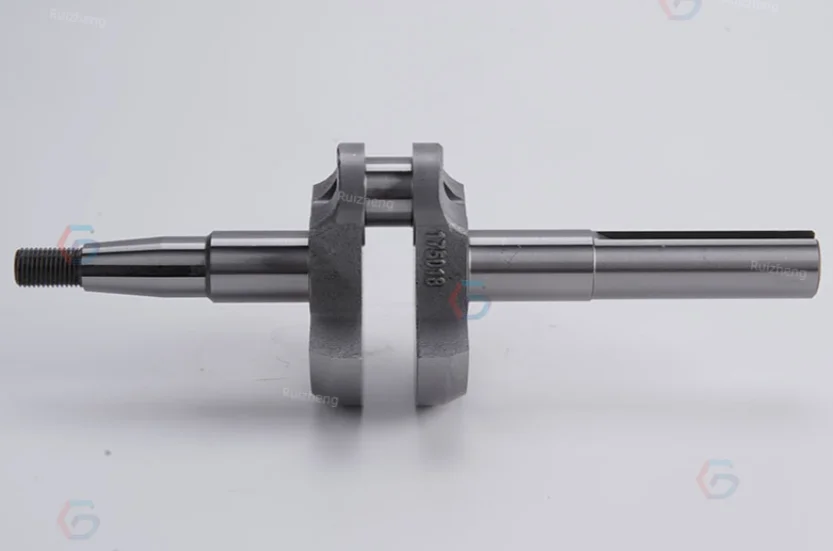
In the world of high-end mechanical engineering, the tiny gap between a machine that works perfectly and one that breaks down often comes down to just a few tiny marks on a single part. If you are in charge of making things like rotary engines, strong gear reducers, or smart transmission systems, you already know that the eccentric shaft is the toughest part to get right. It acts like the “beating heart” of the machine’s movement, but because its shape is off-center, it often becomes a huge headache in the factory.
Why Does Eccentricity Create a Precision Crisis?
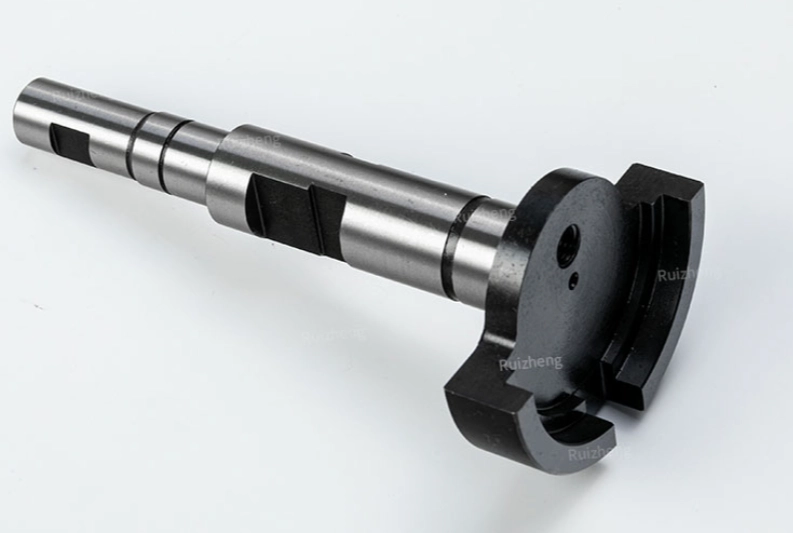
Have you ever stopped to think why some big machines run as quiet as a whisper while others shake so much they break early? The secret is usually the shape of the shaft. Most shafts are straight and centered, but an eccentric shaft has parts that do not line up with the main middle line. This “off-center” style is necessary to turn spinning motion into back-and-forth motion, but it creates big trouble when you try to actually build it.
The Problem of Heavy Shaking and Vibration
When a shaft spins really fast, any tiny mistake in that off-center design creates a lot of shaking. If the person making your part misses the goal by even a tiny bit, you will face these problems:
- Bearings Wear Out Too Fast: Unbalanced weight pushes on your bearings in the wrong way and ruins them quickly.
- Wasted Energy: That shaking is actually just energy being thrown away, which makes your whole machine less efficient and more expensive to run.
- Total Machine Failure: In heavy industrial gear reducers, a poorly made shaft can make gear teeth hit each other the wrong way, leading to a sudden and messy break.
The Hard Part: Holding the Metal Still
The biggest problem for most machine shops is simply how to hold the metal while cutting it. How do you keep a piece of steel steady when the part you need to cut is purposely moved away from the center? Old ways of holding the metal usually fail here. Trying to center it by hand is very slow, easy to mess up, and almost impossible to do exactly the same way for 500 parts in a row. If you are tired of getting different quality every time you order, it is probably because your current shop has not mastered the secret of eccentric shaft machining setups.
Mastering the “Off-Center” Challenge: How True Accuracy is Achieved
To beat these problems, you need more than just a basic machine. You need a special plan that looks at that “off-center” part not as a mistake, but as a goal that must be perfectly controlled. This is where high-tech building methods come in to save you time and money.
Being Exact with Special Tools
To make sure everything is perfect, the old-fashioned way of using shims and hand tools is not good enough for today’s industrial needs. The best factories now use custom-made eccentric fixtures. These are special tools built just to hold your shaft at the exact offset you need. This keeps the metal from wobbling while it is being cut. By using these special tools, we stop the “transfer mistakes” that happen when a worker has to move a part from one machine to another.
5-Axis CNC: The Tool That Changes Everything
Why waste time with four or five different steps when you can do everything at once? Using 5-axis CNC technology lets a machine cut the main part of the shaft and the off-center parts at the same time.
- Single-Step Work: By finishing the whole part in one go, you get rid of the tiny errors that grow every time a worker has to unclamp and reclamp the metal.
- Smart Shapes: Some designs need strange cam shapes or tilted parts. 5-axis machines make these shapes look smooth and perfect in a way that cheaper, older machines simply cannot do.
- Better Results for You: Fewer steps mean the parts get finished faster, and there is almost zero chance for a mistake to happen during the move.
Keeping the Metal Strong and Shiny
Being “accurate” is about more than just the size of the part; it is about how the part works inside your machine. When using strong steel alloys—and we stay away from things like titanium that cost too much for most factory machines—you have to be very careful with heat. After the first cuts are made, the metal must be ground down very smoothly. This creates a “mirror-like” surface that stops friction. This ensures your equipment stays cool and keeps working for years instead of months.
Who is Behind This Precision? Meet Your Engineering Partner
When your project needs this much care and technical skill, you need a partner who understands the science of high-end making. I want to introduce you to a group that has spent years solving the hardest “un-makeable” problems in the industry.
Ruizheng is a special kind of manufacturer that works like a part of your own design team. Instead of just taking your money and hitting a button, they act as experts who look at your drawings to see if they can make the part better or cheaper. Whether you need parts for machine tool accessories or parts for big industrial equipment, their deep knowledge in custom processing of eccentric shaft makes sure that even your weirdest shapes come out perfect every time. They do not just sell pieces of metal; they sell the calm feeling of knowing every part in your machine is exactly right.
The Benefits of Choosing Specialized Machining Over “Standard” Shops
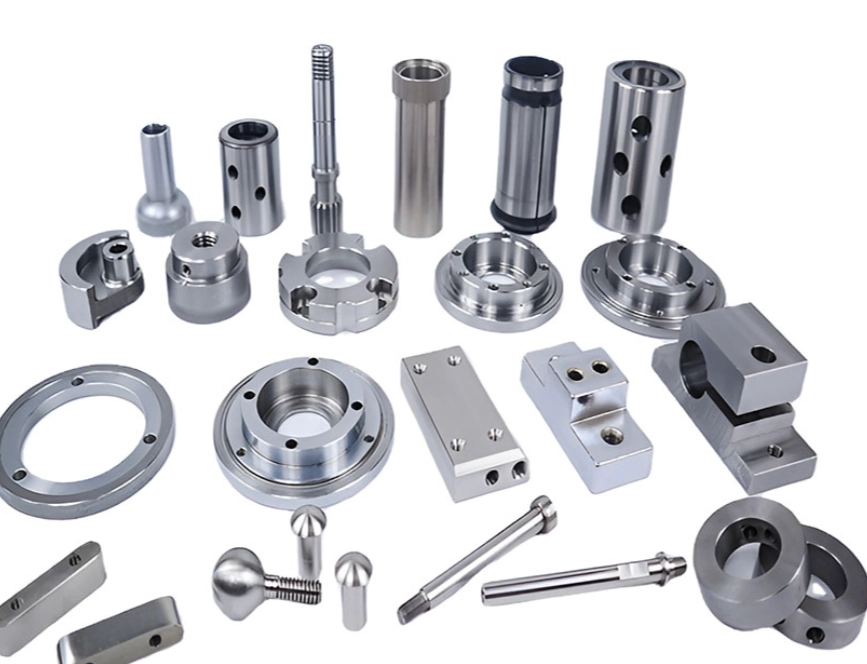
It might be tempting to use a local, general machine shop for your shafts, but for off-center parts, the “hidden” costs of cheap making are very high. When you pick a specialist, you get benefits that go way beyond just the part in the box.
Spend Less Money on Checking Parts
When your parts arrive at your door and they are already perfect, your team does not have to spend hours measuring them and sending bad ones back. A specialist gives you a part that is ready to be put right into your machine. This saves you a huge amount of time and stress.
Design Help Before You Start
A common problem in shaft design is asking for things to be “too perfect” in areas where it does not matter. This makes the price go up for no reason. A professional partner will look at your plans and suggest small changes—like fixing a corner or an edge—to make the part easier to build. This saves you money but keeps the part working perfectly.
Consistency You Can Count On
It is pretty easy to make one perfect part by hand. It is very, very hard to make one thousand of them. Using synchronized 5-axis tools means the very first shaft is a twin of the last one. For people who build gearboxes or machine tools, this “sameness” is what builds a good name for your brand.
Why Technical Skill Beats Just Having Big Machines
In the world of industrial equipment parts, “good enough” is a very dangerous way to think. Making an eccentric design requires a deep understanding of how metal acts, how physics works, and how computer software moves the cutting tools.
Keeping the Metal Cool
When a machine is grinding a perfect shaft, heat is your biggest enemy. Heat makes metal grow. This means a part that looks perfect while it is hot might be the wrong size once it cools down. High-end shops use special cooling systems that keep the metal at the same temperature the whole time. This is the only way to stay within a tiny “micron” of the goal.
Balance Tests for Fast Spinning
Even if a shaft looks perfect, it might be “heavy” on one side because of the off-center design. High-end makers do something called “dynamic balancing.” This makes sure that when your shaft spins at 3,000 or 5,000 times a minute, it does not shake your machine apart. This is the difference between just a piece of metal and a real professional solution.
Take Action: Secure the Future of Your Machinery
Being exact is not just a “nice thing to have.” It is a must-have if you want to stay in business today. If your current parts are causing shaking, alignment trouble, or if they take too long to arrive, it is time to set your goals higher.
Partner with Experts Today
Do not let a bad machine shop limit what your designs can do. Whether you are building a new type of gear reducer or keeping your factory machines running, the right shaft changes everything.
Are you ready to make your production better? The team at Ruizheng is ready to look at your CAD files and tell you the best way to build them. From making just one prototype to making thousands of parts, you will get components that follow the strictest rules of the industrial equipment world.
Contact Information:
- Website: https://spindleshaft.com/
- Inquiry: Send a message through their website today to get a special price and expert advice for your next eccentric shaft project.
FAQ
Q: Why is 5-axis CNC better than using a regular lathe for eccentric shafts?
A: A regular lathe usually needs a worker to move and re-center the part by hand many times. This almost always leads to small mistakes that add up. 5-axis CNC lets the machine move the tool and the part together in many directions at once. This means the whole shaft can be finished in one single grip, making the center lines much more accurate.
Q: How do you make sure the “off-center” distance is exactly what I asked for?
A: We use a special measuring machine called a CMM to check the distance between the main center and the off-center part. While we are building the parts, we use special “offset” tools that hold the metal at the exact math-based spot it needs to be. This takes away all the guessing that happens in cheaper shops.
Q: What kind of steel is best for these heavy-duty shafts?
A: For most industrial machines, we use very strong alloy steels like 4140 or 4340. These types of steel are tough enough to handle the twisting force (torque) in gear machines, but they also get very smooth when we grind them. We usually avoid titanium for these parts because it costs too much and isn’t necessary for these types of industrial equipment parts.