
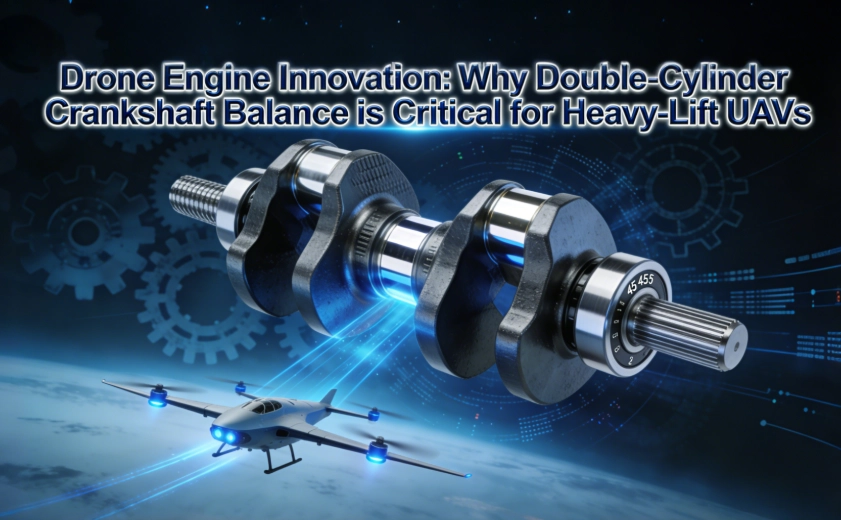
I. Meet Ruizheng: Your Partner in Precision Powertrain Excellence
When your task relies on a heavy-lift Unmanned Aerial Vehicle (UAV) working without any problems—whether it carries important goods, does key checks, or functions in tough conditions—you understand that the real core of its strength comes from its engine. We have all read the reports about task breakdowns or part wear, and frequently, the main reason goes back to a basic problem: powertrain imbalance and vibration.
This is where the skills of a focused production partner prove very useful.
Picture the Ruizheng group as the steady experts working out of sight, making sure your UAV engines do not just operate, but operate with exact care. For many years, we have committed ourselves to the skill of high-accuracy part creation. We concentrate on the trickiest turning pieces—the exact items that decide the power delivery, dependability, and working duration of your top drones. Our method is not about large-scale making; it is about fixing the special mechanical challenges shown by high-power-packed UAV engines. If you are building a fresh powertrain and need pieces that can match strict measures, or if you are facing repeated vibration troubles, you will discover a custom answer in our focused skills. We take pride in the careful step oversight and material knowledge use that changes a plan into a task-vital piece. We do not just shape parts; we build trust into every turn.
II. The Core Challenge of Heavy-Lift UAV Propulsion
Heavy-lift and long-lasting UAVs are devices made on a base of major trade-offs. You want the most power in the tiniest, lightest setup possible. This search for high power density at fast turning speeds naturally makes these engines open to harmful shaking.
The Unseen Enemy: The Detrimental Effects of Imbalance
In a double-cylinder engine, the steady back-and-forth movement of the pistons must be exactly matched by the turning weight of the crankshaft. When this match breaks, the results for a UAV come fast and harsh:
- Compromised Flight Dynamics: Too much shaking messes up the data going into inertial measurement units (IMUs), gyroscopes, and accelerometers. This right away causes wrong flight handling, making the UAV tougher to keep steady, especially in turns or strong winds. Your flight controller cannot work at its best when its main data input is unclear.
- Rapid Component Deterioration: Fast shaking works as a nonstop strain on engine parts. Bearings, connecting rods, cylinder liners, and even the airframe face quicker wear. This greatly cuts the Time Before Overhaul (TBO) and raises the chance of a major failure while flying.
- Inefficient Power Transfer: Power used to make unwanted shaking is power not going into propeller push. This straight away lowers your fuel use, flight distance, and real payload amount.
Fixing these problems means aiming at the heart: making sure the main turning parts are made and balanced to almost flawless limits.
III. Double-Cylinder Engine Design: The Necessity of Precision Balance
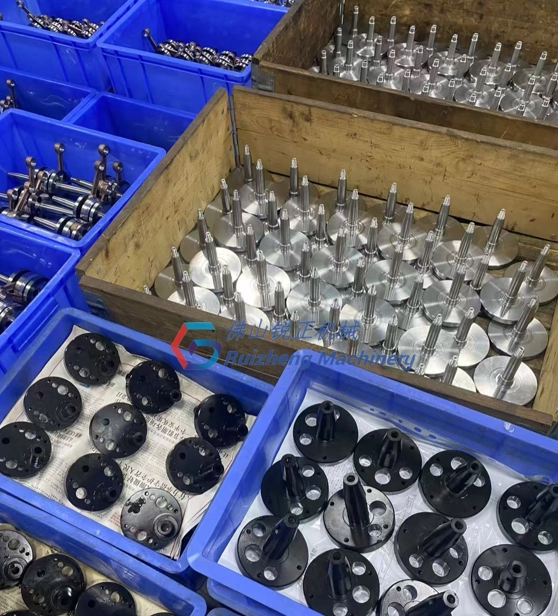
Many high-power UAVs make use of double-cylinder engines to get a good mix of power output and weight cost. While giving better natural main balance than a single-cylinder setup, twin-cylinder crankshafts bring a clear production hurdle: reaching exact command over both static and dynamic balance.
The Problem of Dynamic Balance in Twin-Cylinder Systems
The biggest issue in a double-cylinder engine is the rocking couple or dynamic imbalance. Even if the weight sits perfectly in the center (statically balanced), the pushes made by the pistons moving up and down at opposite sides of the crankshaft create a turning push that tries to tip the engine block. This push grows a lot as RPM goes up, leading to:
- Vibrational Noise: This noise takes over key sensors, harming the UAV’s path accuracy.
- Structural Stress: It causes ongoing, high-count strain on the engine mounts and airframe build, which can bring fatigue breakdown.
Tailored making is essential here. A crankshaft custom machining service lets you set the right shape, material (like high-strength steel alloys), and surface needed for your special engine plan. This step is key for:
Optimizing Balance Factors: Each engine has a certain ‘balance factor’ tied to the back-and-forth and turning weights. A tailored method makes sure the counterweights are figured and shaped with exact care to fully cancel these pushes at your goal working RPM range. In practice, this means we take time to measure every detail of your engine’s design. We use advanced tools to calculate the exact weight distribution needed. Then, we machine the parts accordingly. This process helps avoid any unwanted shakes during flight. It ensures smooth operation even under heavy loads.
Maintaining Geometric Integrity: Crankshafts need very tight limits on the main bearing journals and crank pins. Our special CNC grinding and ending steps reach the needed sub-micron level accuracy on roundness and surface quality, greatly cutting friction and boosting strength. We focus on every small detail here. Our machines can handle the finest adjustments. This leads to parts that fit perfectly without any gaps. As a result, your engine runs cooler and lasts longer in real use.
By putting money into high-accuracy, custom crankshaft machining, you are not just getting a piece; you are locking in the mechanical soundness and lasting work of your whole UAV. This choice pays off in fewer repairs and better overall performance. It gives you peace of mind knowing your drone can handle tough jobs without issues.
IV. Precision Machining Beyond the Crankshaft: Supporting Drive Components
While the crankshaft deals with the piston action, other turning parts in the powertrain, such as the propeller shaft or extra drive pieces, matter just as much to the full system steadiness.
The Role of Precision in High-Speed Spindles
In UAV uses, these shafts run at fast speeds and under big side and end loads. Their work ties right to the shape accuracy of their parts:
- Concentricity and Runout: Any shift in concentricity (how straight the turn axis lines up) or runout (how much the surface strays from a true circle while turning) will bring harmful shaking and extra strain on bearings and seals. We check these factors closely in our process. Even tiny errors can cause big problems later. By fixing them early, we prevent breakdowns and keep your UAV flying smoothly.
- Keyway and Spline Integrity: Shafts often pass torque through splines or keyways. Accuracy shaping makes sure a tight fit with no looseness, cutting wear and removing slack that could hurt motor handling reply.
By using the same strict rules of dynamic balancing and tiny-accuracy shaping used for crankshafts to all spindle shafts in your powertrain, you get full shaking control across the whole push system. This approach covers every part of the engine. It means no weak spots in the design. Your UAV benefits from steady power and less maintenance needs over time.
V. Achieving Mechanical Certainty: Your Next Step to Superior UAV Performance
You cannot let your advanced UAV setup get weakened by a plain mechanical piece that misses strict accuracy needs. Picking a production partner means more than finding a part; it is about cutting work risks and boosting task wins.
How to Engage Our Expertise
If your group faces any of these problems, it shows a call for our focused services:
Recurring Bearing Failures: Often a clear sign of unchecked dynamic imbalance. These failures can stop operations suddenly. They cost time and money to fix. Our balancing work stops this from happening.
- Excessive Vibrations at Specific RPMs: Shows an wrongly figured or done balance factor. Vibrations like this make flights unsafe. They also wear out parts faster than expected.
- Short Engine Service Life: Points to part wear sped up by mechanical strain. A shorter life means more replacements. It cuts down on how often you can use the UAV for jobs.
We welcome you to get in touch. By telling us your exact UAV engine plan needs, material choices, and goal work measures, we can give you a full tech talk. Our aim is to use our shaping skill to turn your plan details into pieces that bring top dependability in the work area. We start by listening to your challenges. Then, we suggest solutions based on real experience. This leads to parts that fit your needs perfectly and help your projects succeed every time.
FAQ
Q: What is the primary difference between static and dynamic balance, and why is dynamic balance crucial for my double-cylinder UAV engine?
A: Static balance means making sure the weight spreads evenly around the turn axis when the piece sits still. Dynamic balance is harder; it checks and fixes weight spread along the turn axis, removing the ‘wobble’ or ‘force couple’ that happens when the piece spins. For a double-cylinder crankshaft, dynamic balance matters because it removes the tipping pushes that make system-wide harmful shakes at high work RPMs, which static balancing cannot spot or fix. Without it, your engine could shake too much during flights. This might lead to errors in control or early wear on parts. We always test for both types to ensure full safety.
Q: We use specific high-strength steel alloys for weight savings in our UAV engines. Can your customization handle unique materials?
A: Yes, fully. Custom shaping covers the pick and strict handling of materials. Our skill reaches many high-strength alloys fit for high-power, light-weight uses. We manage the special heat steps and accuracy grinding needed for these materials to keep best strength, hardness, and size steadiness while hitting the required last surface quality and limit. We know how these alloys behave under stress. Our process makes them stronger for your drone needs. This way, you get parts that are both light and tough.
Q: What precision tolerance can you typically achieve on a crankshaft journal, and why is this level of precision important for a UAV?
A: We often reach limits on key parts like journals down to the sub-micron level (e.g., $0.001\text{ mm}$ or less) for roundness and runout. This top accuracy is vital because any shape shift, even small, turns right into friction, heat making, and shaking at fast turn speeds. For a UAV, this accuracy makes sure the long-term soundness of its bearings and stops the mechanical noise that harms the touchy flight handling systems. In short, it keeps your drone stable and reliable. Without it, small issues could grow into big failures mid-flight. Our work focuses on these details to give you the best results.

