
In the demanding world of industrial fluid control, a tiny measurement—often smaller than a human hair—is the only thing that separates a smooth operation from a total system breakdown. Whether you are in charge of tricky hydraulic circuits or cooling systems for heavy tools, the core of your success depends on how well the valve core and the valve body work together. When these parts do not match the exact plans, the trouble spreads through your whole factory, causing messy leaks, drops in power, and parts that wear out way too fast.
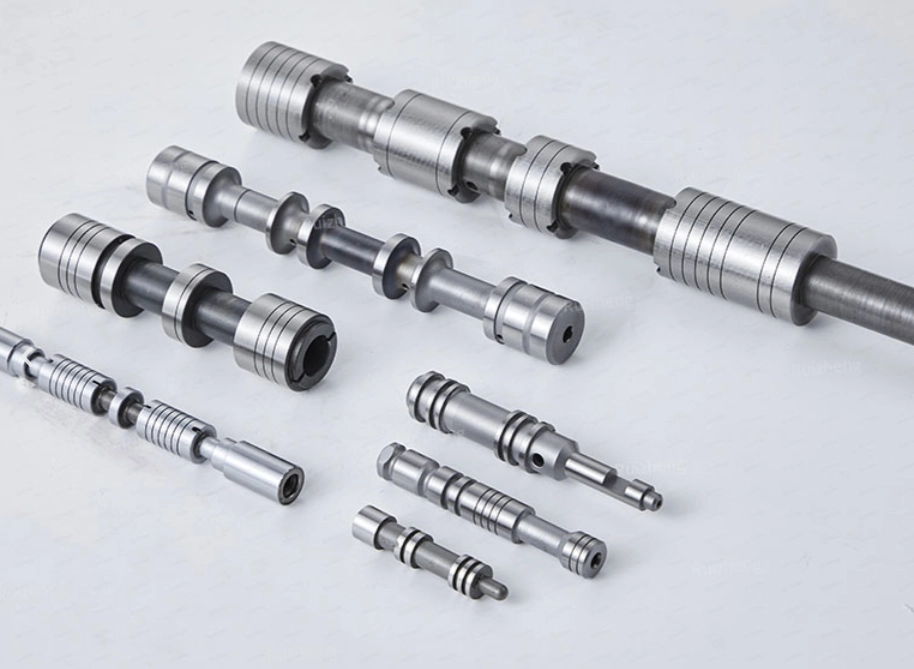
The Hidden Secret of Fluid Control Success
When you buy parts for industrial machines, you are not just shopping for pieces of metal. You are actually buying the peace of mind that your fluid systems will run exactly how you want them to. The way a valve core fits into its body is one of the most difficult jobs in modern building.
Why Exact Measurements Save You Money
In the world of fluid control, “clearance” is the name for the tiny gap between the part that moves (the core) and the part that stays still (the body). If this gap is too big, you get leaks inside the machine that mess up your pressure. If it is too tight, the metal can grow slightly when it gets hot, causing the valve to get stuck and stopping your work right away.
No-Leak Performance
Getting a perfect seal needs a super-exact match that keeps fluid from escaping even when the pressure is very high.
Quick and Correct Action
A perfect fit means the valve moves exactly when you tell it to without getting stuck, which is very important for robot-controlled machines.
Parts That Last Longer
When the gap is just right, the oil or fluid stays where it should, reducing rubbing and stopping the valve from breaking down too early.
Being exact is not just a “nice to have” feature—it is the most important part of keeping systems like compressors, general machines, or machine tool parts running well.
Meet the Experts: Your Friendly Partner in High-Precision Making
Before we look closer at the tech side of how valves work, it is helpful to see who is actually making these important pieces. If you want a partner who looks at your drawings with the same care you used to draw them, you should check out the skills of Ruizheng Started in 2013, they grew from a tiny shop into a top-level maker that sets the bar for being exact in the market.
The team at Ruizheng does not just “make things.” They fix the big problems for buyers who are tired of getting parts that do not fit. With a factory that uses smart robot arms and a special room that stays at the same temperature all day, they make sure the very last part is just as perfect as the first one. For anyone dealing with the hard details of custom shafts or valve sets, their promise of 0.001 mm accuracy is a total lifesaver.
Solving the Hardest Parts of Making Valve Bodies and Cores
Making a valve core that slides perfectly into a valve body takes more than just a big machine. It takes a workplace where every little thing is watched closely.
Keeping Things Steady When the Temperature Changes
Metal parts can grow or shrink even if the temperature changes just a little bit. A part that is measured in a hot factory might be a different size when it arrives at your building. This is why the best makers use constant-temperature testing rooms to check every size before the product goes out. This ensures that when you get your box, the fit is still perfect, no matter how the weather was during shipping.
Strong Materials and Smooth Surfaces
The metal you choose tells the story of how your system will handle getting old. For big industrial jobs, the focus is always on being strong and standing up to the fluids inside.
- Strong Alloy and Stainless Steel: These metals are the best for the job because they stay strong even when the work is very hard.
- Special Heat Hardening: Using the right HRC (hardness) levels makes sure the valve core does not bend or lose its shape while working all day.
- Perfectly Smooth Finish: Besides the size, how smooth the metal feels decides how well the seals work and how much the parts rub together.
If your parts are breaking too soon right now, it is likely because the material or the smoothness was not quite right for your high-speed or heavy-duty needs.
Making Your System Better with Custom Engineering
Parts that you buy “off the shelf” often make you change your own designs to fit them. But when you get custom-made parts, you can make the fluid path better, use less space, and add special spots to hook up machine tool parts.
Made Just for Industrial Tools and Machine Parts
In the world of machine tools, valve parts often handle the oil or cooling fluid for fast-spinning parts called spindles. If this fails, you do not just have a leak; you might have a broken machine that costs a lot to fix.
- Machine Tool Parts: Custom valve bodies can be made to fit into the very small spaces found inside modern CNC machines.
- Core Parts for Factory Machines: Whether it is for a big press or a fast assembly line, custom cores allow the fluid to move in special ways that normal valves cannot handle.
- Trusted and Strong: By using your 2D or 3D drawings, a maker can create parts that work perfectly with robot arms and new humanoid robots.
For your special projects, picking Valve core and valve body Processing means the inside of the part is built exactly for your fluid type and speed. This stops problems like shaky fluid or bubbles that can eat away at the metal.
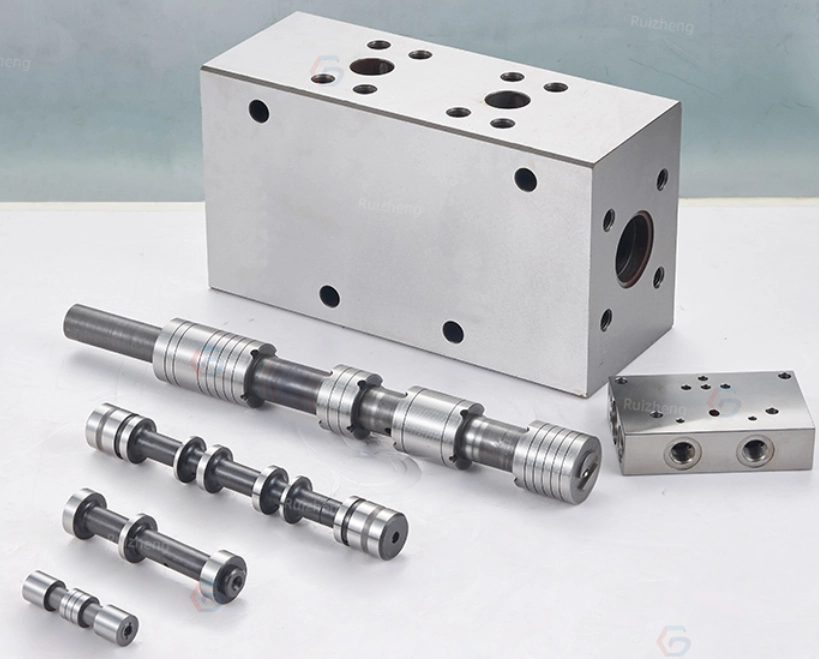
Service That Helps You Win
The high quality of a valve core is only half of the story. The other half is the help you get to make sure your parts arrive on time and without any trouble. A professional maker acts like a part of your own team.
From the First Try to a Full Order
Many big projects fail because the first sample is good, but the rest of the order is not. You should find a partner that helps with small batch testing. This lets you test the parts in your real machines before you spend money on a huge order.
Making Buying and Shipping Easy
Sending things around the world can be a headache. A good maker makes this easy by offering:
- Fast Answers: Getting a price back in 24 hours so you do not have to wait to start your work.
- Flexible Shipping: Many ways to send parts by plane, ship, or fast mail, including DDP services where the maker handles all the taxes and paperwork.
- All the Right Papers: Giving you material reports and size checks (like RoHS) to show your boss that the quality is high.
- Help After the Sale: Fixing assembly problems or answering tech questions over a video call to keep your factory running.
Protect Your Systems Today
The strength of your industrial machines depends on the parts you cannot even see. By choosing the best measurements for your valve cores and bodies, you stop your machines from breaking and keep them running cheaply for a long time. Whether you work with motors, general tools, or complex robot systems, the quality of your parts is what makes you better than the competition.
Pick a partner that thinks 0.001 mm is just a normal day at work. Your fluid systems need that level of care to stay at their best.
FAQ
Q: Can you make valve parts from my custom 3D models or special shapes?
A: Yes! The team is great at making non-standard parts using your own 2D or 3D drawings. This means you can have special fluid paths or valve shapes that you cannot find in a normal store.
Q: How long does it take to get these high-precision valve parts?
A: For most normal industrial parts, it takes about 20 to 30 days. If the parts are very complex and need extra testing, it usually takes between 40 and 60 days to make sure everything is perfect.
Q: How do I know the core and the body will actually fit when they arrive?
A: Every single part is checked three times: at the start, during the making, and right before it is put in a box. Also, all measuring happens in a room that stays at the same temperature to make sure the 0.001 mm accuracy is real.

