
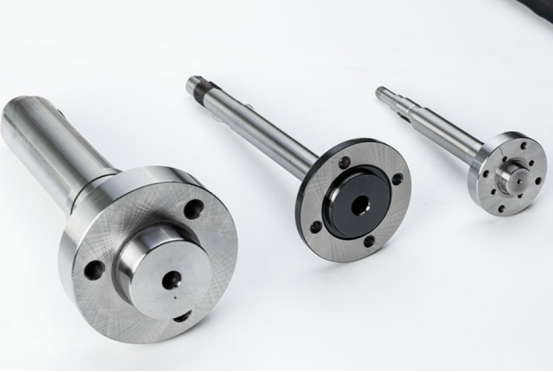
Is your current custom step shaft design quietly eating your profits before the first piece of metal is even cut? In the world of high-end making, the gap between a successful project and a money-losing one often sits in the small, hidden details of the early design phase. If you feel stuck with high prices for each part or too much trash left on the floor, you are likely missing out on Design for Manufacturing (DfM). This is simply the smart way of making sure your engineering ideas match up with how machines actually work.
True efficiency is not just about how fast a machine can spin; it is about how much of that pricey raw metal stays in your final product instead of ending up in the scrap bin. This guide will show you exactly how to fix your designs to cut costs, get your parts faster, and stay ahead of the competition in the busy industrial equipment market.
Why the Way You Design Sets Your Final Profit
Every single shoulder, small groove, and change in size on a step shaft is a choice that hits your wallet. Old-school design usually looks only at “does it work”—making sure the shaft can hold a heavy load or fit inside a specific hole. However, if you forget to think about how easy it is to actually cut that shape, you end up with huge price tags and a lot of wasted stuff.
When you work with a top-tier expert like Ruizheng, you get the help of people who have spent years mastering CNC cutting and complex machine work. As a top name in this business, they do much more than just follow a drawing; they act like a smart partner for your engineering team. By finding things that drive up costs early on—like asking for a precision that you don’t actually need—they help you sharpen your custom step shaft manufacturer plan. This ensures that every cent you spend actually makes the part better. Their workshop is built specifically for the tough needs of industrial equipment parts, focusing on being quick, accurate, and clean so they can protect your budget.
Strategic Design: How to Lower Your Unit Price Through Better Shapes
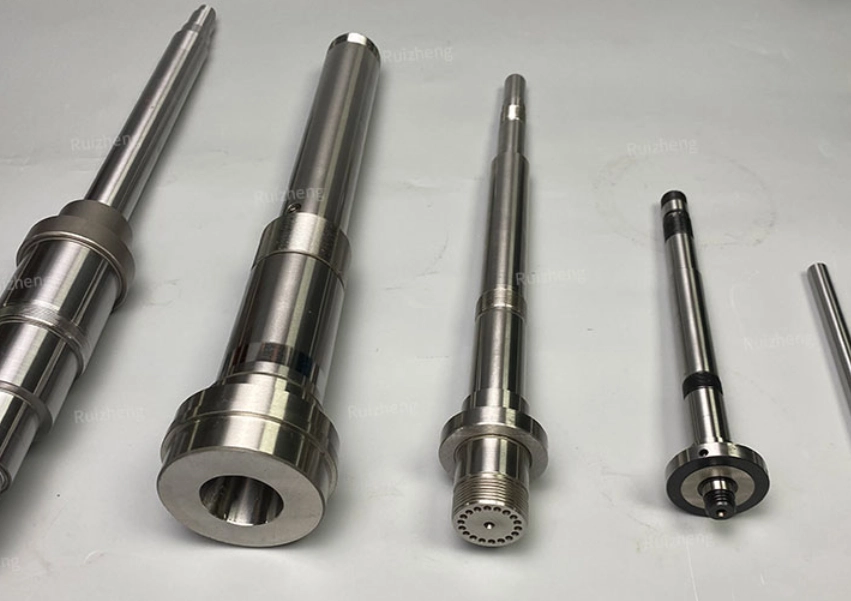
Cutting down your costs does not mean you have to settle for low quality. It just means being a bit more clever about how the shape of your part meets the sharp tools of the machine. By following these simple but powerful rules, you can drop the cutting time and the amount of metal you have to buy for your parts.
1. Fix Your Diameter Ratios to Stop Wasting Metal
The most common way people waste money is by having a giant difference between the biggest part and the smallest part of the same shaft.
- The Money Trap: If your design needs a 50mm wide end on a shaft that is mostly 20mm wide, the machine has to shave away 60% of the metal bar you paid for. You are literally paying for a pile of metal dust.
- The Smart Fix: Whenever you can, try to keep the “jump” between steps small. If you really need a big shoulder to stop a gear from moving, think about using a separate ring or a small bolt-on piece instead of carving the whole thing out of one giant, expensive bar of steel.
2. Make Your Corners and Edges the Same
Every time a big CNC machine has to stop what it is doing and swap to a different tool just to make one tiny unique corner, your price goes up.
- Working Faster: Use the same curve size (radius) for all the inside corners on your design. This lets the shop use one single tool to finish the whole outer shape without stopping.
- Stronger Parts: Try to stay away from sharp 90-degree inside corners. Not only are they tough and pricey to make—often needing the machine to slow down or use weird, expensive tools—but they also make the part weak. These sharp spots are where cracks start when your industrial machine parts are working hard.
3. Be Realistic About Tight Fits
Are you asking for a super-tight “plus or minus 0.005mm” on a part of the shaft that just sits in the open air and doesn’t touch anything?
- The Cost of Perfection: Very tight limits need slow work, constant checking with expensive tools, and a lot of extra care. This makes the “per-part” cost skyrocket.
- Smart Choices: Only use those super-tight numbers where it really matters—like where a bearing sits or where a motor connects. For all the other “in-between” spots, use standard numbers. This lets the machine run at full speed and saves you a ton of cash.
Material Selection: Finding the Sweet Spot Between Strength and Speed
What you make your shaft out of is the biggest single factor in how much you will pay. While you need the part to be strong for industrial equipment, how “friendly” that metal is to the cutting tool decides how long the machine is tied up.
Picking the Best Steel for Industrial Tasks
For things like drive shafts, pump parts, or long rods, you usually choose between basic carbon steels and stainless steels.
- Carbon Steels (like 1045 or 4140): These are great because they are very strong and can be made even harder with heat. They are easy to cut, which keeps the price for labor very low.
- Stainless Steels (like 303, 304, or 316): While type 303 is “free-cutting” and good for making a lot of parts fast, type 316 is great at fighting rust but is much tougher on the machine tools.
- The Expert Advice: Don’t buy more than you need. If your machine isn’t going to be sitting in salt water or acid, picking a strong alloy steel instead of stainless can save you 20% to 40% on the cost of the raw metal alone.
Does the Shape of the Bar Matter?
Yes, it matters a lot. Always try to design your shaft so it can be made from a standard-sized bar you can buy off the shelf. If your design says a part should be 25.1mm wide, the shop has to buy a 30mm bar and waste time cutting it down. If you can change that to 24.9mm, they can use a 25mm bar that is already close to the right size, saving you a whole step in the factory.
Precision in Practice: Using Modern Machine Power
Once you have fixed your design, the way it is actually built needs to be very lean. This is where having the right machines makes all the difference in the world.
The Benefit of “All-in-One” CNC Machines
Modern machines can do a lot of things at once. They can cut the steps, add threads, and carve out slots for keys in one single go.
- Less Human Error: Every time a person has to pick up a part and move it to a different machine to finish a slot or a hole, the price goes up and the chance of a mistake grows.
- Staying Centered: Making every part of the shaft in one single “grip” ensures that every circle is perfectly lined up with the next one. This is super important for parts like machine tool spindles that spin very fast.
Surface Smoothness and Extra Steps
One thing that often hurts the budget is “grinding.” Many engineers ask for a ground finish just because they think they have to. However, with today’s super-accurate CNC lathes, you can often get a very smooth surface (what pros call Ra 0.8) that is perfect for most seals and bearings. Skipping the extra grinding step can save you a significant amount of money and time.
Beyond the Machine: Support Services You Can Trust
Buying a custom step shaft is more than just a simple trade; it is a long-term relationship. To truly get your costs down, you need a maker who gives you more than just a box of parts.
Help With Your Drawings
A great shop gives your work a second look. Before they even start the machines, they should check your files for “hidden” costs. This might mean suggesting a tiny change to how a thread ends or how a corner is shaped. These small tweaks make the part way easier to build without changing how it works at all.
Quality Checking and Proof
In the world of industrial equipment, a “cheap” part that breaks is actually the most expensive mistake you can make. You should always look for a partner who provides:
- Metal Proof (MTRs): A paper trail showing the steel is exactly what you ordered.
- Measurement Reports: Proof that every single step on the shaft is the right size.
- Growing With You: The power to make one single prototype for a new machine tool accessory today, and then 1,000 more next month for your main product line.
Conclusion: Take Charge of Your Making Costs
Making your custom step shaft design better is all about finding a balance. You have to mix the shape of the part, the type of metal, and the logic of the factory. By wasting less metal, keeping your features simple, and being honest about how tight your limits need to be, you can drop your prices while keeping the high power your machines need.
Stop letting bad designs eat your profits. By using these smart ideas and picking a making partner who cares about being fast and accurate, you can turn your part orders into a major win for your company.
Get a Free Design Check Today
Are you ready to make your parts better and cheaper? Our team is great at taking complicated needs and turning them into simple, low-cost factory solutions. Get in touch today for a price or to talk about how we can help with your next big project.
Website: https://spindleshaft.com/
What We Do: High-precision CNC work, multi-axis cutting, and expert design help.
FAQ
Q: How does having fewer steps on my shaft change the price?
A: Every “step” or change in size needs a new set of instructions for the machine and sometimes a totally different cutting tool. If you have fewer steps, the machine doesn’t have to work as hard or stop as often. This makes the job go faster and drops the price for every part you order.
Q: Can I get a part that fits a bearing perfectly without paying for grinding?
A: Most of the time, yes! Modern CNC machines are incredibly accurate. They can usually hold a size within a tiny hair’s width and make the surface very smooth. Unless your bearing is for something extremely specialized, a high-quality turned part is usually just as good and much cheaper.
Q: What is the cheapest way to add a keyway slot to my step shaft?
A: The best and cheapest way is to use a “Mill-Turn” machine. This is a special lathe that has its own milling tools built-in. It can cut the slot while the shaft is still spinning in the first machine. This means the shop doesn’t have to move the part to a second machine, which saves a lot of time and money.

