
CNC machining shines brighter than manual methods in custom fabrication. It delivers sharper precision, with tolerances as tight as 0.001mm. It works faster and repeats complex designs perfectly. Manual machining fits simple, small-batch jobs. But CNC machining rules for tight tolerances, tricky shapes, and medium-to-large runs. Companies like Ruizheng use CNC automation, multi-axis tools, and strict quality checks to ensure steady results. This makes CNC the top pick for industrial parts. The upfront cost of CNC pays off in speed and scale. Manual methods, however, often lead to errors and rework. Choose CNC for accuracy and quickness. Pick a manual for basic prototypes.
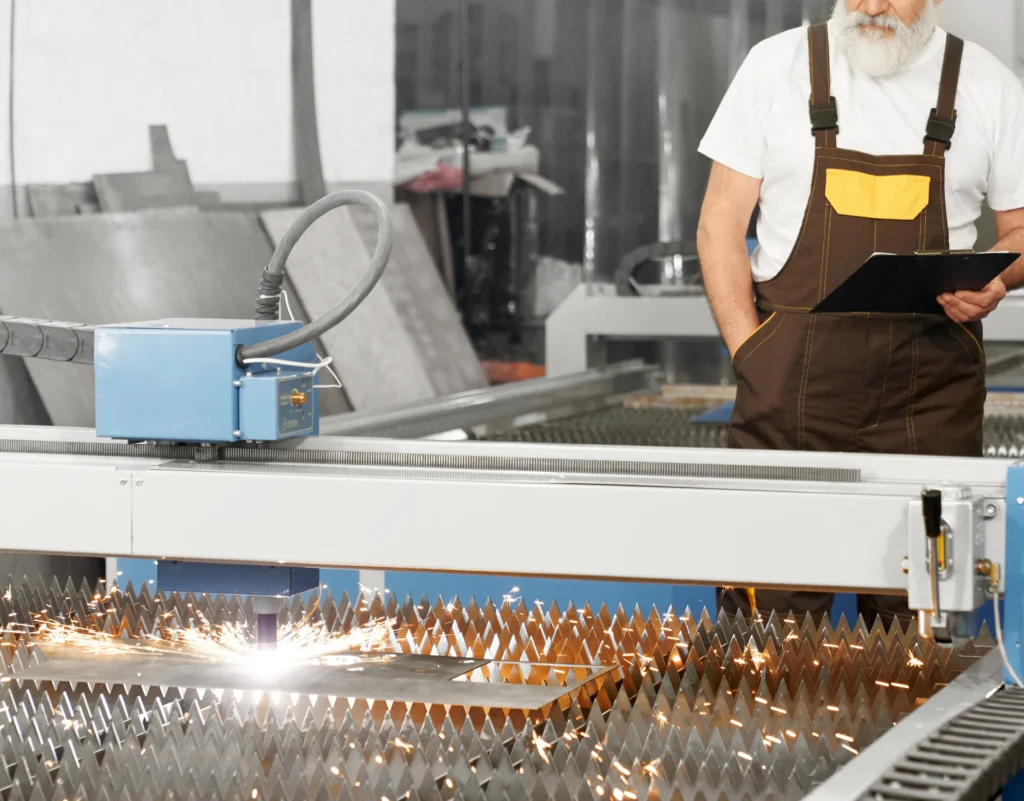
What Sets CNC Machining Apart from Manual Methods?
CNC Machining Compared to Traditional Manual Techniques
CNC machining, or Computer Numerical Control, uses software to guide tools and machines. The program controls every move. Unlike manual machining, which depends on a worker’s skill, CNC systems handle complex tasks with steady accuracy. This automation creates detailed shapes, reliable precision, and quick production.
Manual machining, on the other hand, involves hands-on tools like lathes or mills. Workers control each cut. It’s flexible for simple or one-off parts. But human control can cause slight differences in size or finish. Setting up manual machines takes time. Repeating parts in larger batches becomes inconsistent.
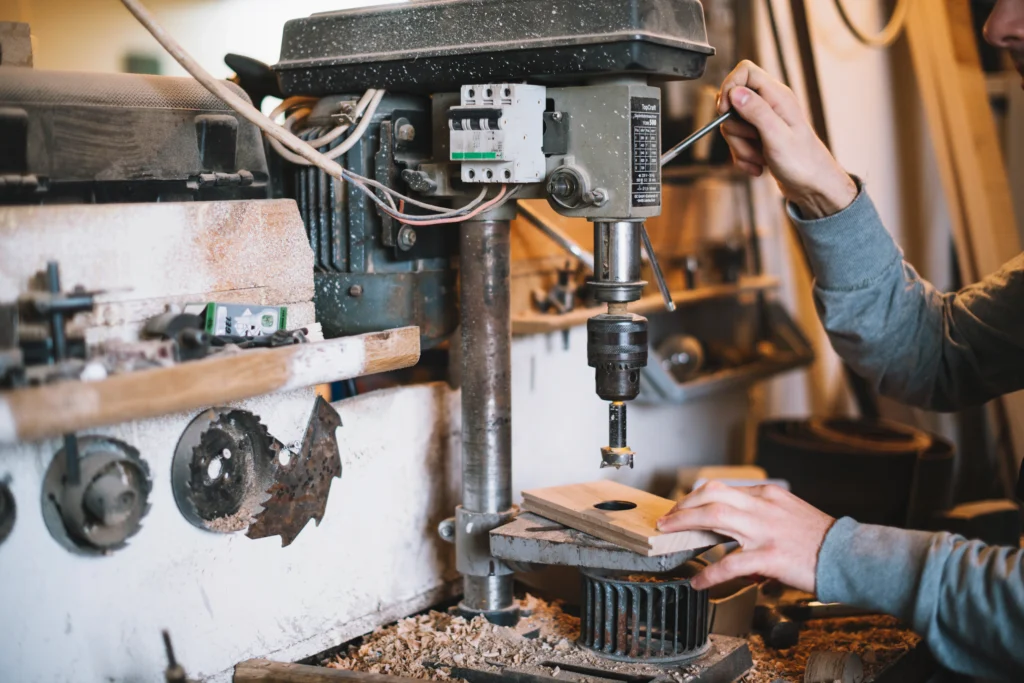
The core difference lies in how they work. CNC machining suits projects needing repeated precision or complex shapes. Manual methods struggle to match that without lots of time and effort.
CNC Offers Higher Precision in Custom Fabrication
What Tolerances Can Be Achieved with Each Process?
CNC machining achieves incredible precision. It can hit tolerances as fine as 0.001mm. This is nearly impossible for manual methods to match consistently. Manual machines, even with a skilled worker, usually manage ±0.05mm at best. The machine’s condition and the operator’s experience matter a lot.
The Factors Influencing Consistency in Dimensions
CNC machines follow digital instructions. They control feed rates, spindle speeds, and tool paths precisely. This removes human mistakes. Every part matches the original design exactly. Manual processes rely on the worker’s judgment and measurements. These can vary between parts or even during a single shift.
Where Can You Find High-Precision CNC Components?
For super-accurate parts like flanges or bearing seats used in industrial gear or robotic arms, Ruizheng is a great choice. Foshan Ruizheng Machinery Manufacturing Co., Ltd., started in 2013, focuses on high-precision shaft components and custom, non-standard parts. Their facility has a constant-temperature testing room. This ensures measurements stay accurate during production.
CNC is More Efficient Than Manual Machining for Production Speed
How Do Setup Time and Repeatability Affect Output?
Manual setups seem faster for one piece. They need no programming. But as batch sizes grow, manual work slows down. CNC machining takes time to set up with CAD/CAM programming. Once done, it runs multiple parts with the same precision. No extra tweaks are needed.
CNC excels at repeating tasks. A correct program ensures thousands of parts come out identical. This is key for consistent, large-scale production.
CNC Handles Large Batch Production Efficiently
CNC automation allows non-stop production. It can run overnight or use robotic loading for “lights-out” manufacturing. Ruizheng has grown into a modern, high-precision parts maker. They use lathes, milling machines, grinders, a constant-temperature testing room, and robotic systems for loading and unloading.
Who Offers Fast Turnaround on High-Mix Projects?
For projects needing speed and variety, like small-batch machine tool accessories, Ruizheng delivers. Their flange parts take 20–30 days for standard orders. High-end precision components need 40–60 days. They also support trial production before scaling up.
Complex Designs are Easier to Manufacture Using CNC Technology
How Does CNC Handle Intricate Geometries Better Than Manual Tools?
Multi-axis CNC machines, like 4-axis or 5-axis models, move in several directions at once. This is perfect for curved surfaces or undercuts in robotic parts or rotating platforms. Such shapes are tough to make manually. Manual methods need multiple setups and lots of rework.
Ruizheng specializes in custom non-standard shafts, flanges, bearing seats, and precision parts. These are used in four-axis/five-axis turntables or humanoid robots, where complex shapes are a must.
Why Is Manual Machining Limited for Such Designs?
Manual machining uses jigs and fixtures to position cuts. As parts get more complex, like those with compound angles, setups multiply. This increases labor costs and risks errors from repositioning.
The Cost Considerations Over Time Between Both Methods
Does Higher Initial Investment in CNC Pay Off Later?
CNC systems cost more upfront. Programming and tooling add to expenses. But over time, they save money. They cut labor hours and reduce defective parts. Manual methods seem cheaper at first. But as production grows, they cost more due to slow work and higher error rates.
More Cost-Effective for Prototyping vs Mass Production’s Method
For simple prototypes or small jobs, manual machining can be enough. Speed matters more than perfect repeats. But for larger runs or tight tolerances, CNC saves money. Its automation makes each part cheaper as quantities rise.
Ruizheng supports proofing and trial production. This helps you move from prototype testing to full-scale manufacturing smoothly.
How Easily Can Each Method Adapt to Design Changes?
Can You Modify Designs Quickly Using Digital Programming?
CNC machining adapts fast. If a design changes, like adding a hole or tweaking a size, you update the CAD file. New toolpaths are generated without touching the machine. This keeps things quick and accurate.
Why Is Manual Rework Less Flexible?
Manual changes are slower. Workers need new jigs or must reset machines. Each adjustment risks errors. This slows production and raises defect chances.
How Do You Ensure Quality Across Multiple Parts Consistently?
The Role of Automation in Quality Control During CNC Production
CNC machines use automated checks, like real-time probing. These verify dimensions during production, not just after. This cuts defect rates sharply. Ruizheng inspects parts at the start, during, and before shipping. Their ISO 9001 certification ensures parts meet global standards, like RoHS, if needed.
Why Is Maintaining Consistency Challenging Manually?
Manual checks use tools like micrometers or calipers. Different workers or changing conditions, like temperature, can affect results. This makes steady quality harder to achieve over time.
When Should You Use One Method Over the Other Based on Your Needs?
Are There Scenarios Where Manual Machining Still Makes Sense?
Yes. For very small runs or simple shapes, like basic bushings or spacers, manual machining works. Setting up a CNC program might take longer than making one part by hand. It’s also useful for prototyping when quick tweaks are needed without formal plans.
When Is CNC Clearly the Better Choice?
CNC machining wins when you need:
- Tight tolerances
- Complex, multi-step designs
- Medium-to-high volume runs
- Fast delivery
It delivers speed, precision, and consistency across every part.
Choosing the Right Process for Your Needs with Ruizheng Products
How Should You Match Your Project Requirements Against Capabilities Offered by Each Method?
Ask these questions:
- What precision do you need?
- How many parts are required?
- Are the shapes complex?
- What’s your deadline?
If you need “tight,” “complex,” or “fast,” CNC machining is best. Ruizheng offers solutions from small-batch custom shafts to large flange component series. They serve industrial equipment and automation, not aerospace or automotive, but machine tools and robotic systems.
FAQ
Q: Can I request a small batch trial before committing?
A: Yes. Ruizheng supports proofing and trial production stages.
Q: Do you provide heat treatment options?
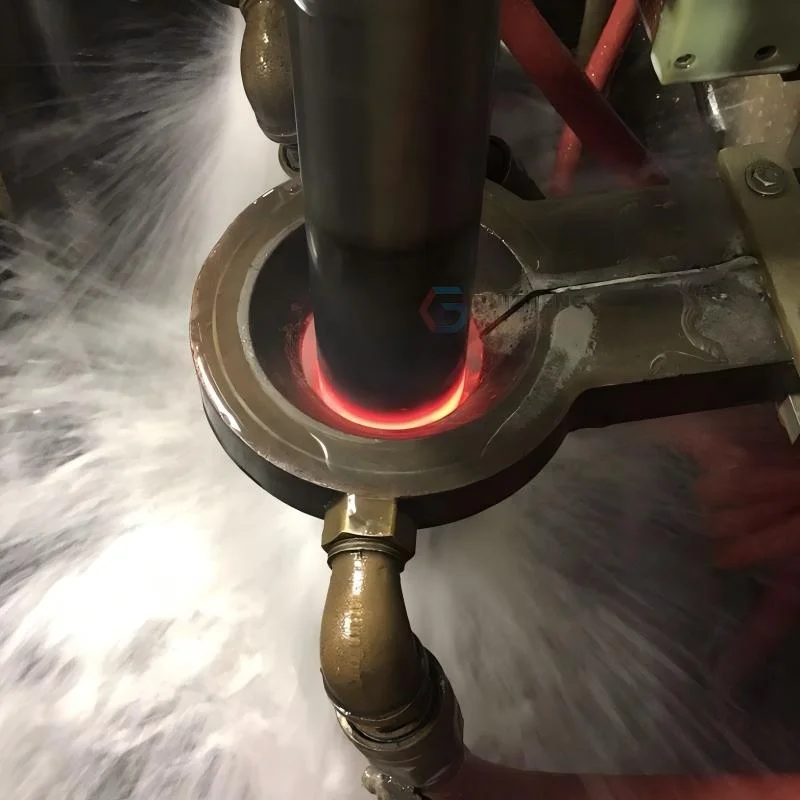
A: Yes. Ruizheng offers heat treatment based on material needs.
Q: Are certifications like RoHS available upon request?
A: Yes. Ruizheng products meet European/American standards. They provide material reports and RoHS if needed.

