
Picking the right material for drive shafts, like Ruizheng’s step shafts, is all about what your machine needs—strength, weight, or budget. Steel alloys like 4140 or 4340 are tough for heavy-duty gear, while aluminum’s great for light, rust-free automation parts. Composites? Super precise but pricey. Ruizheng’s CNC machining nails ±0.001mm precision, crafting custom shafts in materials like stainless steel or titanium for robotics or machine tools, keeping things reliable and spot-on.
Key Considerations in Selecting Drive Shaft Materials
Picking the Right Stuff for Drive Shafts
Choosing the best material for a step shaft isn’t just a guess. You gotta think about what your machine needs, where it’ll work, and how to balance performance with cost. This is super important for Ruizheng’s CNC precision shafts used in fancy industrial gear, where reliability and staying steady are must-haves.
What Drive Shafts Need to Handle
A step shaft has to deal with twisting forces, bending stress, and constant spinning over long hours. The material needs to be strong, tough against wear, and keep its shape. For example, if you’re making parts for machine tools or robot arms, the shaft has to stay perfectly aligned and handle repeated stress without bending. Ruizheng’s processing accuracy hits 0.001 mm, which keeps rotating systems lined up just right.
Environment and Work Conditions
Heat changes, nasty chemicals, or spotty lube can mess with how a material performs. In wet or harsh places, rust-proof materials like stainless steel or aluminum alloys beat out plain carbon steel.
Balancing Weight, Strength, and Price
Picking materials is a trade-off. Steel’s super strong but heavy. Aluminum’s light but might not handle heavy loads. Composites are strong and light but cost a ton. You decide based on whether you need better torque or faster spins.
Common Materials for Drive Shafts
The right material is the backbone of a solid step shaft. Let’s check out the top picks for industrial use.
Steel Alloys: Tough and Strong
Steel’s a go-to because it’s got great strength. Carbon steel is easy to shape and cheap for basic shafts. Alloy steels like 4140 or 4340 get tougher with heat treatment. Ruizheng uses alloy steel, stainless steel, titanium alloy, and supports heat treatment, perfect for step shafts handling big torque or impacts in machines.
Where Steel Shines in CNC Shafts
Carbon steel works for low-stress spots like bearing seats or flanges. Alloy steels are better for step shafts in fast-spinning machines where staying steady under load is key.
Aluminum Alloys: Light and Rust-Proof
Aluminum alloys are great when you need to cut weight without losing too much strength. They don’t rust, so they’re awesome for places with iffy lube or open air.
Best for Fast, Low-Torque Jobs
In automation gear like pick-and-place robot arms, aluminum step shafts keep things light. They move faster without losing sturdiness.
Composites: High-Tech Performance
Composites like carbon fiber aren’t common in regular gear because they’re pricey. But they’re crazy stiff for their weight and don’t expand much with heat.
Perks for Super-Precise Jobs
In fancy setups like measurement tools or chip-making systems, composites keep shakes low and stay steady even when temps change.
Ruizheng’s CNC Machining for Precision Shafts
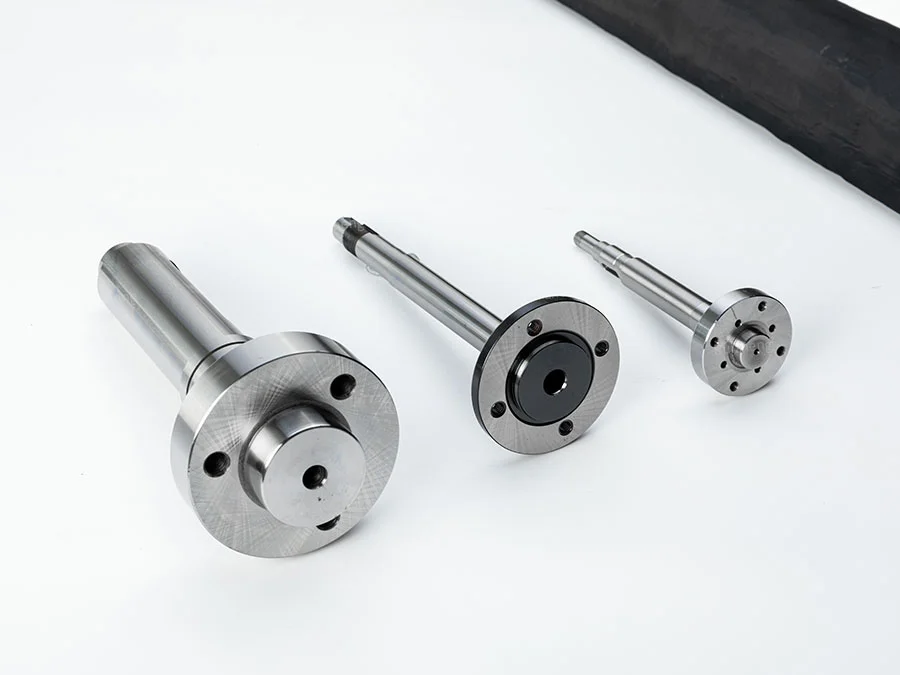
Need a pro partner for top-quality step shafts? Ruizheng’s got you covered. Starting as a small lathe shop in 2013, they’re now a big deal with high-tech lathes, milling machines, grinders, robotic systems, and a constant-temp testing room. They make custom non-standard step shafts, flanges, bearing seats, and other precision parts for machine tools and industrial robots.
How Ruizheng Does CNC
Precision’s their thing. They hit 0.001 mm accuracy, meeting IT6/IT7 standards. Every step shaft gets checked at the start, during, and before shipping to make sure it’s perfect.
Tolerances, Consistency, and Smooth Finishes
Ruizheng’s surface finishes cut down wear in spinning parts. Their step shafts fit right into your system without extra tweaks.
Mixing Material Know-How with CNC Tech
Their team looks at your needs and picks materials that work best while being easy to machine. Whether it’s tough alloy steel or rust-proof aluminum, Ruizheng matches material smarts with CNC skills.
Spotlight on Ruizheng’s Step Shaft Products
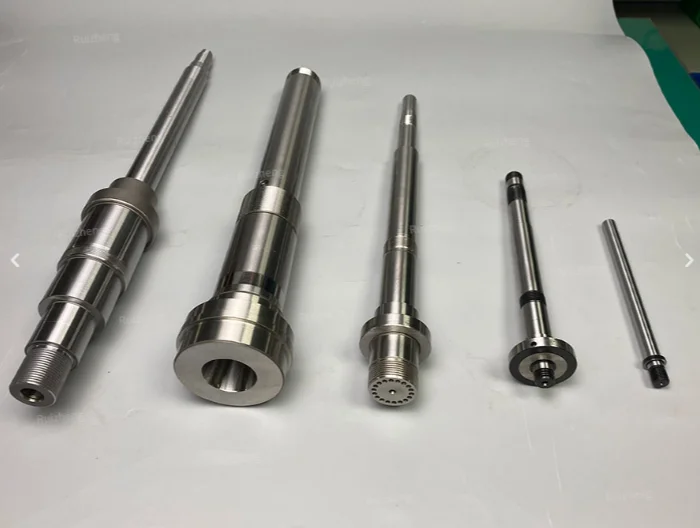
Ruizheng’s custom step shafts are a standout. They handle different diameters along the shaft while staying perfectly aligned—a tough job many suppliers can’t nail.
Why Step Shafts Rock in Spinning Systems
Step shafts spread loads better across bearings. They cut stress at joints, making parts last longer and work smoother during spins.
Better Load Spread and Stress Control
By shaping transitions between steps super carefully, Ruizheng cuts weak spots that could break under repeated stress, like in spindle drives or rotary tables.
Custom Options for Your Needs
Every system’s different. Ruizheng builds step shafts from your 2D/3D drawings. They specialize in customizing non-standard parts based on customer 2D/3D drawings.
Diameter Changes, Keyways, and Threads
Need stepped diameters for bearings or keyways for coupling? Ruizheng delivers custom step shafts with tight fits and threaded ends to match your setup.
Comparing How Materials Perform in Ruizheng’s Shafts
Choosing between steel, aluminum, or composites isn’t just about strength. It’s about how they hold up in real-world spinning conditions over time.
Toughness Under Repeated Stress
Alloy steels shine for constant twisting thanks to their heat-treated structure. Aluminum might wear out faster unless prepped right, which Ruizheng handles during production.
Heat Expansion and Staying Steady
Composites barely expand with heat but cost more. Aluminum stretches more than steel but fights rust better. Steels stay solid in typical factory temps.
Surface Hardness and Long Life
Treatments like nitriding or chrome plating make step shafts tougher against wear. This is huge when shafts rub against bushings or bearings all day.
Ruizheng’s Tips for Your Application
Ruizheng’s worked on tons of custom projects, from spindle setups to robot drives. They know one size doesn’t fit all for step shaft materials.
Heavy-Duty Machines: Best Materials and Shafts
For big machines or tools under constant torque, heat-treated alloy steels are tops. They’ve got high strength and last long. High precision, strong reliability, suitable for high speed and high load conditions.
Fast Automation Gear: Light and Precise
For speedy automation like robot arms, aluminum step shafts cut weight for quick moves without losing alignment. Widely used in machine tools, industrial robotic arms, humanoid robots.
Why Pick Ruizheng for CNC Precision Shafts
When deadlines are tight and quality can’t slip, you need a partner like Ruizheng who gets your design down to the micron.
Steady Quality for Tricky Shapes and Materials
All products get first-piece, full-process, and final checks before shipping. Ruizheng’s ISO 9001 setup ensures every batch is spot-on, even with complex step shafts or threads.
Help with Materials and Design
Ruizheng doesn’t just make parts—they team up with you. They suggest fits, tolerances, and material grades based on how long you need the part to last. Can you provide assembly tolerance recommendations? A: Yes.
Proven Custom Step Shaft Success
From global automation giants to local OEMs, Ruizheng’s delivered thousands of step shafts within ±0.001 mm tolerance. We have long-term services for automation and high-end equipment manufacturing companies.
FAQ
Q: How long’s delivery for custom CNC step shafts?
A: 20-30 days for regular parts, 40-60 days for high-end precision ones.
Q: Can I pick materials like titanium alloy or stainless steel?
A: Yup, the preferred materials are alloy steel, stainless steel, titanium alloy, based on your needs.
Q: Do you do small batch trials before big orders?
A: Totally, we support cooperation in the proofing and trial production stages.

