
Picking the right metal for CNC machining makes parts tough enough to handle wear, heat, and rust. Aluminum’s light, stainless steel fights corrosion, titanium’s super strong, and brass conducts electricity well. RUIZHENG crafts precision parts with crazy-tight 0.001mm tolerances for things like robots and industrial machines, using tricks like anodizing to boost durability. They match materials to your project’s needs and double-check everything to ensure parts last.
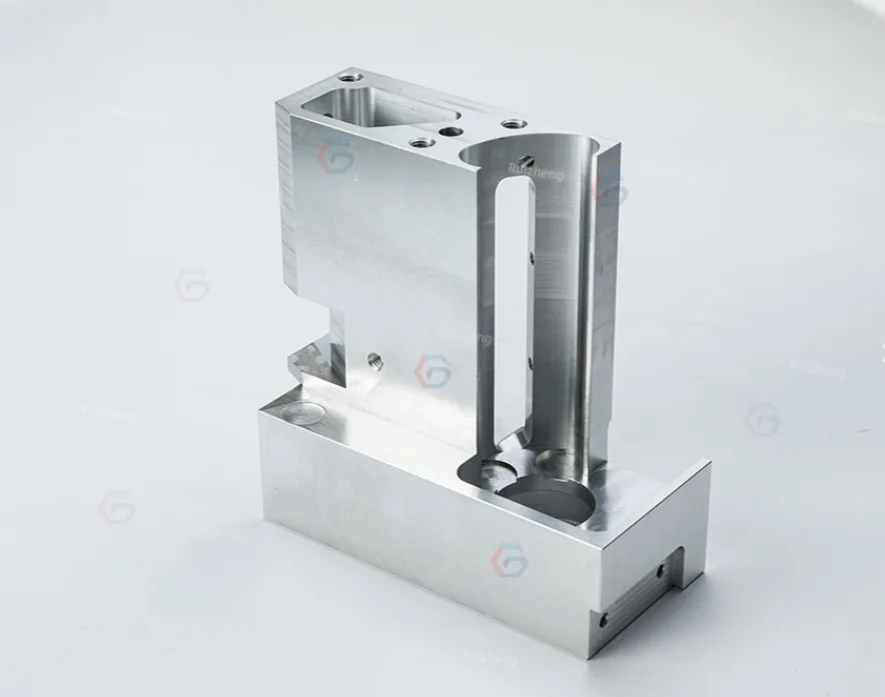
The Relationship Between Material Selection and Part Durability
Why Material Choice Matters in CNC Machining
In metal CNC machine work, picking the right material is a big deal. It’s not just about getting the shape right. It’s about making sure parts last under tough conditions. Whether you’re building robot joints or fast-spinning spindles, your material needs to handle stress, heat, and weather without breaking down.
Key Factors for Tough Parts
To make parts that last, you gotta think about how they’ll hold up. This means checking stuff like strength, hardness, heat flow, rust resistance, and how they handle repeated stress. If any of these are weak, your part might fail early. For example, shafts in robot arms need to deal with constant twisting and motion without bending out of shape.
RUIZHENG specializes in custom CNC machine parts like shafts, flanges, and bearing seats. These are used in high-end stuff like machine tools, industrial gear, robot arms, and even humanoid bots. They need super tight measurements and materials that stay strong over time.
How Strength Affects Long-Term Use
A metal’s strength decides how it handles pressure. Hardness helps it resist wear. Tensile strength shows how much force it can take before snapping. Elasticity lets it bend a bit without staying bent. For instance, heat-treated alloy steel gets extra hard and strong—perfect for spinning parts like spindles.
RUIZHENG uses alloy steel, stainless steel, titanium alloy, and supports heat treatment to make sure parts meet tough performance needs.
Fighting Wear, Fatigue, and Rust
Fatigue can wreck parts in systems that move a lot, like automation gear. If your part shakes or spins all the time, it needs to resist breaking down. Rust is another killer for parts in wet or chemical-heavy places.
High precision and strong reliability are key for high-speed, heavy-load jobs. Smart material picks make this happen.
Common Metals in CNC Machining
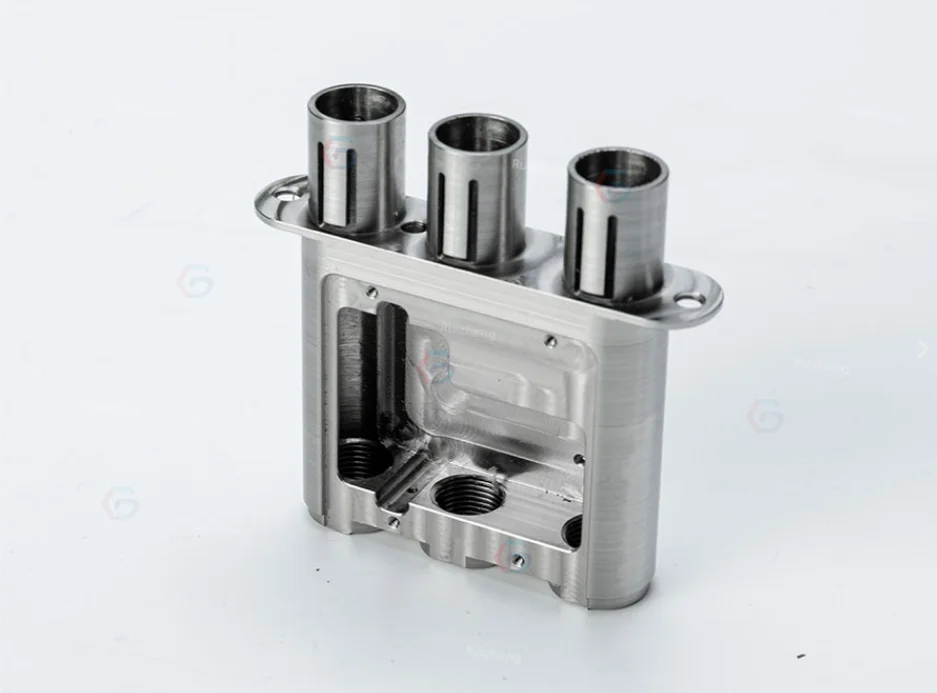
Choosing the right metal means matching its traits to what your project needs. Here’s a rundown of popular CNC machine metals and how they hold up.
Aluminum Alloys: Light but Decent
Aluminum alloys are easy to CNC machine and don’t rust easily, but they’re not as strong as steel or titanium. They’re great when you need light parts without losing too much toughness.
- Uses for Aluminum: You see aluminum in frames or casings where saving weight boosts performance—like drone bodies or robot shells. It’s also cheap to CNC machine, which saves cash.
Stainless Steel: Strong and Rust-Proof
Stainless steel is a champ when you need strength and rust resistance. It stays solid in heat or wet conditions.
- Why Use Stainless Steel with RUIZHENG: It’s perfect for stuff like marine gear or food-safe machines that face water or chemicals. RUIZHENG checks every part with first-piece, full-process, and final inspections to ensure stainless parts meet tough durability standards.
Titanium: Super Strong and Light
Titanium mixes light weight with crazy strength and fatigue resistance. It’s harder to CNC machine than aluminum but shines in high-stress spots.
- Titanium’s Best Uses: Opt for titanium when you need parts that combine impressive strength with low weight, perfect for demanding conditions. Its excellent resistance to wear and fatigue makes it a great choice for components like precision connectors or moving parts in robotics and industrial machinery, ensuring they hold up under repeated stress.
Brass and Copper: Conductive but Softer
Brass and copper aren’t super strong but conduct electricity well. They resist rust in dry spots, too.
- Where Brass Shines: Use brass for electrical connectors or fancy hardware where looks or conductivity matter more than heavy-duty strength.
Matching Metals to Your Project
Picking a metal isn’t just about its specs. You gotta line those specs up with what your project needs.
Checking Loads and Conditions
Are your parts moving or sitting still? Will they face salty water or gritty dust? These questions help you choose between tough alloy steel or rust-proof stainless steel.
For high-speed jobs, like spindles or actuators, keeping parts perfectly aligned and heat-treated is key. RUIZHENG nails this with their CNC machine expertise.
Balancing Cost, Ease, and Strength
Titanium’s awesome but pricey and slow to CNC machine. Aluminum’s quick to work with but might not handle heavy loads. You need to weigh how fast you need parts versus how long they’ll last.
Why Precision Matters
Tight measurements are everything when parts rub together under stress. RUIZHENG’s CNC machine accuracy hits 0.001 mm, so even tiny mistakes don’t mess things up. Picking a stable metal keeps those measurements solid over time.
RUIZHENG’s Way of Making Tough CNC Parts
Need a partner who gets materials and precision? RUIZHENG’s your go-to. Starting as a small lathe shop in 2013, RUIZHENG now serves global markets from Europe to Southeast Asia.
What RUIZHENG Offers
RUIZHENG (Foshan Ruizheng Machinery Manufacturing Co., Ltd.) rocks at making high-precision shafts and custom CNC machine parts. They handle aluminum, stainless steel, titanium alloys, and boost durability with heat treatments for industries like robotics and machine tools.
They’re cool with proofing and trial runs, so you can test materials before going all-in on big production.
Surface Tricks for Longer Life
Treatments like anodizing aluminum or nitriding steel make surfaces harder while keeping the core flexible. This is huge for parts that move and rub, like in robot assemblies.
Quality Checks for Reliability
Every part gets a first-piece check, full-process monitoring, and a final once-over in a constant-temperature room. This keeps measurements spot-on, even with heat changes.
Making Parts Perform Better
Choosing materials isn’t a solo job—it’s gotta fit your whole engineering plan from the start.
Handling Heat Stress
In hot spots like motors or spindles, metals like titanium with low heat expansion keep parts from warping, even during long runs. RUIZHENG works with companies like Guangzhou Haozhi for spindle parts that stay tough.
Rust-Proofing for Wet Places
For outdoor bots or coastal setups, stainless steel fights off rust from salty air, saving you from constant repairs. RUIZHENG’s parts meet European and American quality standards for these tough spots.
Precision Makes Parts Last
Even the best metal flops if the CNC machine work is sloppy. RUIZHENG uses fancy lathes, grinders, and robot loaders to keep every batch consistent and avoid wear from bad cuts.
What’s Next for Tough CNC Materials
As industries push for faster production and longer-lasting parts, new materials and tricks are key to staying ahead.
New Alloys for Better Durability
Future alloys will mix light weight with super tough surfaces. Think powder-based steels with even grains that resist tiny cracks better than older metals.
Cool Coatings and Finishing
Nano-coatings that cut friction and fight chemical damage are coming. These will shine in extreme spots like offshore rigs or super-clean tech rooms.
FAQ
Q: What metals work best for marine gear?
A: Stainless steel’s the way to go. It fights rust even in salty water.
Q: Can RUIZHENG help pick materials from my CAD drawings?
A: Yup. They customize non-standard parts based on your 2D/3D drawings and suggest fits for your project.
Q: Does RUIZHENG do trial runs before big production?
A: Totally. They support proofing and trial stages to test designs and materials before scaling up.

