
In the fast-moving world of top-tier factory manufacturing, the tiny gap between a machine that runs perfectly and a very expensive mistake is often measured in microns. When your equipment needs parts with very tricky shapes—like strange valve bodies, liquid-handling blocks, or smooth impellers—basic metal cutting often hits a wall. If you are tired of dealing with sizes that don’t match or throwing away too many parts because of old-fashioned 3-axis setups, it is time to look at your work from a fresh angle.
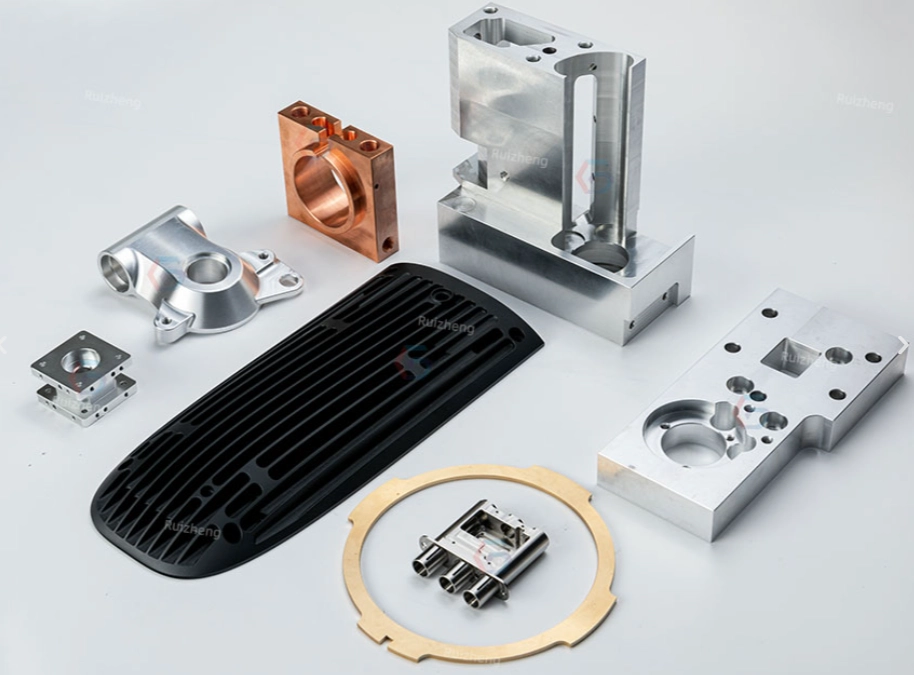
The Hidden Wall: Why 3-Axis Limits Are Hurting Your Wallet
You might ask yourself why a part that looks great on a computer screen turns into a total mess once it hits the shop floor. The simple truth is that old 3-axis cutting, even though everyone uses it, creates a “stack of mistakes” every single time a worker moves the metal.
The Problem With Moving Parts Too Much
When you try to make a complicated tool part on a 3-axis machine, the person running the machine has to manually flip or turn the piece to reach the different sides. Every time a human touches the part to move it, a tiny bit of error crawls in. While a tiny 0.02mm slip might not seem like a big deal once, if you do it five times, your final part will never hit that “micron-level” goal. This leads to parts that won’t fit together, gaskets that leak, and machines that shake and rattle.
Tool Wobble and Rough Surfaces
In a 3-axis setup, reaching into deep holes or hidden spots usually means using a very long, skinny cutting tool. These long tools tend to shake and bend while they work. This makes the surface look rough and ugly, which means someone has to spend hours polishing it by hand. Sadly, hand-polishing often ruins the exact size you were trying to keep in the first place.
Changing the Game: How 5-Axis Moving Erases Hard Problems
Moving up to 5-axis CNC machining is not just about having a machine that moves in more ways; it is about keeping a perfect, steady relationship between the sharp tool and the metal. For your high-value orders, this tech acts like a filter. it separates your business from the “average” shops that can’t handle the heat.
One Single Start, Perfect Alignment
By moving the machine in five different directions at the same time, the computer can reach every single corner of a tricky block or a machine tool accessory without ever letting go. For you, this means the hole on the top and the screw spot on the bottom are perfectly lined up by math. Since no one has to move the part by hand, there are no “accidental mistakes” added along the way.
Faster Cutting and Beautiful Finishes
Because the machine can tilt the part while it works, we can use shorter, tougher tools. These tools can cut much faster without shaking, making the metal look as smooth as a mirror right out of the machine. This is super important for industrial equipment parts that have to hold high-pressure oil or need a perfect seal. You save a ton of time on cleaning up the part, and your buyers get a piece that works like a dream.
Your Partner in Perfection: Meet Ruizheng
Before we talk more about the money you can save, you should know who is giving you this advice. At Ruizheng, we act like a part of your own team instead of just another shop selling parts. We have spent years learning every tiny detail of hard geometries, focusing specifically on the tight needs of machine tool accessories and industrial gear components.
Our shop is built for bosses who want more than just “close enough.” We use smart 5-axis tech to make sure every CNC Machining Service we offer stays true to the tough rules of modern business. We believe in being honest, giving you real human help, and fixing the “impossible” problems that keep your team stressed out. Whether you are making one test part or a whole line of high-profit goods, our skills help you win.
Winning Big: The Smart Rewards of 5-Axis Work
When you pick 5-axis cutting for your tricky industrial parts, you aren’t just paying for “time on a clock.” You are making your whole business run smoother and earn more.
Cutting Down Your Wait Time
In the world of making things, “waiting” is what kills your profit. Waiting for a new holder to be made, waiting for a part to be moved, and waiting for someone to sand off the rough edges all waste your days. 5-axis cutting smashes these steps together. What used to take five separate jobs now takes only one. This lets you finish big orders much faster and keep less stuff sitting on your shelves.
Designing Without Any Fear
How many times has your design guy made a part simpler because someone told him it was “too hard to make”? 5-axis power breaks those chains. You can design better paths for liquids, lighter inside shapes, and cool interlocking parts for your machines. This creates final products that work better, stay small, and are worth way more to the people who buy them from you.
Top-Tier Parts for the Heart of Your Machines
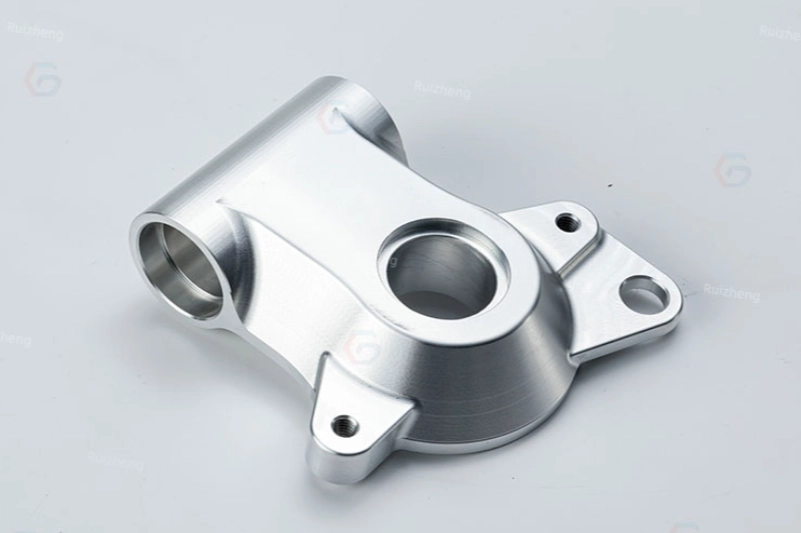
Heavy machines only work as well as the small parts inside them. If one spindle shaft or one important valve breaks, the whole factory stops. This is why the exactness of every single CNC Part we make is so vital to your success.
Machine Parts and Equipment Tools
For people in the machine tool world, 5-axis work is the best way to make tool holders, special bushings, and gear boxes. These parts have to be perfectly straight and square. By using 5-axis movement, we make sure every spot where a bearing sits is perfectly lined up with the middle of the part.
Working With Strong Materials
Even though we stay away from some weird metals, 5-axis machines are amazing at cutting regular tough stuff like stainless steel, hard tool steel, and high-grade aluminum. The ability to keep the tool at the best angle every second stops the metal from getting too hard and helps the tools last longer. This ensures that even your toughest steel parts come out with micron-level perfection every time.
Raise Your Quality and Protect Your Profits
The market for “easy” parts is a race to see who can be the cheapest. The real money is found in the parts that other shops find too scary to try. By using 5-axis CNC machining for your hard shapes, you move your company into a much higher level of the supply chain.
Using Quality as a Secret Weapon
When you can show your buyers a report that proves your parts are perfect down to the micron, you aren’t just a seller; you are a key partner. This high quality means your buyers spend less money putting things together and their machines last a lot longer. They will happily pay more for that kind of trust and safety.
The Way Forward
Being exact is a choice that starts when you first draw the part and buy the metal. By putting 5-axis work first, you stop the risks of human mistakes, get your parts faster, and show the world what your designs can really do.
If you are ready to see how tiny precision can change your next big job, you need to talk to people who know the struggle. Making great things isn’t just about having big machines; it is about the smart people who know how to run them perfectly.
Talk to us today to look at your drawings and see how we can make your hardest parts better and faster.
FAQ
Q: Is 5-axis machining always way more expensive for regular machine parts?
A: Even though the machine itself costs more per hour, the “total price of the finished part” is often lower when the shape is hard. Because 5-axis cutting gets rid of the need for five different setups, saves money on custom holders, and stops the need for hand-finishing, the final price is usually very fair compared to a slow 3-axis process.
Q: What is the main reason to use 5-axis for machine tool accessories?
A: For things like spindle housings or tool changers, everything has to be perfectly centered. 5-axis allows us to cut holes and surfaces on many sides of a part without ever moving it from the machine’s grip. This means every hole and screw thread is perfectly lined up with the center, which you just can’t get if a human has to move the part by hand.
Q: Can 5-axis cutting help make my equipment parts look better?
A: Yes, definitely. In 5-axis work, the cutting tool can stay at the perfect angle every second it touches the metal. This stops the “stepped” look and tool marks you see on 3-axis machines when they try to cut a curve. The result is a surface that is incredibly smooth, which is a must-have for parts that need to hold tight seals or spin at very high speeds.

