
Cutting thinner than a human hair—under 70 microns—requires top-notch spindle shaft cores and sleeves for precise CNC work. The shaft core keeps things steady at high speeds, fighting off vibrations and heat warping, while the sleeve locks in perfect alignment to stop any wobble. Together, they deliver smooth, spot-on cuts for parts that fit just right and last longer. Ruizheng’s custom spindle parts, with tolerances down to ±0.001mm, are built for tough CNC and industrial jobs, giving you tailored solutions for perfect results every time.
Precision Machining at the Sub-Hair Level
The Challenge of Super Thin Cuts
Slicing something thinner than a human hair—under 70 microns—is crazy tough. Even tiny slip-ups in part shape or heat expansion can mess up accuracy big time. If you’re working with CNC tools or industrial gear, hitting this level of precision needs top-notch machines. But it also needs spindle shaft parts that stay strong under heavy stress.
The spindle shaft is the core of it all. It spins fast without shaking or wobbling. That’s key for nailing super-tight tolerances down to nanometers. One small glitch can ruin your surface, fit, or tool life.
Why Tiny Precision Matters in Parts
In your work, super-precise cuts make sure parts fit perfectly. This cuts down friction and wear over time. It’s super important for things like tool holders, precision fixtures, or CNC add-ons. Sloppy tolerances cause misalignment, quick wear, and even total breakdowns.
The Spindle Shaft Core: Keeping Things Steady
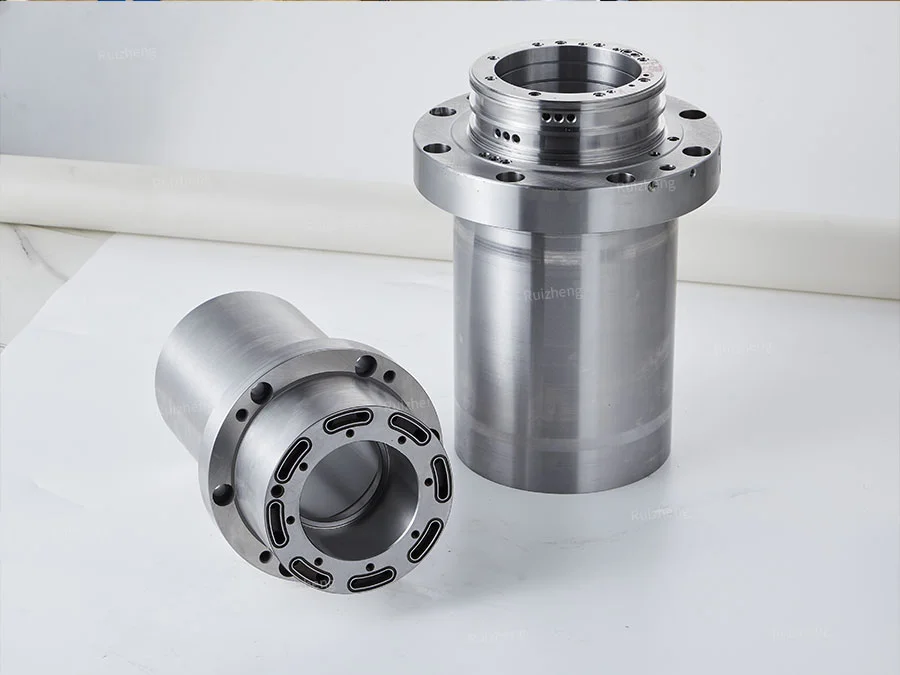
How the Spindle Shaft Core Handles Fast Spins
The spindle shaft core has to be rock-solid and balanced. A well-made shaft doesn’t bend when spinning super fast. It keeps the tool holder and workpiece lined up just right. This matters a ton for super-fine cuts where even a tiny wobble wrecks accuracy.
Stiffness and Smooth Surfaces
A stiff spindle shaft core gives you clean, smooth finishes. A bendy shaft causes chatter, leaving rough or uneven parts. You need a core with the right mix of strength and weight to keep the tool steady during tiny cuts.
Controlling Heat Warp
Heat’s a problem in long machining runs. It can make the spindle shaft stretch or twist. Smart designs use materials that don’t expand much with heat. Some even have cooling channels inside to keep things steady and accurate all day.
The Spindle Sleeve: Boosting Alignment and Calm
How Sleeve Design Helps Precision
The spindle sleeve keeps the shaft stable, like a guide. Its shape has to be perfect to hold tight tolerances. Any slip here causes wobble that gets worse at high speeds.
Cutting Wobble with Perfect Fit
The sleeve needs to fit just right—not too tight, not too loose. It has to stay put but allow a bit of heat expansion. Super-precise grinding and matched parts keep wobble (or runout) down to microns.
Picking Materials for Stability
Materials matter for sleeves. You want alloys or ceramics that stay steady under heat or wear. These keep the spindle shaft and sleeve lined up, no matter how tough the job.
How Shaft and Sleeve Work Together
Keeping Balance at High Speeds
The spindle shaft core and sleeve need to balance perfectly for smooth, fast spins. Any imbalance causes shakes that ruin cuts over time. Even weight across both parts keeps things steady.
Alignment and Tool Path Accuracy
If the spindle shaft and sleeve aren’t lined up, the tool veers off its path. That means parts come out wrong, even with perfect coding. Precision alignment keeps your cuts spot-on every time.
Ruizheng: Your Go-To for Super-Precise Spindle Parts
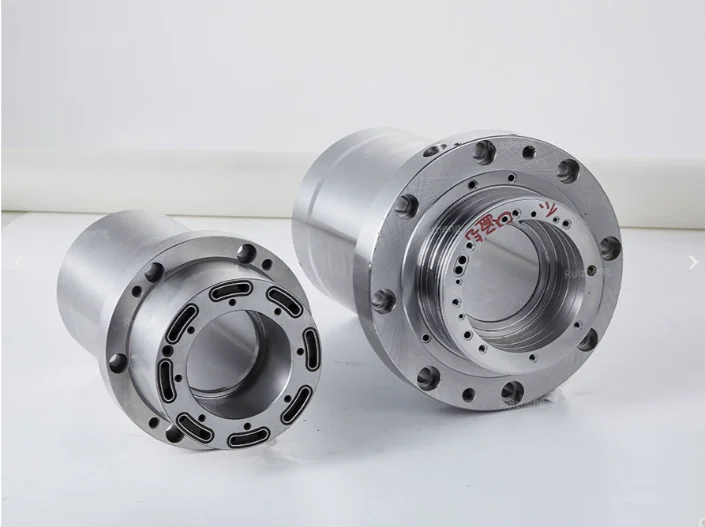
Need parts for micron-level cuts? Check out Ruizheng’s Precision Spindle Part Solutions. They make high-precision spindle shaft cores, sleeves, housings, nuts, flanges, and more for CNC and industrial gear—not cars or planes. They’re known for tolerances as tight as ±0.001mm.
What makes them stand out? They build custom parts from your drawings or samples, so you’re not stuck with standard stuff. Need taper grinding or full assemblies for upgrades? They deliver fast without skimping on quality. From one-off prototypes to big runs, Ruizheng’s team checks every part with tools like CMMs and roundness testers before shipping.
What Affects Sub-Hair Cutting
Surface Smoothness and Part Stability
Smooth surfaces aren’t just about the tool. Your spindle shaft setup has to stay steady. Tiny shakes from uneven parts show up as rough spots, especially when cutting super thin.
Lube, Heat, and Wear
Friction makes heat, which can mess up sizes fast at this scale. Lube in spindle designs cuts wear and keeps heat low. This helps parts last longer and stay accurate during long jobs.
Key Features for Tiny Cuts
Taper Shape and Clamping
Tool holders like HSK or BT need perfect taper shapes for even grip strength. A bad taper causes uneven pressure, which throws off cuts and ruins part shapes.
Precise Bearings
Bearings hold up the spindle shaft while letting it spin free. But they need super-precise machining to match the sleeve and shaft perfectly. Any misalignment sends shakes into the cut, causing chatter or drift.
Picking the Right Spindle Part
Checking Load, Speed, and Materials
When picking a spindle shaft part for CNC attachments or industrial drives, look at load limits (radial and axial), max RPMs without shaking, and lube compatibility. Figure out if you need high-speed (over 20k RPM), heavy-duty support for deep cuts, or heat resistance for long runs. Match those to parts from trusted makers like Ruizheng’s custom spindle part processing service, built for high-performance jobs like yours.
FAQ
Q: What causes wobble in a spindle setup?
A: Wobble comes from misalignment between the spindle shaft core and sleeve or uneven grip pressure. This makes the tool spin off-center, killing accuracy.
Q: How does heat mess with tiny machining?
A: Heat makes parts expand unevenly, throwing off alignment. This causes size drift, especially in cuts under 10 microns deep.
Q: How do I keep balance at high speeds?
A: Use matched parts with even weight, ground super precisely. Test with balance tools before running machines over 15k RPM.

